(图片仅供参考)
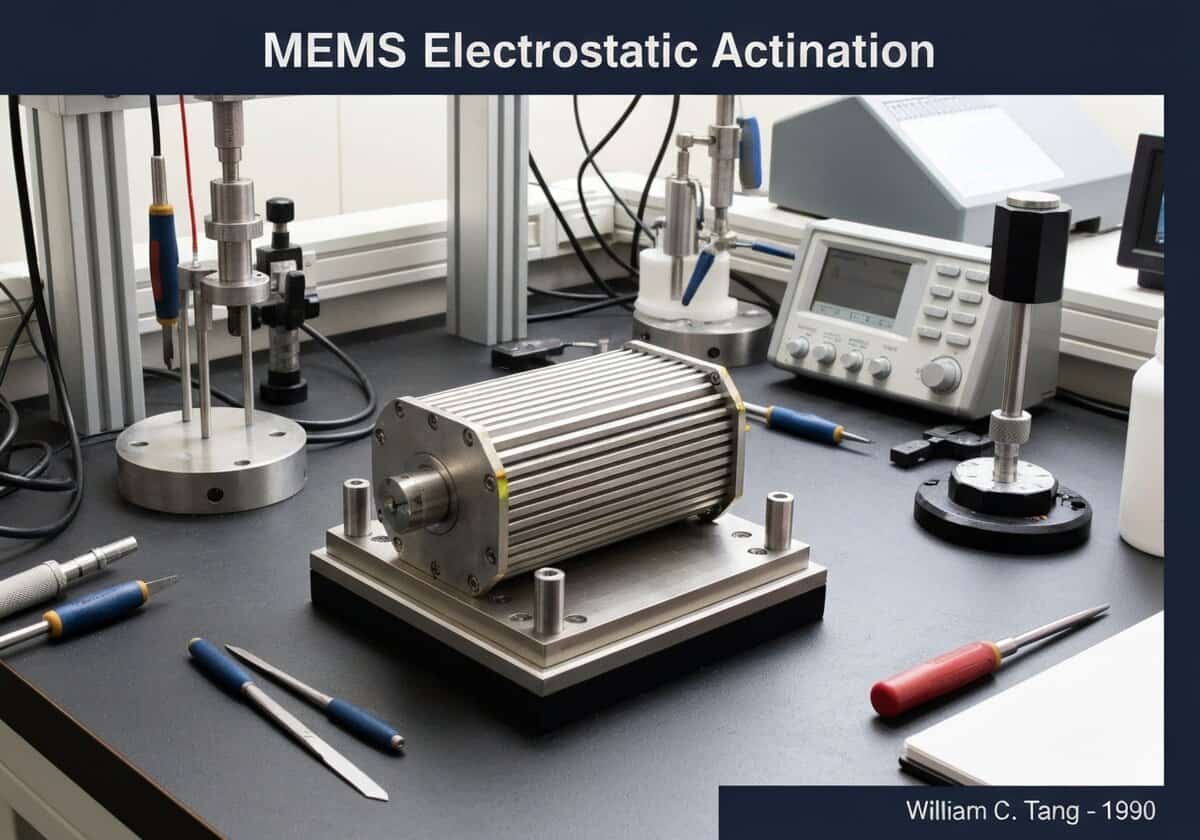
静电驱动是主要的 方法 用于诱导运动 微机电系统它利用施加电压时,由介质间隙隔开的两个电极之间的吸引力。该力与电压的平方和电容梯度成正比。常见的设计包括用于平面外运动的平行板电容器和用于大平面内位移的梳状驱动器。
静电驱动因其低功耗(理想情况下为零静态功耗)、高速以及与标准微加工工艺的兼容性,在微机电系统(MEMS)中备受青睐。平行板致动器中的基本力 F 由下式给出:F = frac{1}{2} frac{dC}{dx}V^2[/latex],其中 V 为电压,dC}{dx 为电容 C 相对于位移 x 的梯度。对于理想的平行板电容器,该方程可简化为 [latex]F approx frac{1}{2} frac{epsilon AV^2}{g^2}[/latex],其中 [latex]epsilon[/latex] 为介电常数,[latex]A[/latex] 为极板面积,[latex]g[/latex] 为间隙。该方程凸显了一个关键挑战:力与位移呈高度非线性关系。随着间隙的闭合,静电力迅速增大,而典型的机械恢复力(来自弹簧)则呈线性增长。在某个点(通常为初始间隙的三分之一),静电力会超过恢复力,导致活动极板不稳定地吸附到固定极板上。这种被称为“吸合”的现象限制了简单静电致动器的稳定行程范围。
为了克服这一局限性,人们发明了梳状驱动致动器。它由两个相互交错的导电梳状结构组成。施加电压后,指状结构两侧会形成静电场。这会产生一个横向力,使一个梳状结构相对于另一个梳状结构沿基板平行移动。其关键优势在于,随着梳状结构啮合,重叠的指状结构对数量增加,但它们之间的间隙保持不变。这使得电容随位移线性变化,从而产生一个基本与可移动梳状结构位置无关的力。这种稳定、长程的驱动方式是一项革命性的突破,它使得各种器件得以应用,特别是像陀螺仪和加速度计这样需要精确稳定力反馈的高性能谐振传感器。
由于机器人流量被拦截(目前每天超过 4 万),此内容仅限社区成员查看。> 登录 > 或者 > 注册 < (100% 免费)即可访问此内容,以及所有其他受限内容和工具。
Simulink:基于模型的设计
六西格玛质量标准(3.4 DPMO)
六西格玛是一种追求近乎完美的质量管理方法。以“六西格玛”水平运行的流程的良率为99.9997%,这意味着每百万次机会仅产生3.4个缺陷(DPMO)。该标准对应的流程是,最接近的规格限值与流程平均值相差六个标准差,这导致平均值随时间推移出现1.5个西格玛的偏移(有关有争议的1.5个西格玛偏移的具体细节,请参阅经验观察)。
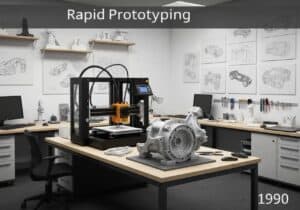
快速成型
快速成型技术是一组利用三维计算机辅助设计 (CAD) 数据快速制造实体零件或组件比例模型的技术。在迭代设计中,它能够快速创建实体模型,用于用户测试和利益相关者的反馈,从而能够在投入昂贵的工具和制造流程之前快速完善设计。
MEMS静电驱动
NIOSH提升方程
NIOSH 起重方程是职业健康与安全专业人员用来评估与手动起重任务相关的肌肉骨骼损伤风险的工具。该方程会计算特定任务的推荐重量限制 (RWL),即健康工人在不增加腰背部损伤风险的情况下能够举起的最大重量,同时会考虑任务几何形状和频率等因素。
汉诺威原则
由威廉·麦克多诺和迈克尔·布朗加特共同提出的九项可持续设计基本原则。这些原则倡导人类与自然共存的权利,承认相互依存,尊重精神与物质的关系,承担设计后果的责任,创造具有长期价值的安全物品,消除浪费,依赖自然能源流动,并理解设计的局限性。
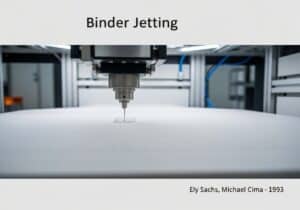
粘合剂喷射
粘合剂喷射是一种增材制造工艺,利用喷墨式打印头将液体粘合剂选择性地沉积到粉末床上。打印头在一层粉末上移动,沉积粘合剂液滴,将颗粒粘合在一起。然后,构建平台下降,铺开一层新的粉末,并逐层重复该过程。
可拆卸设计(DfD)
可拆卸设计 (DfD) 是一种设计策略,旨在实现产品报废后轻松且经济高效地分离其组件和材料。DfD 优先考虑非破坏性分离,从而促进维修、再利用、再制造和高纯度回收。其关键技术包括使用机械紧固件而非粘合剂、模块化结构以及清晰的材料标签,以最大限度地提高价值回收。
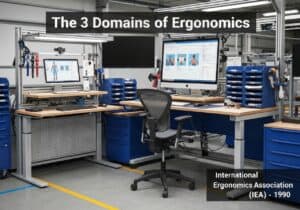
人体工程学的三大领域
国际人体工程学协会将该学科分为三个主要专业领域:物理人体工程学侧重于与身体活动相关的人体解剖学、人体测量学、生理学和生物力学特征;认知人体工程学关注感知、记忆和推理等心理过程;最后,组织人体工程学致力于优化社会技术系统,包括组织结构、政策和流程。
1.5 西格玛转变
1.5 西格玛偏移是六西格玛计算中用于解释过程长期动态变化的一种经验校正。它假设随着时间的推移,过程平均值会偏离其短期中心位置约 1.5 个标准差。这种偏移正是 6 西格玛过程对应于 3.4 DPMO(缺陷率),而不是理论上的每十亿件 2 个缺陷的原因。
产品生命周期管理 (PLM)
小型卫星:基于质量的分类
根据包括燃料在内的湿质量对人造卫星进行的标准化分类。主要分为微型卫星(100-500 千克)、微型卫星(10-100 千克)、纳卫星(1-10 千克)、皮卫星(0.1-1 千克)和飞卫星(<100 克)。这种分类为工程师、制造商和发射提供商界定飞行任务规模、技术要求和成本估算提供了一种通用语言。.
环境设计(DfE)
环境设计 (DfE),也称为生态设计,是一种积极主动的产品和工艺开发方法,旨在最大限度地减少整个产品生命周期对环境和人类健康的影响。它将环境因素与成本和性能等传统因素一起融入到最初的设计阶段,以从一开始就防止污染并节约资源。
欧洲防火等级(EN 2)
欧洲标准 EN 2《火灾分类》统一了各成员国的火灾等级。该标准定义了五类火灾:A(固体)、B(液体)、C(气体)、D(金属)和 F(食用油)。与美国火灾体系的一个主要区别在于,C 类火灾专门针对易燃气体,而电气火灾没有专门的等级;而是根据燃烧物质进行分类。
CE标志
(如果日期未知或不相关,例如“流体力学”,则提供其显著出现的近似估计)
只有注册会员才能免费获得 100% 的全尺寸图片和下载。.
> 登录 <