Product Design, Manufacturing & Innovation Resources
بيت » التحكم الهرموني في انتقال الصبغة

التحكم الهرموني في انتقال الصبغة

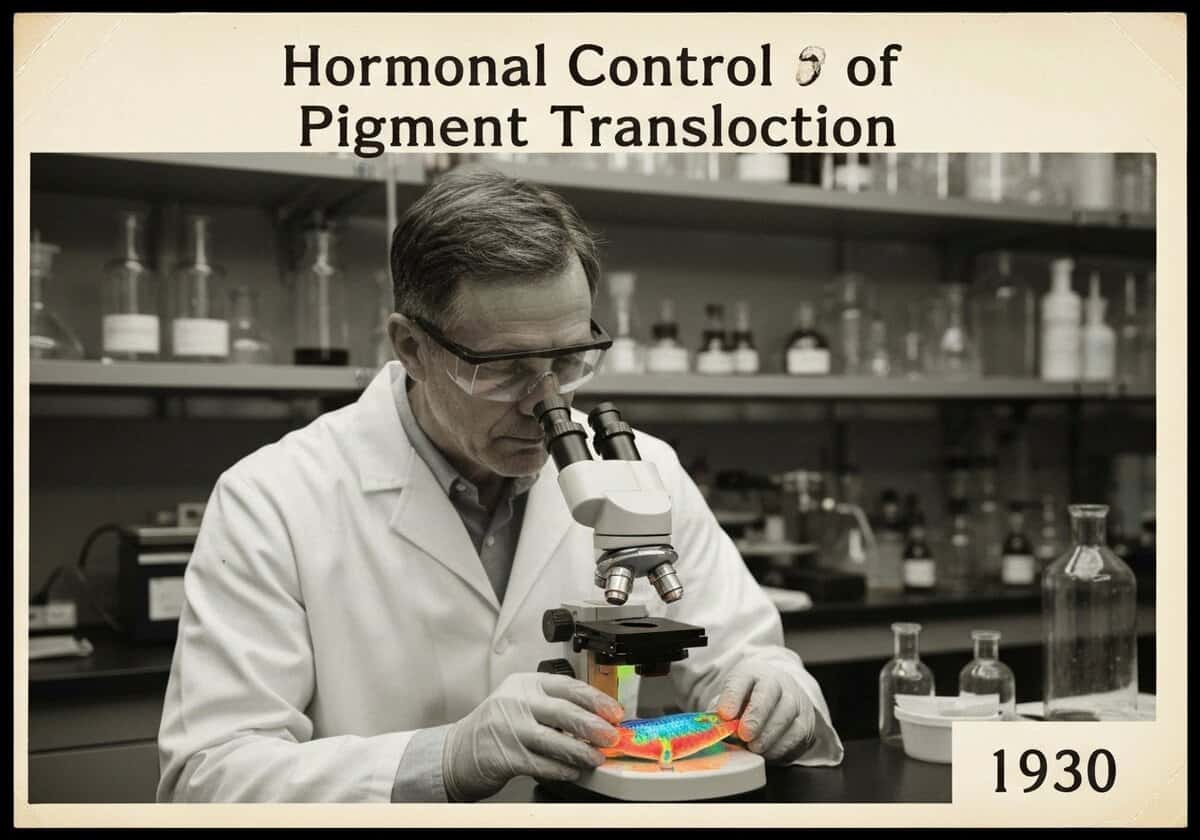
1930
باحث يفحص الصبغيات في الفقاريات الخارجية الحرارية لانتقال الصبغة الهرمونية.

(صورة تم إنشاؤها للتوضيح فقط)

في العديد من الفقاريات ذات الدم البارد، كالأسماك والبرمائيات، يُعدّ تغير اللون عملية فسيولوجية بطيئة تُنظّمها الهرمونات. تنتقل حبيبات الصبغة داخل الخلايا الصبغية على طول الهيكل الخلوي للأنابيب الدقيقة. تُسبب هرمونات مثل الهرمون المحفز للخلايا الصبغية (MSH) تشتت الصبغة (التغميق)، بينما يُحفز الميلاتونين أو الهرمون المُركّز للخلايا الصبغية (MCH) تجمّعها (تفتيح اللون)، مما يُكيّف لون الحيوان مع بيئته خلال دقائق إلى ساعات.

This mechanism, known as physiological color change, relies on the movement of pigment-containing organelles (melanosomes in melanophores) within the cell’s cytoplasm. The cell itself does not change shape. Instead, a complex network of cytoskeletal tracks, primarily microtubules, guides the transport of these organelles. Motor proteins, such as dynein and kinesin, act as the engines for this transport. Hormonal signals, received by G-protein coupled receptors on the chromatophore’s surface, initiate a signaling cascade. For example, melanocyte-stimulating hormone (MSH) binding leads to an increase in intracellular cyclic AMP (cAMP). Elevated cAMP activates protein kinase A (PKA), which in turn phosphorylates motor proteins, leading to the dispersion of pigment granules from the cell center to the periphery, thus darkening the skin. Conversely, melanocyte-concentrating hormone (MCH) or melatonin binding leads to a decrease in cAMP, causing the motor proteins to reverse direction and aggregate the pigments in the center of the cell, lightening the skin. This entire process is reversible and allows the animal to adapt its coloration to the background, light levels, or social signals, albeit on a much slower timescale (minutes to hours) compared to the neuromuscular control in cephalopods.

UNESCO Nomenclature: 2401
علم الأحياء الحيوانية (علم الحيوان)

يكتب

الآلية البيولوجية

الاضطراب

كبير

الاستخدام

الاستخدام الواسع النطاق

السلائف

  • اكتشاف الهرمونات وجهاز الغدد الصماء بواسطة ستارلينج وبايليس
  • تحديد دور الهيكل الخلوي في البنية والنقل داخل الخلايا
  • اكتشاف الغدة النخامية كمصدر لجزيئات الإشارة
  • توصيف البروتينات الحركية مثل الكينيسين والداينين

التطبيقات

  • development of diagnostic assays using pigment aggregation (e.g., pregnancy tests)
  • pharmacological research into g-protein coupled receptors (gpcrs) targeted by these hormones
  • toxicology screening, as pollutants can disrupt this sensitive hormonal pathway
  • basic research into intracellular transport mechanisms

براءات الاختراع:

NA

أفكار ابتكارات محتملة

بسبب عمليات جمع البيانات من خلال برامج الروبوت، والتي تتجاوز حاليًا 40 ألفًا يوميًا، فإن هذا المحتوى مخصص لأعضاء المجتمع فقط.
> تسجيل الدخول < أو > سجل < (مجاني 100٪) للوصول إلى هذا، وكذلك جميع المحتويات والأدوات الأخرى المقيدة.

ذات صلة بـ: التحكم الهرموني، هرمون تحفيز الخلايا الصبغية، هرمون كولين الخلايا الصبغية، انتقال الصبغة، الأنابيب الدقيقة، ذوات الدم البارد، الأسماك، البرمائيات، تغير اللون الفسيولوجي، علم الغدد الصماء.

السياق التاريخي

التحكم الهرموني في انتقال الصبغة

1910
1921
1930
1930
1940
1950
1951
1902
1920
1928
1930
1940
1950
1950
1954

(إذا كان التاريخ غير معروف أو غير ذي صلة، على سبيل المثال "ميكانيكا الموائع"، يتم توفير تقدير تقريبي لظهوره الملحوظ)

الصور بالحجم الكامل والتنزيلات متاحة فقط 100% مجاناً للأعضاء المسجلين.