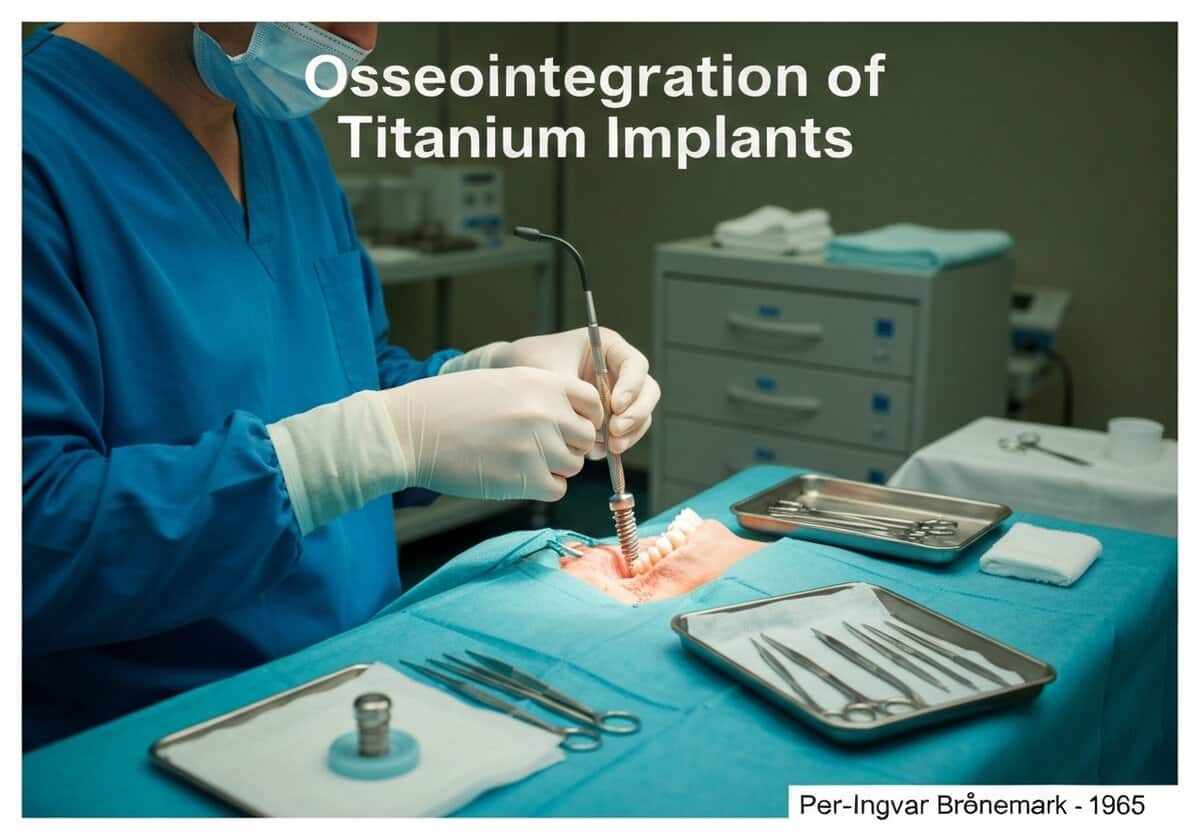
The discovery of osseointegration was serendipitous. In the 1950s, Per-Ingvar Brånemark was studying blood flow in rabbit fibula using an optical chamber with a 钛 frame. When he tried to remove the chamber, he found the bone had grown so intimately into the titanium that it was impossible to separate. This led to the realization that titanium, unlike other materials, was not rejected by the body and could fuse directly with bone. The key to this process is the formation of a titanium dioxide layer on the implant’s surface upon exposure to air. This oxide layer is highly biocompatible and allows bone-forming cells, or osteoblasts, to attach and deposit new bone matrix directly onto the implant surface. For successful osseointegration, several conditions must be met: the implant must be made of a biocompatible material (like commercially pure titanium), it must be machined with a specific surface topography, it must be placed with minimal trauma to the bone, and it must remain immobile and unloaded during the initial healing period. This process has revolutionized dentistry and orthopedics, providing a stable foundation for replacing missing teeth and limbs with a high degree of success and 长寿.