Product Design, Manufacturing & Innovation Resources
घर » टाइटेनियम प्रत्यारोपण का ओसियोइंटीग्रेशन

टाइटेनियम प्रत्यारोपण का ओसियोइंटीग्रेशन

1965
  • Per-Ingvar Brånemark
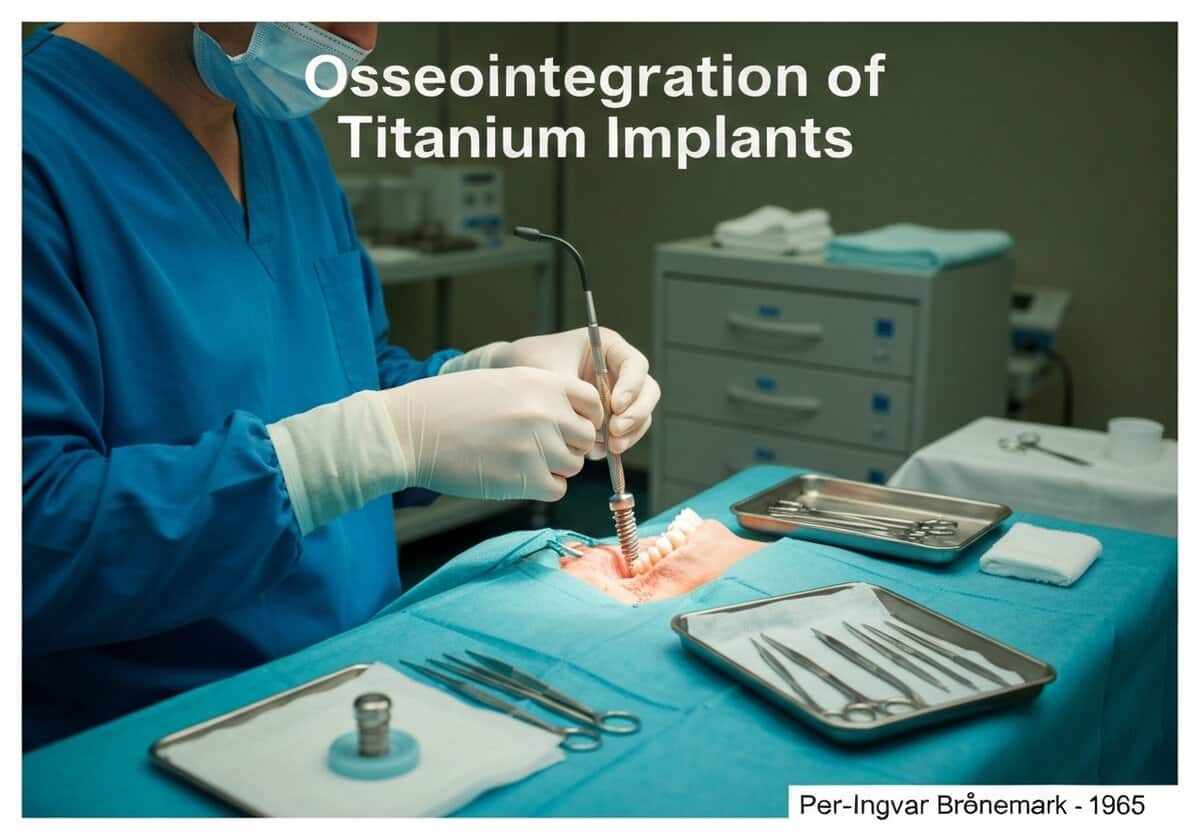
बायोमेडिकल इंजीनियरिंग में अस्थि एकीकरण को प्रदर्शित करते हुए टाइटेनियम डेंटल इम्प्लांट का शल्य चिकित्सा द्वारा प्रत्यारोपण।

(यह छवि केवल उदाहरण के लिए बनाई गई है)

ओसियोइंटीग्रेशन जीवित हड्डी और भार वहन करने वाले कृत्रिम प्रत्यारोपण की सतह के बीच सीधा संरचनात्मक और कार्यात्मक संबंध है, जो आमतौर पर बना होता है। टाइटेनियमपेर-इंग्वार ब्रैनमार्क द्वारा खोजी गई यह घटना, हड्डी-प्रत्यारोपण इंटरफ़ेस पर रेशेदार नरम ऊतक के विकास के बिना होती है, जिससे दंत प्रत्यारोपण और कृत्रिम जोड़ों जैसे कृत्रिम अंगों के लिए एक स्थिर और टिकाऊ आधार बनता है।

The discovery of osseointegration was serendipitous. In the 1950s, Per-Ingvar Brånemark was studying blood flow in rabbit fibula using an optical chamber with a टाइटेनियम frame. When he tried to remove the chamber, he found the bone had grown so intimately into the titanium that it was impossible to separate. This led to the realization that titanium, unlike other materials, was not rejected by the body and could fuse directly with bone. The key to this process is the formation of a titanium dioxide layer on the implant’s surface upon exposure to air. This oxide layer is highly biocompatible and allows bone-forming cells, or osteoblasts, to attach and deposit new bone matrix directly onto the implant surface. For successful osseointegration, several conditions must be met: the implant must be made of a biocompatible material (like commercially pure titanium), it must be machined with a specific surface topography, it must be placed with minimal trauma to the bone, and it must remain immobile and unloaded during the initial healing period. This process has revolutionized dentistry and orthopedics, providing a stable foundation for replacing missing teeth and limbs with a high degree of success and लंबी उम्र.

UNESCO Nomenclature: 3201
बायोमेडिकल इंजीनियरिंग

Type

जैविक प्रक्रिया

व्यवधान

क्रांतिकारी

उपयोग

व्यापक उपयोग

शगुन

  • विलियम ग्रेगर द्वारा 1791 में टाइटेनियम की खोज।
  • रोगाणुरहित शल्य चिकित्सा तकनीकों का विकास
  • ऊतक-प्रत्यारोपण इंटरफेस का अवलोकन करने के लिए सूक्ष्मदर्शी में हुई प्रगति
  • हड्डी के उपचार और पुनर्जनन पर शोध

आवेदन

  • डेंटल इम्प्लांट्स
  • अस्थि-स्थलीकृत श्रवण यंत्र (BAHA)
  • जोड़ों के प्रतिस्थापन कृत्रिम अंग (कूल्हे, घुटने)
  • हड्डी से सीधे जुड़े अंग-विच्छेदन कृत्रिम अंग
  • चेहरे के पुनर्निर्माण के लिए क्रैनियोफेशियल प्रोस्थेटिक्स

पेटेंट:

  • US4172320A

संभावित नवाचार विचार

  • surface-modified implants (e.g., sandblasted, acid-etched) to accelerate osseointegration
  • implants with nano-textured surfaces to guide cell growth
  • osseointegrated sensors for monitoring bone strain and healing
  • osseointegrated robotic limbs with neural interfaces
  • drug-eluting osseointegrated implants to deliver growth factors
  • osseointegration techniques for spinal fusion surgery
  • 3d-printed porous titanium implants that mimic bone structure
  • zirconia-based implants as a metal-free alternative for osseointegration
  • immediate-load protocols for dental implants based on enhanced osseointegration
  • osseointegrated anchors for orthodontic treatments
Related to: osseointegration, titanium, Per-Ingvar Brånemark, dental implant, bone integration, biocompatibility, prosthesis, orthopedics, titanium dioxide, osteoblast.

ऐतिहासिक संदर्भ

टाइटेनियम प्रत्यारोपण का ओसियोइंटीग्रेशन

1960
1965
1970
1980
1980
1990
1960
1960
1969
1976-05-28
1980
1990

(यदि तिथि अज्ञात है या प्रासंगिक नहीं है, उदाहरण के लिए "द्रव यांत्रिकी", तो इसके उल्लेखनीय उद्भव का एक अनुमानित आंकड़ा प्रदान किया गया है)

नवीनतम परिवर्धन

शीर्ष पोस्ट और लेख

शीर्ष मूल उपकरण

10वां वर्ष सालगिरह

पंजीकृत सदस्यों के लिए पूर्ण आकार की छवियाँ और डाउनलोड 100% निःशुल्क उपलब्ध हैं।