Product Design, Manufacturing & Innovation Resources
家 » 水的电解

水的电解

1800-05-02
  • William Nicholson
  • Anthony Carlisle
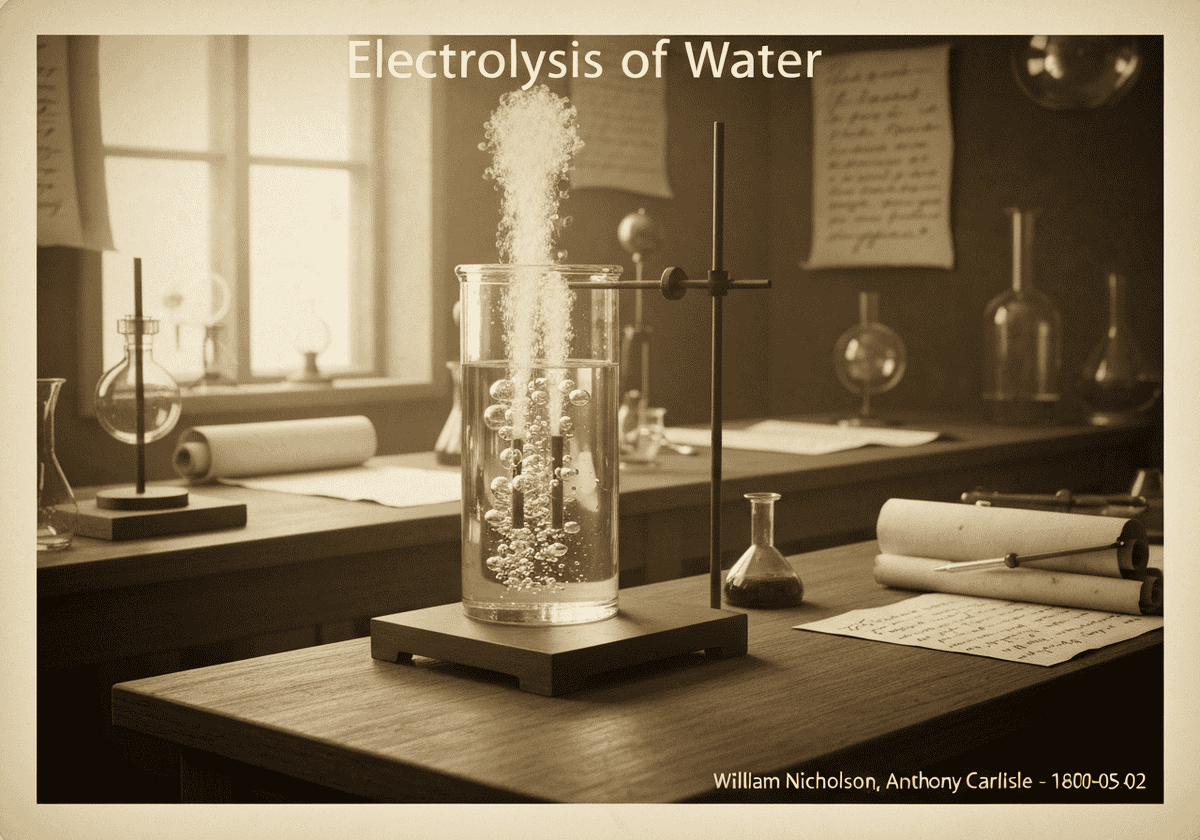
演示水分解成氢气和氧气的电解装置。

(图片仅供参考)

这 电解 of water is the decomposition of water (H₂O) into its constituent elements, oxygen (O₂) and hydrogen (H₂), by passing an electric current through it. At the cathode, two water molecules are reduced to form hydrogen gas and hydroxide ions. At the anode, two water molecules are oxidized to form oxygen gas, protons, and electrons.
纯水分解成氢气和氧气是一个热力学上不利的过程,需要以电能的形式提供外部能量。纯水导电性差,因此通常会添加电解质,例如少量可溶性盐或酸(如硫酸)来提高导电性。该反应的总平衡方程式为:2H₂O(l) → 2H₂(g) + O₂(g)。

该过程发生在电解池中。在带负电的阴极,发生还原反应:2H₂O(l) + 2e⁻ → H₂(g) + 2OH⁻(aq)。在带正电的阳极,发生氧化反应:2H₂O(l) → O₂(g) + 4H⁺(aq) + 4e⁻。阴极产生的氢气体积恰好是阳极产生的氧气体积的两倍,这是水的化学计量比的直接结果。这种2:1的体积比是化学课堂上的经典演示,通常使用霍夫曼伏特计进行演示。

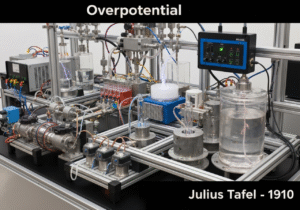
电解所需的最低电压,称为分解电位,在标准条件下为 1.23 V。然而,在实际应用中,通常需要更高的电压,称为…… 过电位, is needed to overcome various activation barriers. The efficiency of water electrolysis is a key factor in the viability of a hydrogen-based economy, with significant research focused on developing more effective and cheaper 催化剂 for the anode and cathode to reduce the overpotential and energy consumption.

UNESCO Nomenclature: 2406
- 电化学

类型

化学过程

中断

重大的

用法

广泛使用

前体

  • 亨利·卡文迪什发现氢
  • 卡尔·威廉·舍勒和约瑟夫·普里斯特利发现氧气
  • 的发明 伏打桩 亚历山德罗·伏特

应用程序

  • 用于燃料电池和汽车的氢气生产
  • 生产用于医疗和工业用途的高纯度氧气
  • 潜艇和航天器中的生命支持系统
  • 焊接和切割炬(氢氧)
  • 氘(重水)的生产

专利:

NA

潜在创新理念

  • 用于直接将太阳能转化为氢能的集成光伏电解系统
  • home-scale units for producing 氢燃料 for personal vehicles from tap water and renewable energy
  • 用于偏远地区同时净化水质和产生氢气的电解系统
  • 高压电解器直接生产压缩氢,降低储存成本
  • 可逆燃料电池,既可用作电解器,又可用作发电机
  • 利用工业过程产生的废热来提高电解效率(高温电解)
  • 无需淡化预处理的海水电解
  • 催化剂 development using earth-abundant materials to replace platinum and iridium
Related to: water 电解, hydrogen production, oxygen production, decomposition, cathode, anode, hofmann voltameter, green hydrogen.

历史背景

水的电解

1800
1800-05-02
1880
1900
1910
1921
1930
1930
1800
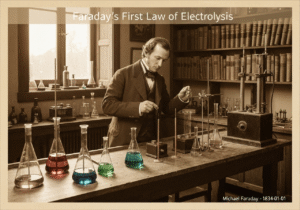
1834-01-01
1880
1902
1920
1928
1930

(如果日期未知或不相关,例如“流体力学”,则提供其显著出现的近似估计)

第十年 周年纪念日

只有注册会员才能免费获得 100% 的全尺寸图片和下载。.

> 登录 <