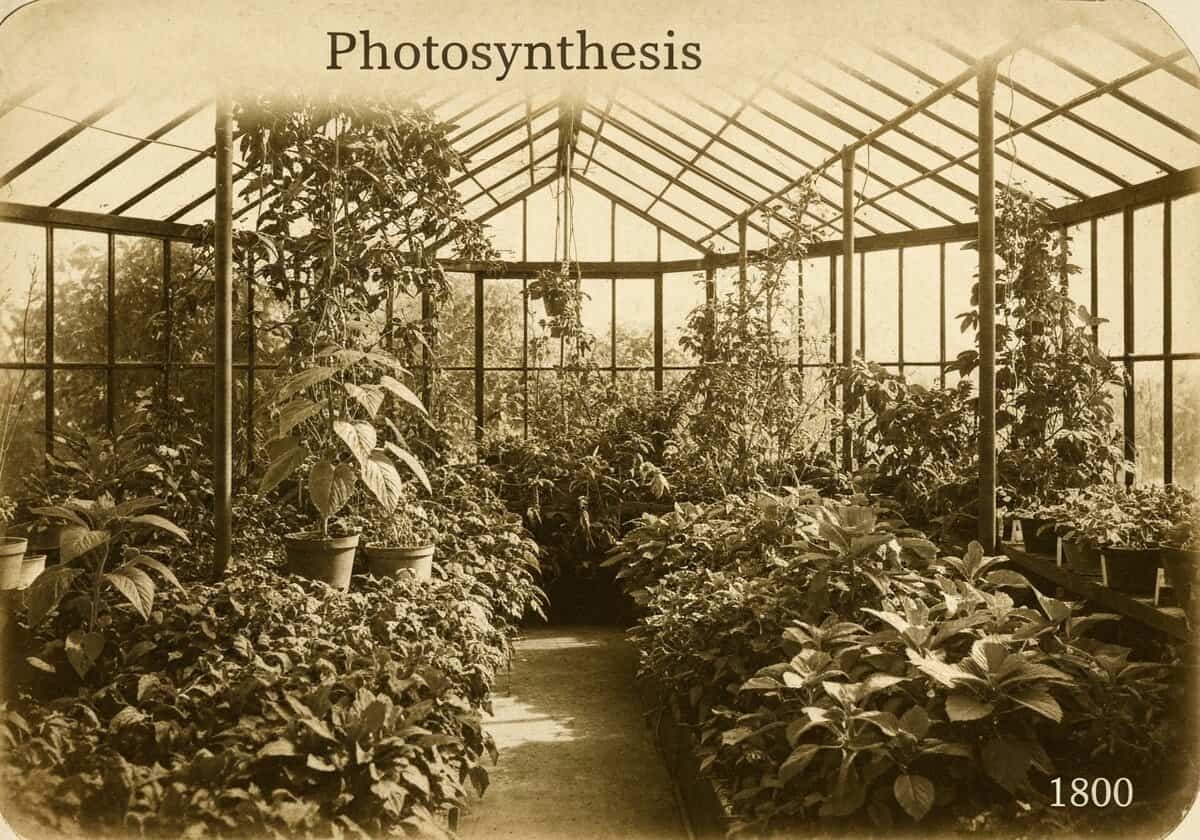
The process of photosynthesis occurs in two main stages within the chloroplasts of plant cells. The first stage, the light-dependent reactions, takes place in the thylakoid membranes. Here, pigments like chlorophyll absorb photons from sunlight. This energy is used to split water molecules in a process called photolysis, which releases oxygen, protons, and electrons. The energy captured from light is converted into two short-term energy-storing molecules: ATP (adenosine triphosphate) and NADPH (nicotinamide adenine dinucleotide phosphate). The second stage, known as the 卡尔文循环 或不依赖光的反应,发生在叶绿体的基质中。这一循环不直接需要光,而是利用第一阶段产生的 ATP 和 NADPH。在卡尔文循环中,大气中的二氧化碳被 ‘固定 ’为有机分子,并转化为葡萄糖,这是一种高能糖,植物可将其用于生长、新陈代谢或作为淀粉储存起来。整个过程几乎是地球上所有生命的基础,为大多数生态系统提供能量,并产生大气中的氧气。.