Product Design, Manufacturing & Innovation Resources
Home » Online Tools » XML-RPC Protocol Checker

XML-RPC Protocol Checker

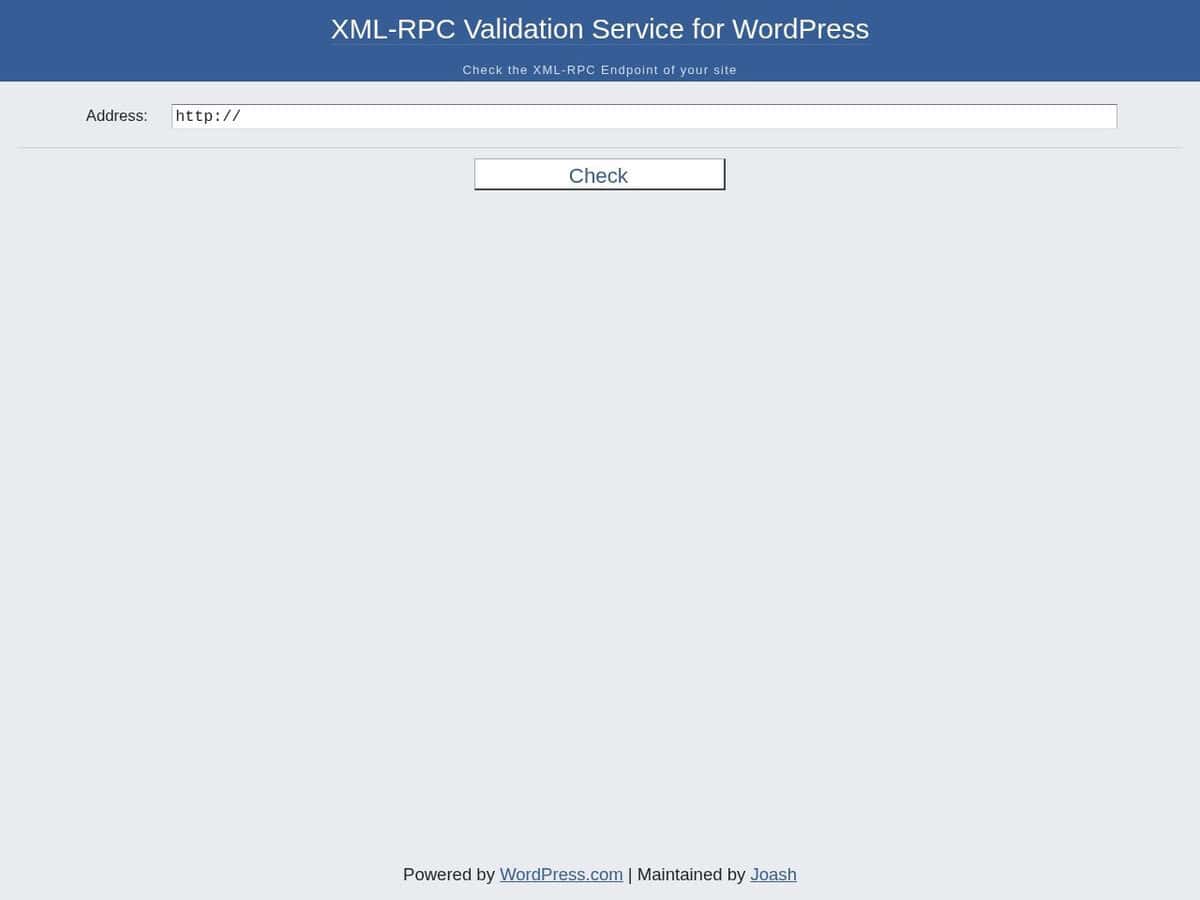
Extremely simple tool for WordPress owners: it tests if your site has the XML-RPC protocol still activated (yes by default in current installations).

It is beyond this site to debate why if should be disabled, unless an old compatibility is required, and bare the risk of remote attacks.


Disciplines: WordPress development, Cybersecurity, Web hosting.
Free alternative to WPScan, Sucuri SiteCheck.
XML-RPC Protocol Checker compared with WPScan and Sucuri SiteCheck
XML-RPC Protocol Checker (xmlrpc.blog)WPScanSucuri SiteCheck
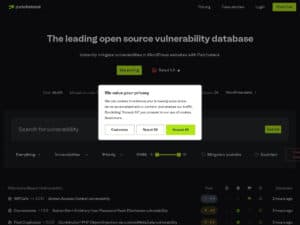
Scope: It does one thing: it tests whether a WordPress site still has the XML-RPC protocol active. Kinsta names it as the validation service to use for this test.Scope: The WPScan plugin checks a site against the WPScan vulnerability database for known core, plugin and theme flaws. Among its extra checks is whether XML-RPC is enabled.Scope: It scans a URL for known malware, blacklist status, outdated CMS software and vulnerable plugins. The page does not list an XML-RPC check.
Technical basis: Checking that xmlrpc.php exists proves nothing, because the file is part of every WordPress installation even when XML-RPC is disabled. A functional test of the endpoint is needed instead.Technical basis: The plugin runs inside WordPress and needs an API token from wpscan.com for vulnerability lookups. XML-RPC and a few other checks work without a token.Technical basis: It is a remote scanner. It sees only what is visible at browser level and cannot detect server-side problems, and results are not guaranteed.
Cost and status: The free plan allows 25 API requests per day, one per core version, plugin or theme. The plugin page states it is no longer actively supported for non-enterprise customers and recommends Jetpack Protect.Cost and status: The scanner is described as free. A full client and server level scan requires contacting Sucuri.
Why the check matters: XML-RPC has been on by default since WordPress 3.5. Risks cited are DDoS through pingbacks and brute force attempts, since each request carries credentials.

Topics covered: XML-RPC, Protocol Checker, WordPress, activation, compatibility, remote attacks, security, testing tool, web services, API, HTTP, XML, ISO/IEC 27001, ISO/IEC 27002, ISO 9001, and ISO/IEC 20000..

Privacy: we have no feedback of potential problem with this tool and author. But like many online services, you are here providing them with your own data. Depending of the criticity of your data, this is your responsibility to assess author's reputation and potential misusage, and to check and accept their terms and conditions, or not.

More Network & Web tools

Suggest your best online tool:

Do you know a better, a complementary or a replacement website to the one listed above ?

> Suggest it here <

10th year anniversary

Full size images and downloads are only available, 100% free, for registered members.

> Login <