Oblique Strategies compared with IDEO Method Cards and SCAMPER| Oblique Strategies | IDEO Method Cards | SCAMPER |
|---|
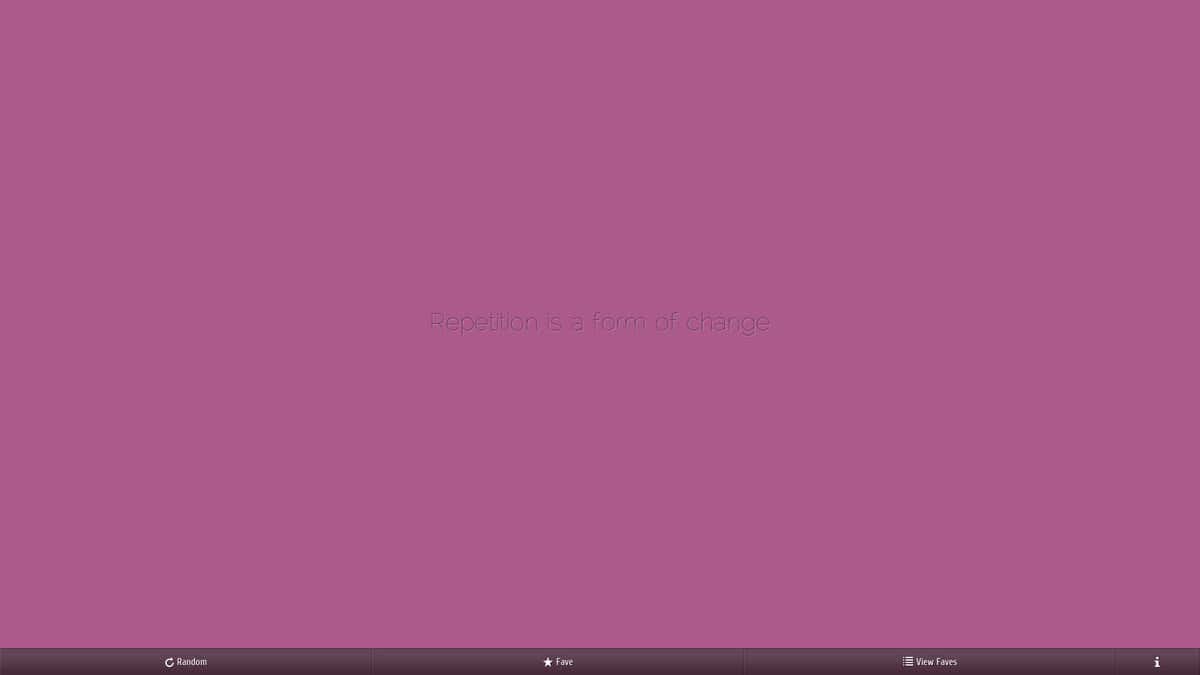
| Form and delivery: A mobile web app at obliquestrategies.ca, developed by Matt Ruten in 2012, with its source code on GitHub. A Random button shows one strategy, and cards can be saved as favorites. The site also links to a seller of the physical deck. | Form and delivery: A physical deck of 51 cards sold through William Stout Architectural Books in San Francisco. The IDEO page mentions no app or digital version. | Form and delivery: A checklist technique, not a product. It is applied with a defined problem statement and prepared questions for each prompt, and the ideas are usually captured visually and clustered. |
| Origin and history: Created by Brian Eno and Peter Schmidt and first published in 1975. Printed editions followed, from 113 cards in the original to about 106 in the 2013 edition. | Origin and history: Published by IDEO. The page describing the deck carries a publication date of November 2003. | Origin and history: Alex Osborn listed eight idea prompts in Applied Imagination in 1953. Bob Eberle reorganized them into the SCAMPER acronym in his 1971 book SCAMPER: Games for Imagination Development. |
| Structure of the prompt set: Each card holds one short, cryptic remark meant to break a deadlock, for example Use an old idea. The prompts are deliberately indirect, so the user must interpret them for the problem at hand. | Structure of the prompt set: Four categories: Learn, Look, Ask and Try. Each card describes one method together with a brief story about how and when to use it. | Structure of the prompt set: Seven fixed prompts: Substitute, Combine, Adapt, Modify, Put to another use, Eliminate and Reverse. |
| How it is applied: One shuffled card is drawn when a dilemma arises, and the card is meant to be trusted even if its fit is unclear. Brian Eno used the deck while recording the David Bowie Berlin albums. | How it is applied: The cards are held in hand, sorted and browsed by category. | How it is applied: Typically used in the Develop phase of the Double Diamond model, after the problem is defined. It complements other ideation tools and depends on a well-defined problem. |