Product Design, Manufacturing & Innovation Resources
家 » 纳米毒理学和安全

纳米毒理学和安全

2000
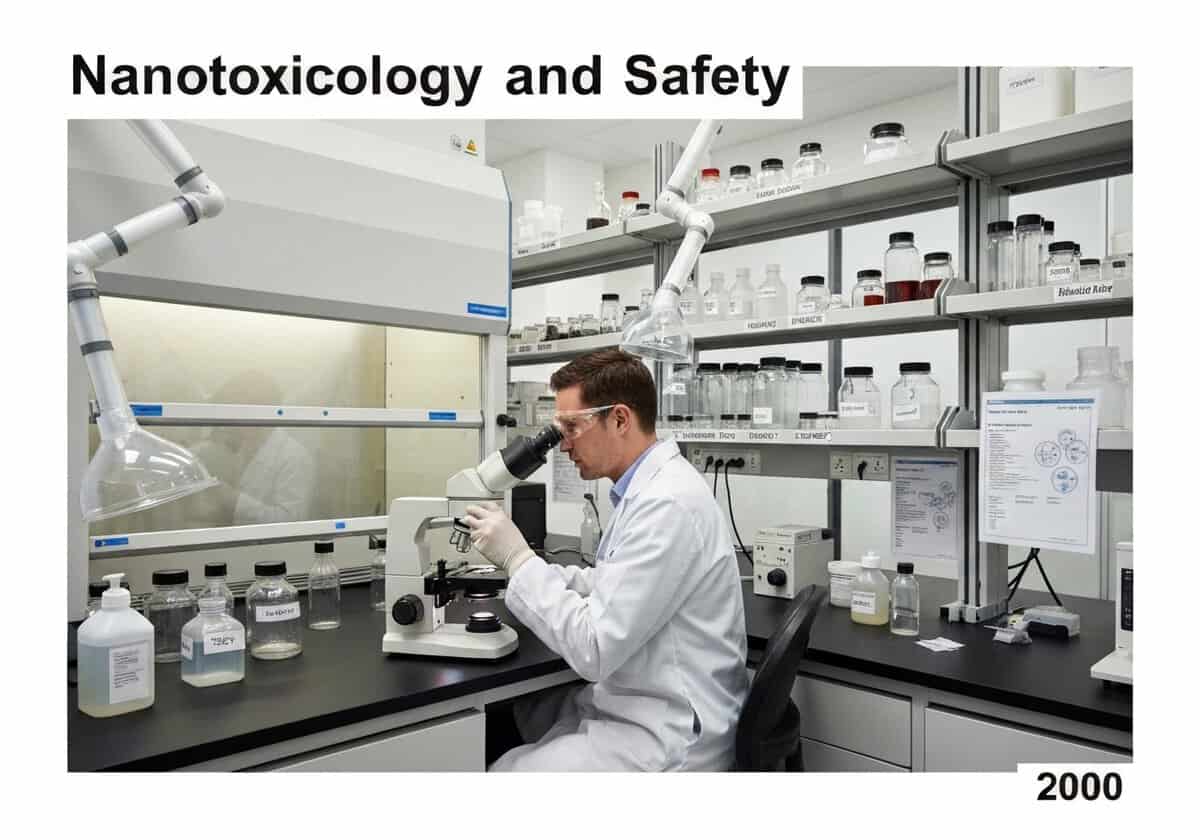
Laboratory scene with a scientist studying nanoparticles for safety assessments in nanotoxicology.

(图片仅供参考)

Nanotoxicology is the study of the toxicity of nanomaterials. Due to their small size and high surface-area-to-volume ratio, nanoparticles can exhibit unexpected toxicity not seen in their bulk counterparts. They can potentially cross biological barriers like the blood-brain barrier, enter cells, and interact with biological systems in novel ways, raising concerns about health and environmental safety.
纳米材料独特的物理化学特性使其在各种应用中极具吸引力,但也可能导致其产生不良生物效应。纳米毒理学研究这些特性(包括尺寸、形状、表面化学、电荷和溶解度)如何影响其与生物体的相互作用。一个关键问题是纳米颗粒在通过吸入、摄入或皮肤接触后在体内的易位能力。纳米颗粒体积小,因此能够逃避正常的生理清除机制,例如肺部巨噬细胞的吞噬作用,并进入那些受到保护、不受较大颗粒影响的敏感器官和组织。

Once inside the body, nanoparticles can induce toxicity through several mechanisms. One of the most studied is the generation of reactive oxygen species (ROS), leading to oxidative stress. The high surface area of nanoparticles provides a large interface for catalytic reactions that can produce free radicals, which in turn can damage cells by oxidizing proteins, lipids, and DNA. Another mechanism is inflammation, where the immune system recognizes the nanoparticles as foreign invaders, triggering a persistent inflammatory response that can lead to chronic disease. Furthermore, some nanomaterials, particularly fibrous ones like certain types of carbon nanotubes, have been compared to asbestos due to their high aspect ratio, raising concerns about carcinogenicity. The field aims to understand these mechanisms to establish dose-response relationships, identify hazardous materials, and guide the development of safer nanomaterials and handling protocols to mitigate risks for workers, consumers, and the environment.

UNESCO Nomenclature: 3109
– Pharmacology

类型

科学学科

中断

Incremental

用法

广泛使用

前体

  • 古典毒理学和药理学领域
  • 对细颗粒和超细颗粒(例如来自污染、采矿)的职业健康研究
  • 了解细胞生物学和细胞损伤机制(例如氧化应激)
  • 石棉健康危机凸显了纤维材料的风险

应用程序

  • regulatory guidelines for nanoparticle handling (e.g., by niosh, osha)
  • “安全设计”纳米材料的开发
  • 含纳米颗粒的消费品风险评估框架
  • 纳米颗粒污染的环境监测
  • biocompatibility testing for medical nanodevices

专利:

NA

潜在创新理念

  • 可生物降解的纳米材料,能够发挥作用,然后安全溶解
  • 纳米毒性的标准化高通量筛选平台
  • 基于物理化学性质预测纳米颗粒毒性的计算模型
  • 使纳米颗粒具有生物惰性的表面涂层
  • 即时的 wearable sensors for detecting occupational exposure to airborne nanoparticles
  • 用于早期检测纳米诱导的健康影响的生物标志物
  • 闭环 manufacturing systems to prevent nanoparticle release
  • 利用纳米颗粒捕获和降解其他纳米颗粒的环境修复策略
  • “antidote” nanoparticles that can capture and clear toxic nanoparticles from the body
  • 协调安全测试要求的国际监管框架
相关领域:纳米毒理学、安全性、纳米颗粒、毒性、健康风险、环境影响、氧化应激、炎症、血脑屏障、监管。

历史背景

第十年 周年纪念日

只有注册会员才能免费获取完整尺寸的图片和下载内容。

> 登录 <

















