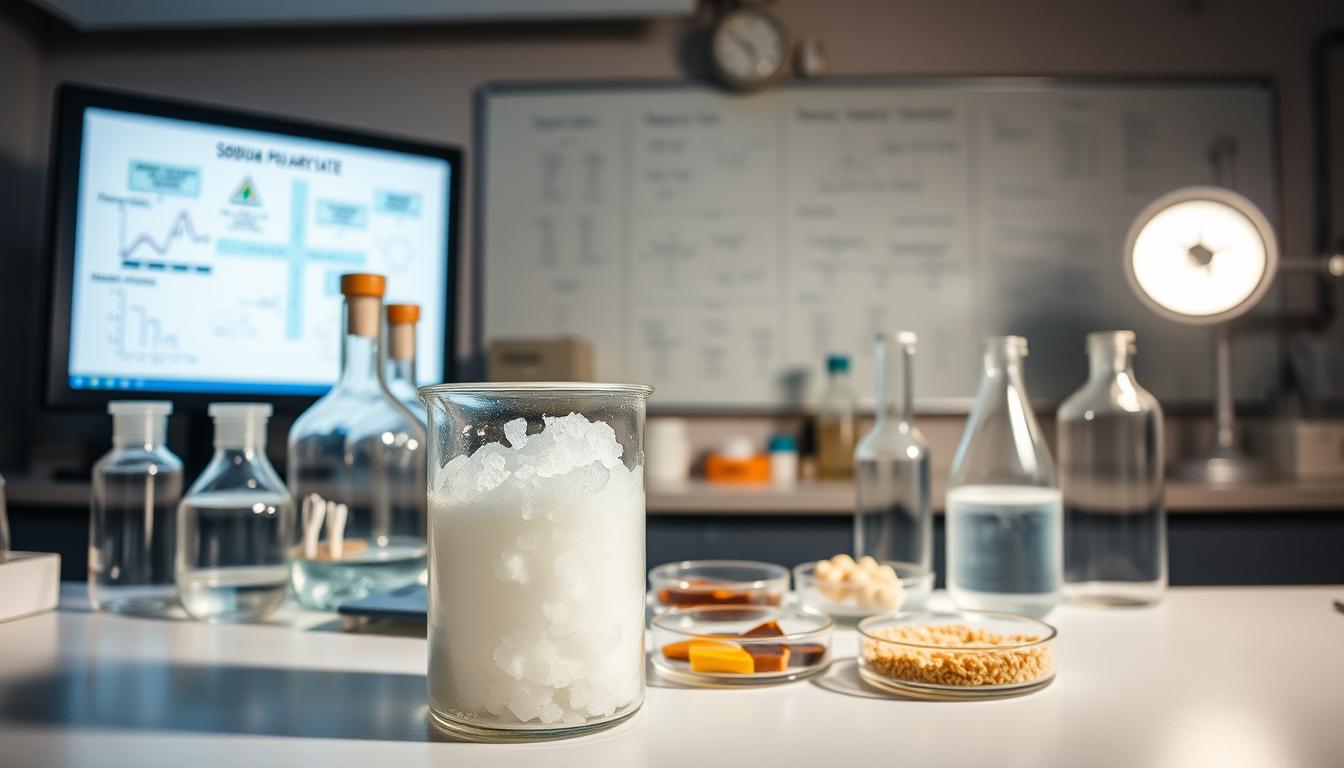
ポリアクリル酸ナトリウムポリマーは、自重の100~1000倍もの水を吸収することができます。この超吸収性ポリマー(SAP)は、現在多くの産業で重要な役割を担っています。製品の水分保持方法に革命をもたらし、効率性を向上させました。
この素材が農業、衛生、環境浄化、さらには医療分野に至るまで幅広く使用されていることは、その計り知れない影響力を示しています。これは、ポリアクリル酸ナトリウムがあらゆる分野で持続可能性と性能向上を推進していることを浮き彫りにしています。
これは私たちが通常行っている技術レビューではなく、むしろ化学的性質や物理的性質に関するレビューです。
私たちはポリアクリル酸ナトリウムの可能性を探ります。なぜなら、1960年代から開発されてきたとはいえ、まだ多くの用途が想像される必要があると考えているからです。
主なポイント
- ポリアクリル酸ナトリウムは、自重の100~1000倍の水を吸収できる超吸収性ポリマーである。
- 農業分野において、土壌の保水性や構造を改善するなど、多様な用途がある。
- The polymer is also widely used in hygiene products, including baby diapers and sanitary pads.
- ポリアクリル酸ナトリウムは、環境修復活動において重要な役割を果たしている。
- 医療分野における革新技術には、薬剤送達システムや創傷治療ソリューションなどが含まれる。
- 今後、様々な業界でさらに多くの用途が見込まれると予想しています。
ポリアクリル酸ナトリウムは、その優れた特性で知られる人工ポリマーです。ポリアクリル酸のナトリウム塩として機能します。この物質は、自重の最大1000倍もの水を吸収することができます。そのため、多くの産業において非常に重要な物質となっています。
この化合物は、私たちが毎日使う製品に広く使用されています。吸水性が非常に高いため、赤ちゃんのおむつや大人用衛生用品にも使われています。また、土壌の保水性を高め、作物の生育を促進するために農業にも利用されています。環境に優しく、人体にあまり害がないため、多くの人に好まれています(詳細は後述)。科学者たちはこの化合物の新たな利用法を模索しており、それが様々な分野に大きな変革をもたらす可能性があります。
ポリアクリル酸ナトリウムの特性
このポリマーは、カリウム版と同様に、独自の特性を持ち、多くの用途に適しています。その化学組成、保水能力、そして自然分解性について理解しておくことが重要です。これらの特性により、農業からパーソナルケア製品まで、幅広い分野で活用されています。
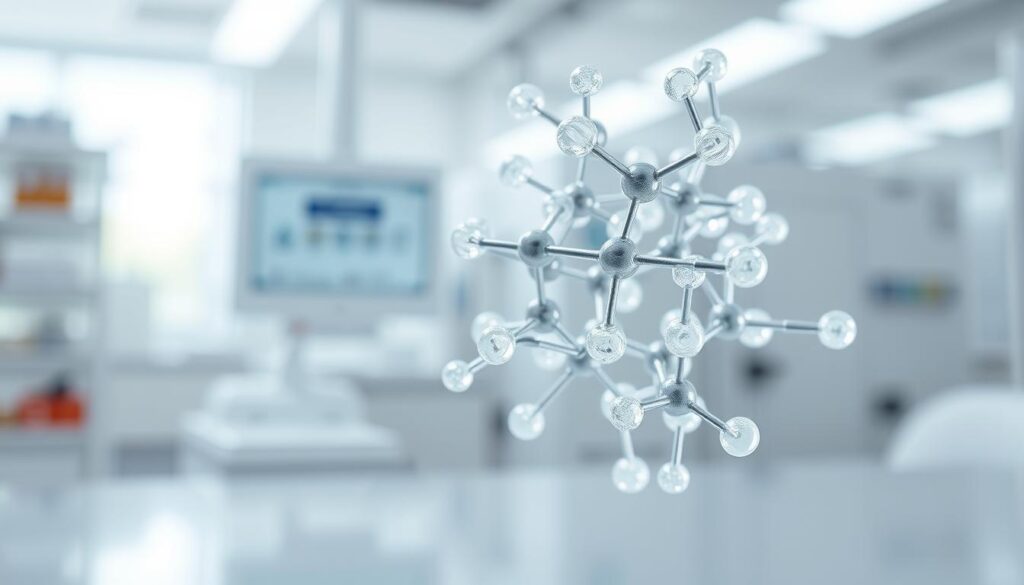
ポリアクリル酸ナトリウムの化学式は(C3H3NaO2)nです。その構造上、陰イオン性高分子電解質です。水と接触するとヒドロゲルに変化します。この性質により、様々な用途に非常に有用です。
生分解性の可能性: ポリアクリル酸ナトリウムは人工物ではあるものの、特定の条件下では自然分解する可能性がある。つまり、プラスチック廃棄物を減らし、地球環境に配慮した方法で使用できる可能性があるということだ。
歴史的発展
1960年代初頭、米国農務省は大きな取り組みを開始しました。その研究は、農業における節水を目的としていました。この重要な研究は、土壌の健全性と保水性を向上させる超吸収性ポリマーの開発の始まりとなりました。
その後、ダウ・ケミカルやデュポンといった大手企業は、ポリアクリル酸ナトリウムがいかに有用であるかを認識した。
1960年代後半から1970年代初頭にかけて、彼らはそれを広く販売し始めた。
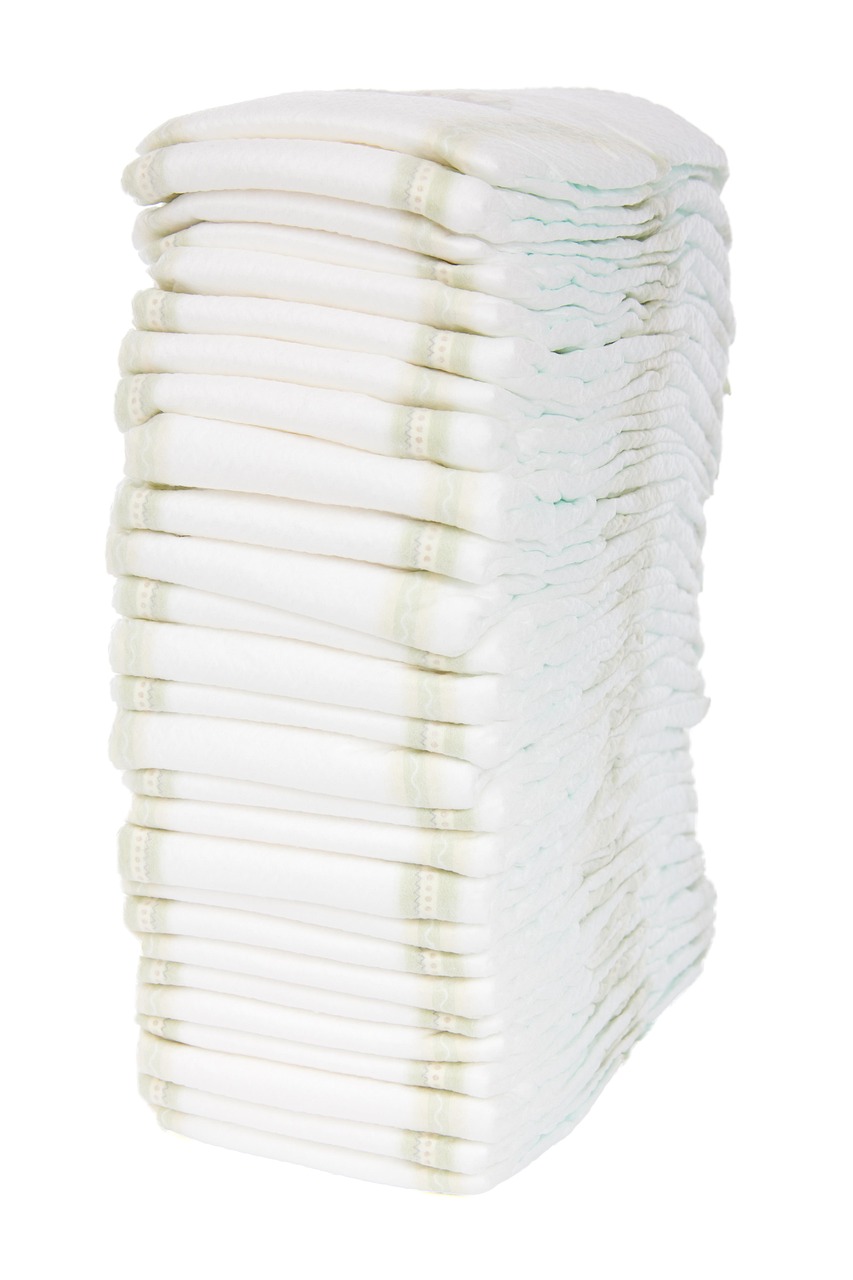
それによって、極薄のベビー用おむつなどが実現可能になった。これらのオムツは、機能性と効率性に優れていたため、大ヒット商品となった。
Sodium Polyacrylate in Hygiene Products
Sodium polyacrylate boosts the quality of hygiene products. It’s great at absorbing and keeping moisture. This polymer is in many items that help keep people dry and safe.
| Hygiene Product | Application of Sodium Polyacrylate | 利点 |
|---|---|---|
| Baby Diapers | High absorbency and moisture retention | Prevents leaks, enhances dryness, improves skin health |
| Baby Wipes | Quick moisture absorption | Maintains cleanliness, provides comfort to infants |
| Sanitary Napkins | Fast absorption of menstrual fluid | Reduces leakage, enhances comfort, promotes discretion |
| Protective Gear | Moisture management | Ensures user comfort and safety |
Note to the video above: this illustrates one of the benefit sodium or potassium polyacrylate for agriculture, aka retaining rain into the soil. One should not forget that agriculture parameters are more complex, as keeping the soil constantly wet, without dry cycle, is not always a benefit for the plant and soil.
Sodium Polyacrylate: Applications in Agriculture
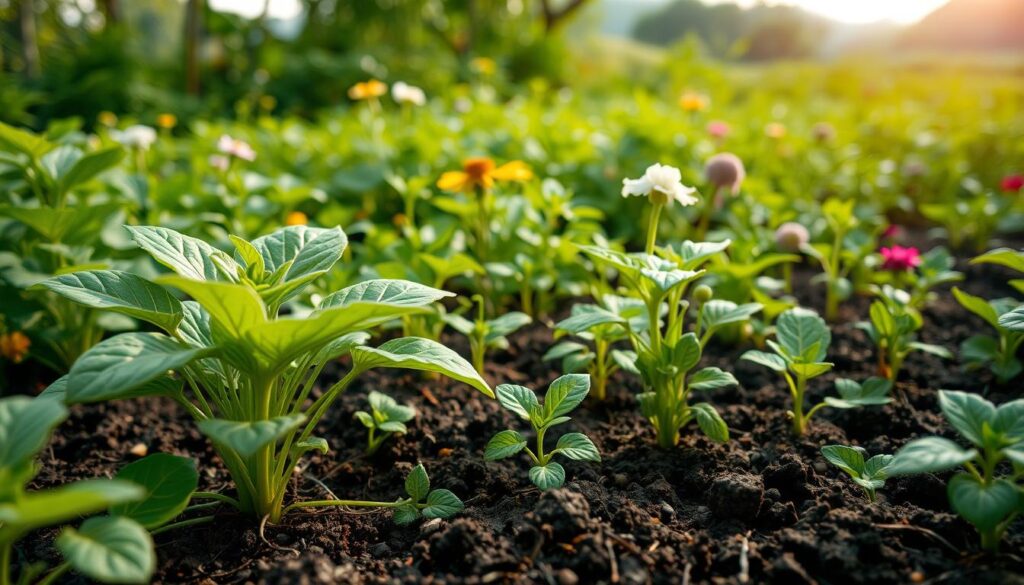
Sodium polyacrylate is becoming very popular in farming because of its amazing features. It helps improve soil water storage, leading to better plant growth. Farmers use it a lot to get more crops and save water and other important resources.
- Soil moisture retention: this polymer is great at keeping soil moist by forming strong groups that hold water. This means watering plants less often, which saves water and eases pressure on water supplies. It ensures plants get enough water, even in very dry areas.
- Improving soil structure and health: besides holding moisture, such compounds also makes soil better. It stops soil from getting too compact and helps air move through, which lets plants absorb more nutrients. This leads to healthier soil and more crops, making this polymer key for farming that cares for the environment.
- Utilization in water-retaining fertilizers: it’s also key in making special fertilizers that hold water. These fertilizers keep the soil moist and give plants the nutrients they need, vital for farming in a smart way. In dry places, such fertilizers are critical to keep crops growing strong.
Sodium Polyacrylate in the Food Industry
This polymer has many uses in the food industry. It acts as a thickener and stabilizer to improve food texture. This makes sure products look and feel just right to customers. It helps food keep its perfect thickness, raising the food’s quality.
This substance is great at holding onto water. This is super helpful for keeping food fresh when it’s packed. It stops food from drying out, making it last longer. So, even when food is moved or stored, it stays tasty and fresh for customers.
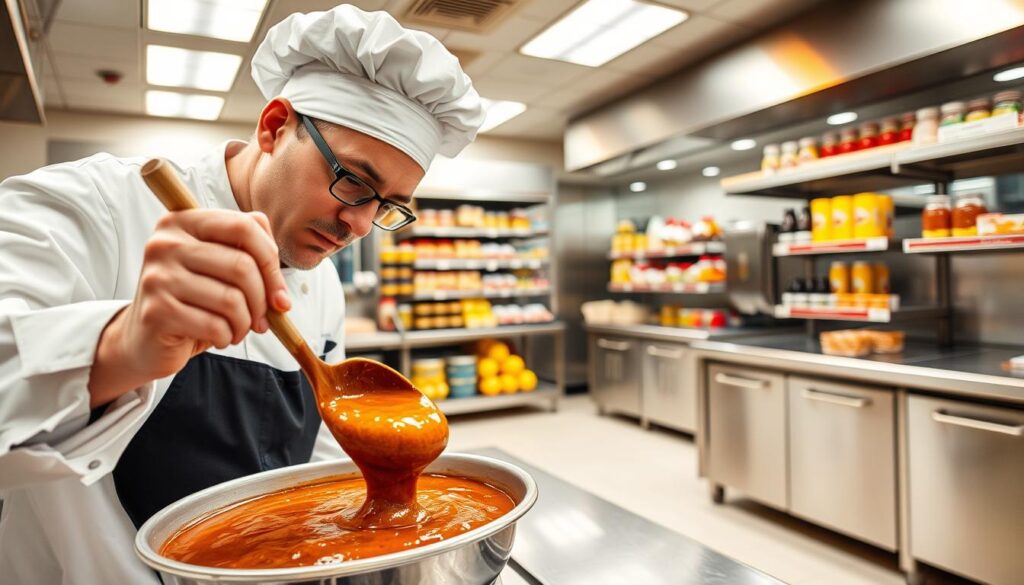
Sodium polyacrylate is one of the new ways to process and move food. Its special features help make sure food meets high quality standards.
重要な注意事項: while some food-grade polyacrylate may have been validated from a toxicity point of view, ingesting directly the powder can potentially lead to extremely dangerous occlusions.
Utilizing Sodium Polyacrylate in Environmental Remediation
Sodium polyacrylate is a big step forward in cleaning the environment. It works well for getting rid of heavy metals and purifying water. Its ability to soak up lots of water helps clean up polluted water places.
- Heavy metal ion absorption: this substance can pick up and hold onto heavy metal ions from dirty water. It’s a key player in cleaning the environment. By taking harmful metals out of water, it keeps nature and people safe.
- Water purification potential: in cleaning water, these compounds boosts how well filters work. It plays a big role in making sure water is clean and safe. This ensures water is good for drinking and helps the environment.

Applications in the Construction Industry
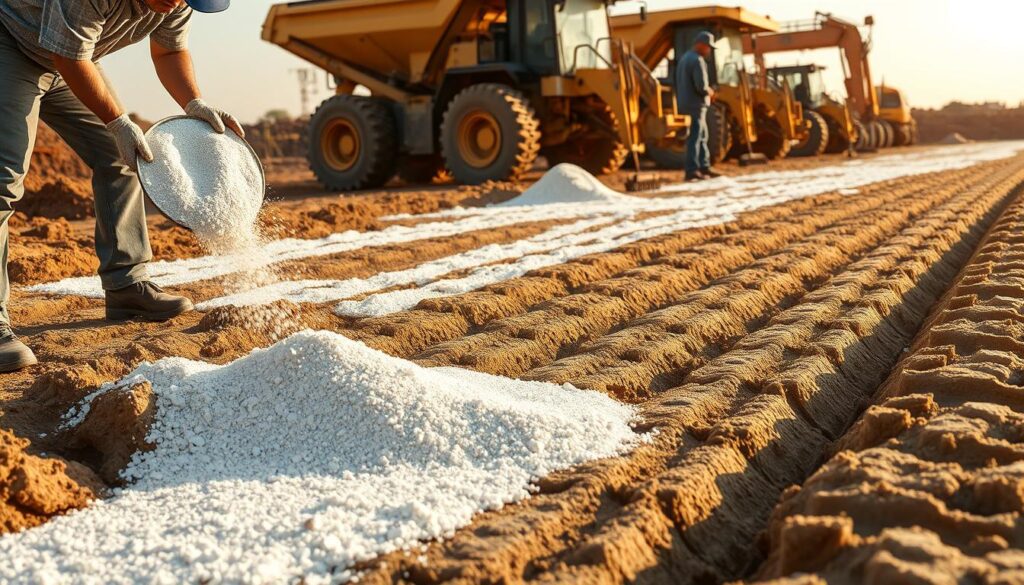
Sodium polyacrylate is crucial in construction because of its ability to hold water. Adding it to concrete mixtures lowers the water-cement ratio. This makes the concrete stronger and more durable, letting it withstand environmental challenges.
It’s also key in anti-flood bags. These bags can absorb lots of water, helping in flood control. Plus, sodium polyacrylate acts as a moisture barrier in different construction materials. It keeps harmful moisture out.
Innovations: Sodium Polyacrylate in Medical Use
Sodium polyacrylate is showing great promise in health care. It’s very versatile and useful in many medical areas. It’s important in making drug delivery systems and wound dressings better, helping patients a lot.
Drug Delivery Systems This polymer is great for delivering drugs because it’s safe for the body and controls how drugs are released. It keeps medicines stable, letting them work over time. This means treatments are more effective and don’t need to be given as often. | Wound Dressings and Medical Bandages For wound care, the absorbency of sodium polyacrylate is key. It keeps wounds dry and clean, helping them heal faster. The bandages also protect against infection and help new tissue grow. |
Sodium Polyacrylate in the Petroleum Industry
It is is key in petroleum, especially as a drilling fluid thickener. It boosts drilling by making fluids thicker. This helps carry drill cuttings to the surface effectively. It also keeps drilling fluids dense, stabilizing boreholes and preventing collapse.
It also aids in environmental protection by keeping fluids from being lost while drilling. This is essential for reducing pollution. Thus, it ensures efficient hydrocarbon extraction and meets environmental standards.
Complementary Emerging Technologies
Sodium polyacrylate isn’t just for diapers anymore. Innovators are pushing into new areas, from clothes to farming. They’re making things like ultra-absorbent fibers and new mixes with chitosan.
Super-absorbent Nanofibers Using a process called electrospinning, experts are making tiny fibers that soak up lots of moisture. These fibers use sodium polyacrylate to keep things dry. This is a big deal for products that need to stay moisture-free. | Chitosan and Sodium Polyacrylate Complexes When chitosan and sodium polyacrylate get together, they make a type of hydrogel that can heal itself. These gels can react to their surroundings. They’re being explored for uses in farming, food, and medicine. |
Challenges and Environmental Concerns
This chemical is very useful but it poses environmental challenges. One big problem is how it is thrown away. Products like diapers with sodium polyacrylate make it hard for organic stuff to break down in landfills. This creates issues with waste and makes us wonder how these materials affect our planet over time.
Scientists are working to make sodium polyacrylate more biodegradable. They are looking for better alternatives to raise its eco-friendliness. By solving these issues, we can keep enjoying its benefits while reducing harm to the earth.
| 側面 | Challenge | Potential Solutions |
|---|---|---|
| Disposal | Improper disposal in landfills | Research on biodegradable alternatives |
| Waste Management | Disruption of organic degradation | Improvement in waste processing techniques |
| 環境への影響 | Long-term presence in ecosystems | Assessment of ecological footprints |
よくある質問
ポリアクリル酸ナトリウムは、どのように水質浄化に貢献できるのでしょうか?
汚染物質を吸着し、有害な金属を汚水から除去することで、汚れた水を浄化するのに役立ちます。これにより、水を再び安全な状態にすることができます。
ポリアクリル酸ナトリウムおよび超吸収性ポリマーに関する外部リンク
国際規格
(リンクにカーソルを合わせると、コンテンツの説明が表示されます)