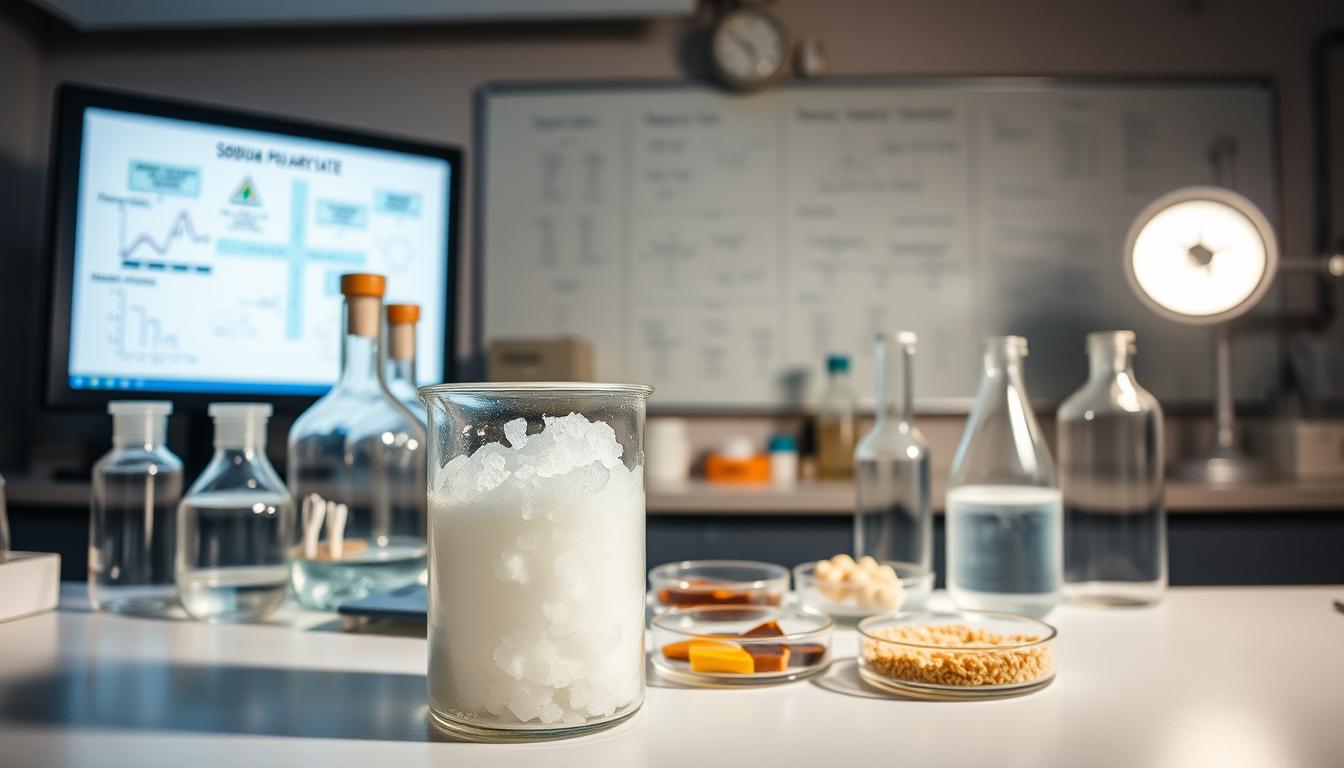
폴리아크릴산나트륨 중합체는 자체 무게의 100배에서 1000배에 달하는 물을 흡수할 수 있습니다. 이 초흡수성 중합체(SAP)는 현재 많은 산업 분야에서 중요한 역할을 하고 있으며, 제품의 수분 유지 방식을 혁신하고 효율성을 향상시켰습니다.
이 소재 하나가 농업, 위생, 환경 정화, 심지어 의학 분야에까지 폭넓게 사용된다는 사실은 그 영향력이 얼마나 큰지 보여줍니다. 이는 폴리아크릴산나트륨이 모든 분야에서 지속가능성과 성능 향상을 어떻게 이끌고 있는지를 잘 보여줍니다.
이번 리뷰는 일반적인 기술 리뷰가 아니라 화학 및 물리적 특성에 대한 리뷰입니다.
우리는 폴리아크릴산나트륨의 잠재력을 탐구할 것입니다. 비록 1960년대부터 개발되어 왔지만, 아직 상상해내야 할 많은 응용 분야가 있다고 생각하기 때문입니다.
핵심 요약
- 폴리아크릴산나트륨은 자체 무게의 100~1000배에 달하는 물을 흡수할 수 있는 초흡수성 고분자입니다.
- 이 물질은 농업 분야에서 다양하게 활용되며, 토양의 수분 보유력과 구조를 개선하는 데 도움이 됩니다.
- The polymer is also widely used in hygiene products, including baby diapers and sanitary pads.
- 폴리아크릴산나트륨은 환경 복원 노력에 중요한 역할을 합니다.
- 의료 분야의 혁신에는 약물 전달 시스템과 상처 치료 솔루션이 포함됩니다.
- 우리는 앞으로 다양한 산업 분야에서 더 많은 응용 프로그램이 등장할 것으로 기대합니다.
폴리아크릴산나트륨은 놀라운 특성으로 잘 알려진 인공 고분자입니다. 폴리아크릴산의 나트륨염 형태로, 자체 무게의 최대 1000배에 달하는 물을 흡수할 수 있습니다. 이러한 특성 덕분에 다양한 산업 분야에서 매우 중요한 소재로 사용됩니다.
이 화합물은 우리가 매일 사용하는 제품에 널리 사용됩니다. 흡수력이 뛰어나기 때문에 아기 기저귀나 성인 위생용품에서 흔히 찾아볼 수 있습니다. 또한 농업 분야에서는 토양의 수분 보유력을 높여 작물 생산량을 늘리는 데 사용됩니다. 환경에 안전하고 인체에 무해하기 때문에 많은 사람들이 선호합니다(자세한 내용은 아래 참조). 과학자들은 이 화합물을 활용하는 새로운 방법을 연구하고 있으며, 이는 여러 분야에 큰 변화를 가져올 수 있을 것으로 기대됩니다.
폴리아크릴산나트륨의 특성
이 폴리머는 칼륨 버전과 마찬가지로 다양한 용도로 활용될 수 있는 독특한 특성을 가지고 있습니다. 화학적 구성, 수분 보유량, 자연 분해 가능 여부 등을 아는 것이 중요합니다. 이러한 특성 덕분에 농업에서부터 개인 위생용품에 이르기까지 다양한 분야에서 유용하게 사용됩니다.
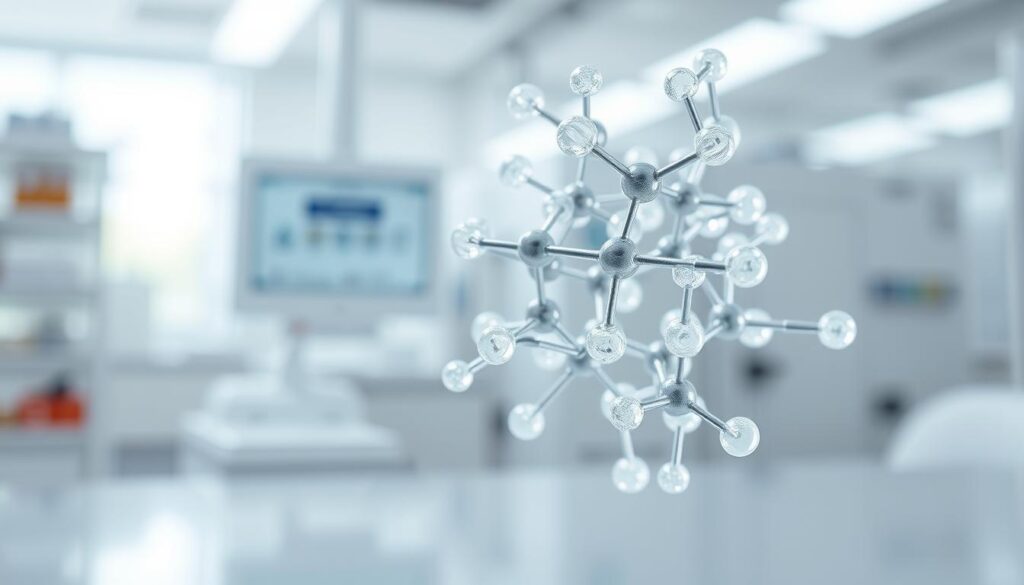
폴리아크릴산나트륨의 화학식은 (C₃H₃NaO₂)₅입니다. 구조적 특성 때문에 음이온성 고분자 전해질입니다. 물과 만나면 하이드로겔로 변합니다. 이러한 성질 덕분에 다양한 용도로 활용될 수 있습니다.
생분해 가능성: 비록 인공적으로 만들어진 물질이지만, 폴리아크릴산나트륨은 특정 조건에서 자연적으로 분해될 수 있습니다. 이는 플라스틱 폐기물을 줄이고 지구를 보호하는 방식으로 사용될 수 있음을 의미합니다.
역사적 발전
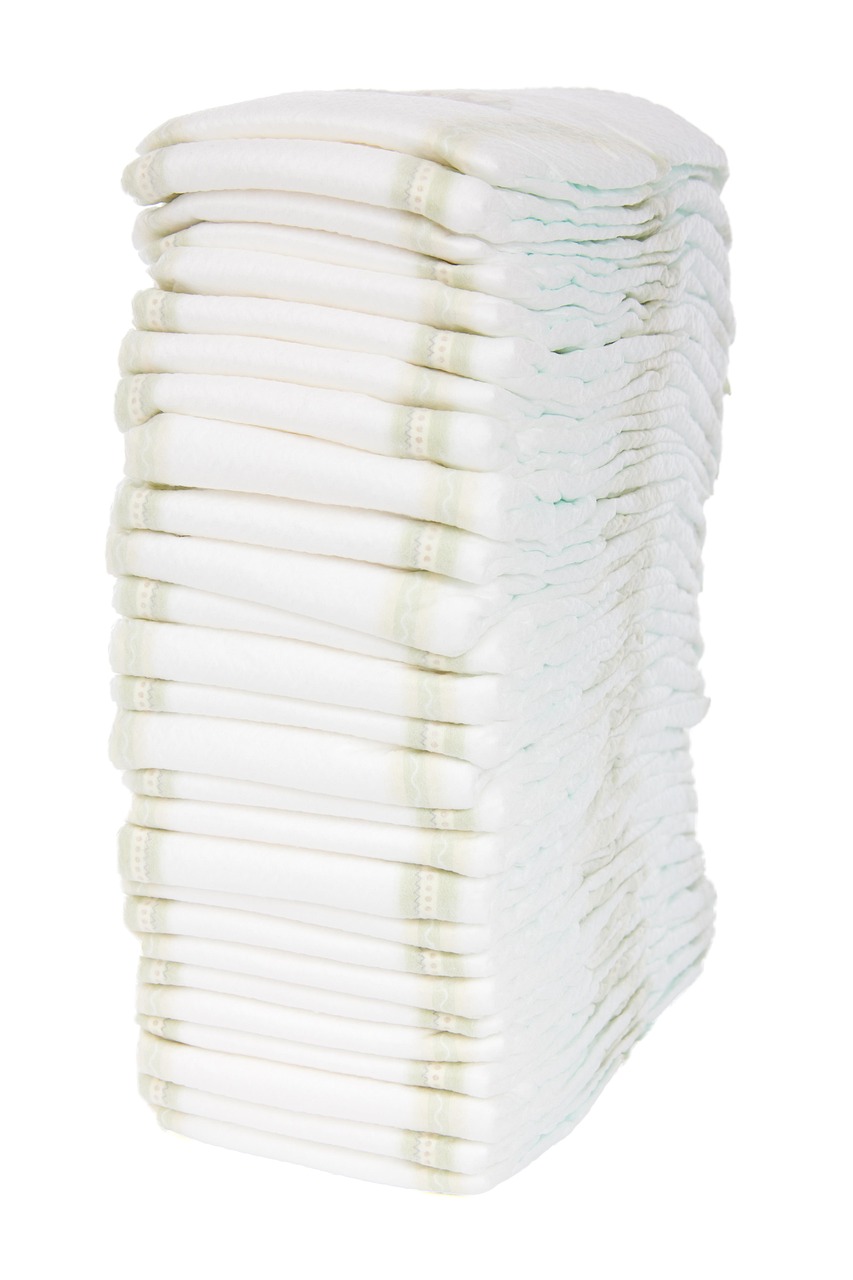
1960년대 초, 미국 농무부는 획기적인 연구를 시작했습니다. 농업용수 절약을 목표로 한 이 연구는 토양 건강 개선과 수분 보유력 향상에 기여한 초흡수성 고분자의 탄생으로 이어졌습니다.
이후 다우케미칼과 듀폰 같은 대기업들은 폴리아크릴산나트륨이 얼마나 유용한 물질인지 알게 되었습니다.
1960년대 후반과 1970년대 초에 이르러 그들은 이 제품을 널리 판매하기 시작했습니다.
이 기술 덕분에 초박형 아기 기저귀 같은 것들이 가능해졌습니다. 이 기저귀들은 효과적이고 효율적이어서 큰 인기를 얻었습니다.
Sodium Polyacrylate in Hygiene Products
Sodium polyacrylate boosts the quality of hygiene products. It’s great at absorbing and keeping moisture. This polymer is in many items that help keep people dry and safe.
| Hygiene Product | Application of Sodium Polyacrylate | 이익 |
|---|---|---|
| Baby Diapers | High absorbency and moisture retention | Prevents leaks, enhances dryness, improves skin health |
| Baby Wipes | Quick moisture absorption | Maintains cleanliness, provides comfort to infants |
| Sanitary Napkins | Fast absorption of menstrual fluid | Reduces leakage, enhances comfort, promotes discretion |
| Protective Gear | Moisture management | Ensures user comfort and safety |
Note to the video above: this illustrates one of the benefit sodium or potassium polyacrylate for agriculture, aka retaining rain into the soil. One should not forget that agriculture parameters are more complex, as keeping the soil constantly wet, without dry cycle, is not always a benefit for the plant and soil.
Sodium Polyacrylate: Applications in Agriculture
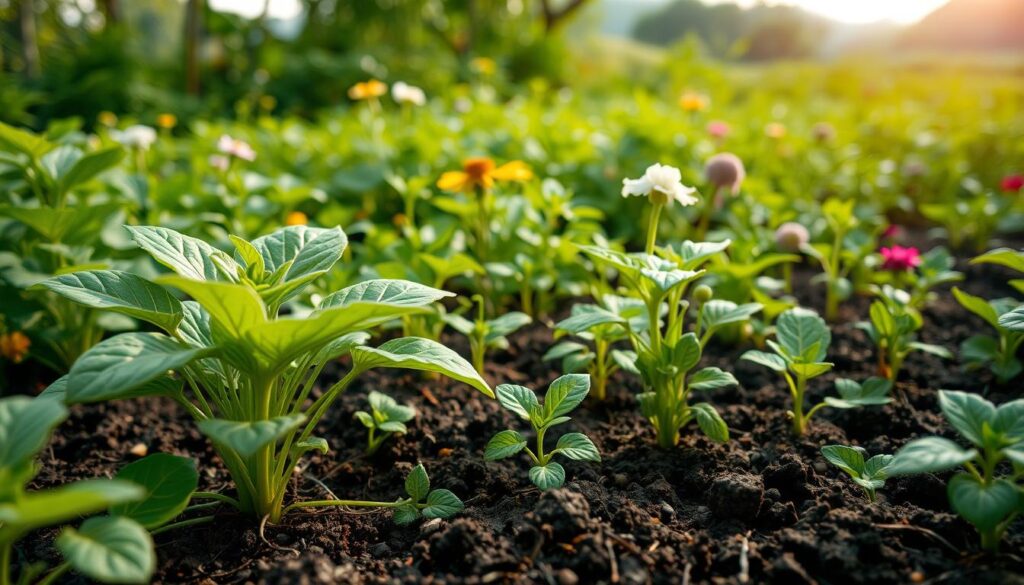
Sodium polyacrylate is becoming very popular in farming because of its amazing features. It helps improve soil water storage, leading to better plant growth. Farmers use it a lot to get more crops and save water and other important resources.
- Soil moisture retention: this polymer is great at keeping soil moist by forming strong groups that hold water. This means watering plants less often, which saves water and eases pressure on water supplies. It ensures plants get enough water, even in very dry areas.
- Improving soil structure and health: besides holding moisture, such compounds also makes soil better. It stops soil from getting too compact and helps air move through, which lets plants absorb more nutrients. This leads to healthier soil and more crops, making this polymer key for farming that cares for the environment.
- Utilization in water-retaining fertilizers: it’s also key in making special fertilizers that hold water. These fertilizers keep the soil moist and give plants the nutrients they need, vital for farming in a smart way. In dry places, such fertilizers are critical to keep crops growing strong.
Sodium Polyacrylate in the Food Industry
This polymer has many uses in the food industry. It acts as a thickener and stabilizer to improve food texture. This makes sure products look and feel just right to customers. It helps food keep its perfect thickness, raising the food’s quality.
This substance is great at holding onto water. This is super helpful for keeping food fresh when it’s packed. It stops food from drying out, making it last longer. So, even when food is moved or stored, it stays tasty and fresh for customers.
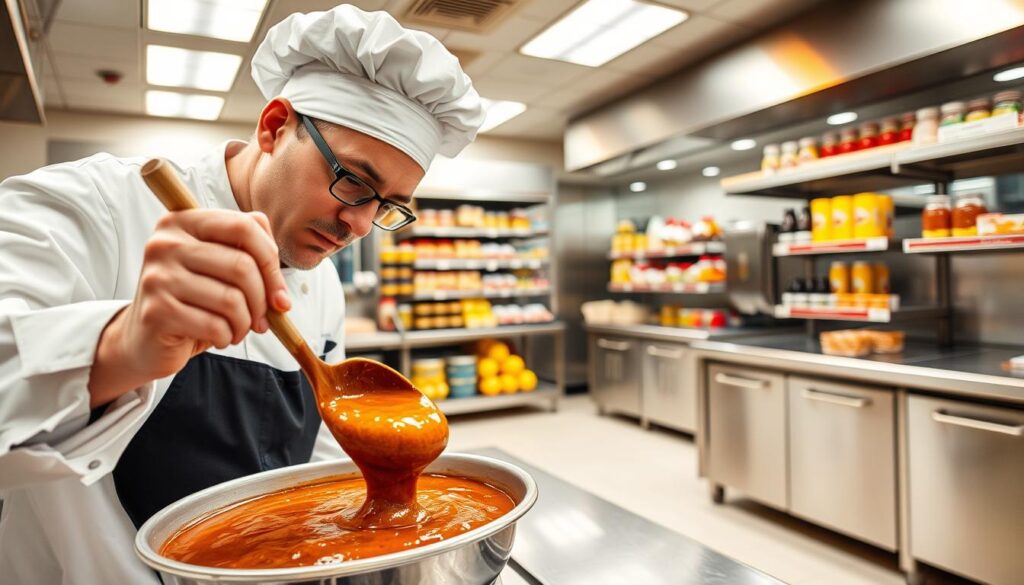
Sodium polyacrylate is one of the new ways to process and move food. Its special features help make sure food meets high quality standards.
중요 사항: while some food-grade polyacrylate may have been validated from a toxicity point of view, ingesting directly the powder can potentially lead to extremely dangerous occlusions.
Utilizing Sodium Polyacrylate in Environmental Remediation
Sodium polyacrylate is a big step forward in cleaning the environment. It works well for getting rid of heavy metals and purifying water. Its ability to soak up lots of water helps clean up polluted water places.
- Heavy metal ion absorption: this substance can pick up and hold onto heavy metal ions from dirty water. It’s a key player in cleaning the environment. By taking harmful metals out of water, it keeps nature and people safe.
- Water purification potential: in cleaning water, these compounds boosts how well filters work. It plays a big role in making sure water is clean and safe. This ensures water is good for drinking and helps the environment.

Applications in the Construction Industry
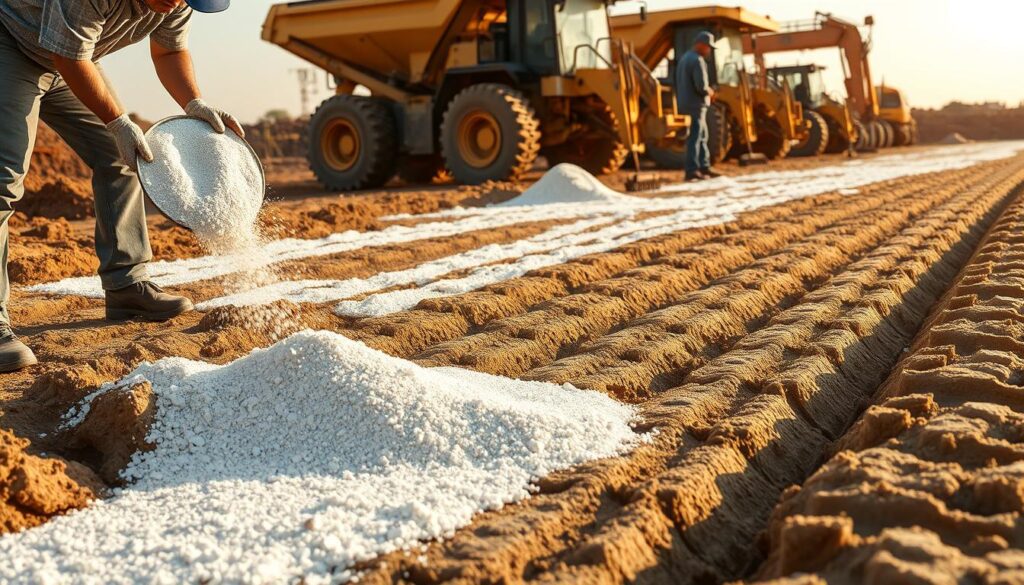
Sodium polyacrylate is crucial in construction because of its ability to hold water. Adding it to concrete mixtures lowers the water-cement ratio. This makes the concrete stronger and more durable, letting it withstand environmental challenges.
It’s also key in anti-flood bags. These bags can absorb lots of water, helping in flood control. Plus, sodium polyacrylate acts as a moisture barrier in different construction materials. It keeps harmful moisture out.
Innovations: Sodium Polyacrylate in Medical Use
Sodium polyacrylate is showing great promise in health care. It’s very versatile and useful in many medical areas. It’s important in making drug delivery systems and wound dressings better, helping patients a lot.
Drug Delivery Systems This polymer is great for delivering drugs because it’s safe for the body and controls how drugs are released. It keeps medicines stable, letting them work over time. This means treatments are more effective and don’t need to be given as often. | Wound Dressings and Medical Bandages For wound care, the absorbency of sodium polyacrylate is key. It keeps wounds dry and clean, helping them heal faster. The bandages also protect against infection and help new tissue grow. |
Sodium Polyacrylate in the Petroleum Industry
It is is key in petroleum, especially as a drilling fluid thickener. It boosts drilling by making fluids thicker. This helps carry drill cuttings to the surface effectively. It also keeps drilling fluids dense, stabilizing boreholes and preventing collapse.
It also aids in environmental protection by keeping fluids from being lost while drilling. This is essential for reducing pollution. Thus, it ensures efficient hydrocarbon extraction and meets environmental standards.
Complementary Emerging Technologies
Sodium polyacrylate isn’t just for diapers anymore. Innovators are pushing into new areas, from clothes to farming. They’re making things like ultra-absorbent fibers and new mixes with chitosan.
Super-absorbent Nanofibers Using a process called electrospinning, experts are making tiny fibers that soak up lots of moisture. These fibers use sodium polyacrylate to keep things dry. This is a big deal for products that need to stay moisture-free. | Chitosan and Sodium Polyacrylate Complexes When chitosan and sodium polyacrylate get together, they make a type of hydrogel that can heal itself. These gels can react to their surroundings. They’re being explored for uses in farming, food, and medicine. |
Challenges and Environmental Concerns
This chemical is very useful but it poses environmental challenges. One big problem is how it is thrown away. Products like diapers with sodium polyacrylate make it hard for organic stuff to break down in landfills. This creates issues with waste and makes us wonder how these materials affect our planet over time.
Scientists are working to make sodium polyacrylate more biodegradable. They are looking for better alternatives to raise its eco-friendliness. By solving these issues, we can keep enjoying its benefits while reducing harm to the earth.
| 측면 | Challenge | Potential Solutions |
|---|---|---|
| Disposal | Improper disposal in landfills | Research on biodegradable alternatives |
| Waste Management | Disruption of organic degradation | Improvement in waste processing techniques |
| 환경적 영향 | Long-term presence in ecosystems | Assessment of ecological footprints |
자주 묻는 질문
폴리아크릴산나트륨은 어떻게 물 정화에 기여할 수 있을까요?
오염 물질을 흡착하고 오염된 물에서 유해한 금속을 제거함으로써 더러운 물을 정화하는 데 도움이 될 수 있습니다. 이는 물을 다시 안전하게 만드는 데 기여할 수 있습니다.
폴리아크릴산나트륨 및 초흡수성 고분자에 관한 외부 링크
국제 표준
(링크 위에 마우스를 올려놓으면 콘텐츠에 대한 설명을 볼 수 있습니다.)