Phytoremediation
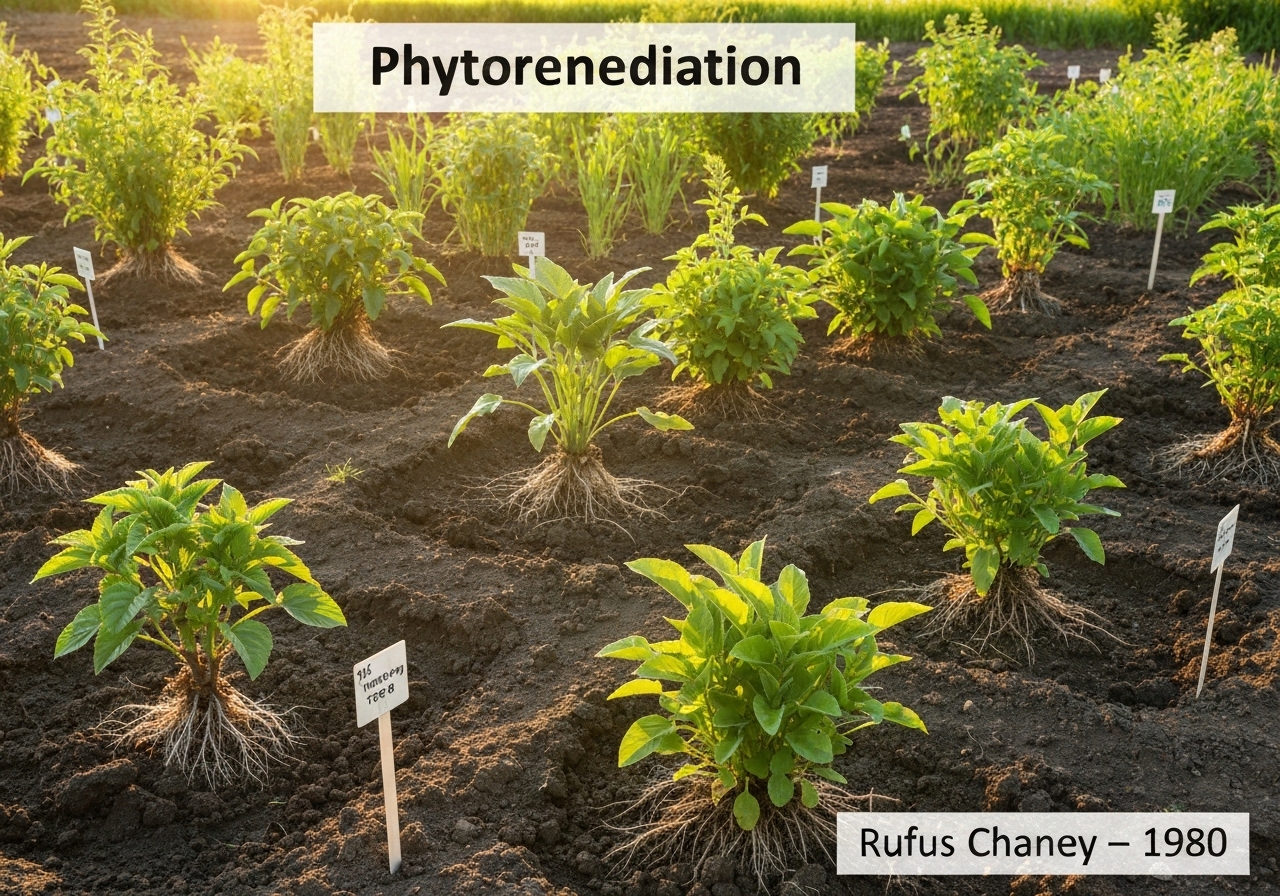
Phytoremediation is a bioremediation process that uses various types of plants to remove, transfer, stabilize, or destroy contaminants in soil and groundwater. This low-cost, solar energy-driven technique is effective for cleaning up sites with low to moderate levels of contamination. Different mechanisms are involved, including phytoextraction (uptake into harvestable plant tissues), phytodegradation (breakdown of contaminants), and phytostabilization (reducing mobility).
Phytoremediation harnesses the natural abilities of plants to remediate contaminated environments. The process is multifaceted, relying on several distinct mechanisms. Phytoextraction, or phytoaccumulation, involves plants absorbing contaminants, particularly heavy metals, from the soil through their roots and translocating them to the harvestable above-ground biomass (shoots and leaves). These plants, known as hyperaccumulators, can then be harvested and disposed of, effectively removing the metals from the site. Phytodegradation refers to the breakdown of complex organic contaminants into simpler, less toxic molecules by plant enzymes, either internally or externally through root exudates that stimulate microbial activity in the rhizosphere. Phytostabilization aims to reduce the mobility and bioavailability of contaminants in the soil. Plants achieve this by absorbing and precipitating contaminants onto their roots, or by altering soil chemistry to immobilize them, thereby preventing their migration into groundwater or the food chain.
Another mechanism is phytovolatilization, where plants take up contaminants and release them into the atmosphere in a modified, less toxic form through transpiration. While effective for certain volatile compounds like mercury or selenium, this simply transfers the pollutant to another medium. The selection of appropriate plant species is critical and depends on the specific contaminants, climate, and soil conditions. Phytoremediation is considered an aesthetically pleasing, eco-friendly “Green” technology, but it is generally a slower process compared to conventional engineering methods and is limited by the depth of the plant roots.
UNESCO Nomenclature: 2505
– Ecology
Precursors
- understanding of plant physiology and nutrient uptake
- discovery of hyperaccumulating plant species
- knowledge of soil chemistry and contaminant bioavailability
- agricultural practices for managing soil health
Applications
- cleanup of heavy metal contaminated soils (e.g., lead, cadmium, arsenic)
- remediation of sites with organic pollutants like petroleum hydrocarbons
- hydraulic control of groundwater plumes
- riparian buffers to filter agricultural runoff
- brownfield site redevelopment
Potential Innovations Ideas
Due to scrapping bot traffic, currently more than 40k per day, this content is reserved to community members.
> Login < or > Register < (100% free) to access this, so as all other restricted content and tools.
Related to: phytoremediation, plants, heavy metals, soil contamination, groundwater, phytoextraction, phytodegradation, phytostabilization, hyperaccumulator, green technology.