Product Design, Manufacturing & Innovation Resources
Home » Good Manufacturing Practice (GMP)

Good Manufacturing Practice (GMP)

1960
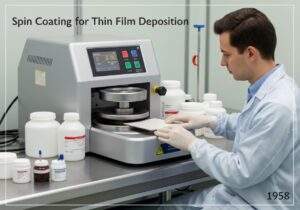
Pharmaceutical manufacturing facility demonstrating Good Manufacturing Practice standards.

(generated image for illustration only)

Good Manufacturing Practice (GMP) is a system of regulations and guidelines ensuring that pharmaceutical products are consistently produced and controlled according to quality standards. It covers all aspects of production, from the starting materials, premises, and equipment to the training and personal hygiene of staff. GMP is designed to minimize the risks involved in any pharmaceutical production.

Good Manufacturing Practice (GMP) represents the minimum standard that a medicines manufacturer must meet in their production processes. The core principle of GMP is that quality cannot be tested into a final product; it must be built into the product during all stages of manufacturing. This proactive approach is critical because failures in quality can have life-threatening consequences. GMP guidelines provide a framework for managing production and quality control, often referred to as cGMP, with the ‘c’ standing for ‘current’, emphasizing that the standards must be up-to-date with the latest technology and scientific understanding. Key components of GMP include robust quality management systems, stringent control over raw materials, validated manufacturing processes, and comprehensive documentation. Every step, from receiving raw materials to shipping the final product, must be documented in detail. This creates a traceable batch record that can be audited to ensure compliance and investigate any deviations or product defects. Personnel must be properly trained for their specific roles, and facilities must be designed and maintained to prevent contamination, mix-ups, and errors. Equipment must be calibrated, cleaned, and validated to ensure it performs as intended. Adherence to GMP is enforced by national regulatory agencies, such as the Food and Drug Administration (FDA) in the United States and the European Medicines Agency (EMA) in Europe, through regular inspections of manufacturing facilities. Failure to comply can result in product recalls, fines, and even facility shutdowns.

UNESCO Nomenclature: 3308
– Pharmacy

Type

Abstract System

Disruption

Substantial

Usage

Widespread Use

Precursors

  • the 1938 federal food, drug, and cosmetic act in the US, which mandated pre-market safety approval
  • the Thalidomide tragedy of the late 1950s and early 1960s, which highlighted severe gaps in drug regulation and testing
  • advances in industrial process control and quality management theories from other industries

Applications

  • manufacturing of prescription and over-the-counter drugs
  • production of vaccines and biologics
  • manufacturing of medical devices
  • production of active pharmaceutical ingredients (apis)
  • quality control in the food and cosmetics industries

Patents:

NA

Potential Innovations Ideas

Due to scrapping bot traffic, currently more than 40k per day, this content is reserved to community members.
> Login < or > Register < (100% free) to access this, so as all other restricted content and tools.

Related to: GMP, cGMP, quality control, quality assurance, pharmaceutical manufacturing, fda, regulation, drug safety, validation, batch record.

Historical Context

Good Manufacturing Practice (GMP)

1958
1960
1960
1960
1960
1960
1960
1956
1960
1960
1960
1960
1960
1960
1960

(if date is unknown or not relevant, e.g. "fluid mechanics", a rounded estimation of its notable emergence is provided)

Related Invention, Innovation & Technical Principles

Full size images and downloads are only available, 100% free, for registered members.

> Login <