Product Design, Manufacturing & Innovation Resources
Home » The Energy Star Program

The Energy Star Program

1992
  • U.S. Environmental Protection Agency
  • U.S. Department of Energy
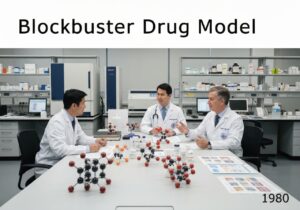
Collaborative meeting on energy-efficient product development in environmental policy.

(generated image for illustration only)

Energy Star is a voluntary labeling program launched in 1992 by the U.S. Environmental Protection Agency (EPA). Its primary goal is to help consumers and businesses identify and purchase energy-efficient products. This initiative aims to reduce energy consumption, lower greenhouse gas emissions, and mitigate climate change without sacrificing performance, features, or comfort.


The Energy Star program was established under the authority of the Clean Air Act, Section 103(g), and was introduced by the U.S. Environmental Protection Agency (EPA) as a structured voluntary program. The initial concept, championed by John S. Hoffman of the EPA, was to create a market-based mechanism to reduce pollution. Instead of traditional command-and-control regulation, Energy Star provided a positive incentive for manufacturers to innovate and produce more energy-efficient products. The program began by targeting a single product category: computers and monitors. The iconic blue Energy Star logo was designed to be a simple, credible, and easily recognizable symbol for consumers. The program’s partnership model was a key novelty; it engaged manufacturers, retailers, and utilities to promote the label and the products that earned it. This collaborative approach helped accelerate the adoption of energy-efficient technologies by aligning environmental goals with economic benefits for both producers and consumers, such as lower electricity bills. The program’s success in the IT sector led to its rapid expansion into other areas.

UNESCO Nomenclature: 5312
– Environmental sciences

Type

Abstract System

Disruption

Substantial

Usage

Widespread Use

Precursors

  • the concept of government-led environmental regulation (e.g., clean air act of 1970)
  • the rise of the environmental movement in the 1970s and 80s
  • corporate total quality management (tqm) principles applied to environmental performance
  • early appliance efficiency standards in states like california

Applications

  • widespread consumer awareness of energy efficiency
  • development of energy-efficient product markets
  • similar ECO-labeling programs worldwide (e.g., EU energy label)
  • corporate sustainability reporting

Patents:

NA

Potential Innovations Ideas

  • dynamic energy efficiency standards for smart home devices that adjust based on grid demand
  • an Energy Star rating for software and cloud services based on computational efficiency
  • a “circular economy” certification integrated with energy star for product repairability and recyclability
  • energy star for electric vehicle charging infrastructure efficiency
  • gamified mobile app for tracking household energy savings through star-certified products
  • an energy star label for ai models based on their training and inference energy consumption
  • certification for buildings that utilize passive heating and cooling technologies effectively
  • a tiered labeling system indicating the percentage of recycled materials used in an energy star product
  • energy star certification for personal carbon capture devices
  • a program to certify energy-efficient data transmission protocols
Related to: Energy Star, EPA, DOE, energy efficiency, voluntary program, ECO-labeling, greenhouse gas reduction, consumer products, environmental policy, 1992.

Historical Context

The Energy Star Program

1980
1983
1990
1992
1994
1995
2000
1980
1982
1986
1990
1992
1995
1995
2000

(if date is unknown or not relevant, e.g. "fluid mechanics", a rounded estimation of its notable emergence is provided)

10th year anniversary

Full size images and downloads are only available, 100% free, for registered members.

> Login <