Did you know every year we throw away materials worth about $2.6 trillion? These are from goods we use quickly and then discard. This large number shows we need to find eco-friendly ways to make and design products. By following circular economy ideas, Europe could see an income rise of €1.8 trillion by 2030.
A circular economy tries to get rid of waste and pollution. It aims to keep products and materials being used longer. It also helps nature renew itself. These goals help lessen the harm to our environment and boost the economy. This comes from promoting the use of products for a longer time and recycling.
Introducing circular design principles उत्पाद निर्माण में चक्रीयता को शामिल करना महत्वपूर्ण है। इससे पुराने, रैखिक तरीकों से हटकर नए, चक्रीय तरीकों को अपनाने में मदद मिलती है जो लंबे समय तक टिकते हैं। उत्पाद निर्माण के शुरुआती चरण में ही अपशिष्ट और प्रदूषण के मूल कारण का पता लगाना आवश्यक है। डिज़ाइन और विकास में मिलकर काम करने से मूल्यवान नए समाधान तैयार किए जा सकते हैं। इससे यह सुनिश्चित होता है कि चक्रीयता प्रत्येक उत्पाद की विकास यात्रा का अभिन्न अंग है।
मुख्य बातें
- Each year, $2.6 trillion worth of quick-use goods are thrown away.
- Using circular economy ideas could huge economic wins, like €1.8 trillion a year for Europe by 2030.
- Design thinking focuses on creating things that are good for the planet.
- Circular design tries to stop waste and pollution before they start.
- में मिलकर काम करना उत्पादन रूप सर्कुलर इकोनॉमी में नए, लाभदायक रास्ते खोल सकता है।.
What is a Circular Economy?
चक्रीय अर्थव्यवस्था को समझना पर्यावरण के अनुकूल और टिकाऊ विकल्पों के लिए महत्वपूर्ण है। यह पुरानी "लेना-बनाना-निपटाना" पद्धति से हटकर एक ऐसी प्रणाली की ओर ले जाती है जो चीजों को लंबे समय तक उपयोग में रखती है। उत्पादों के डिजाइन और उपयोग के तरीकों पर पुनर्विचार करके, हम संसाधनों को बिना किसी बर्बादी के उपयोग में रख सकते हैं।
Definition and Overview
The circular economy helps businesses, people, and the planet. It grows the economy without using up all our resources. This approach makes products that last longer, can be fixed, reused, and recycled.
Importance of Circular Economy
Embracing circular economy ideas is hugely beneficial. For companies, it means saving money, keeping customers happy, and using less. It also means less trash and harm to nature, helping the planet heal.
Main Principles
The circular economy stands on three big ideas:
- Design out waste and pollution: We start by removing waste and pollution from the get-go. Through smart design and energy-saving measures, we make a difference.
- Keep products and materials in use: This idea encourages making things that last. By focusing on durability and repair, some companies focus on producing products that stay useful longer.
- Regenerate natural systems: This principle aims to fix and improve nature. By changing how businesses work, they help restore the environment.
| Principle | Focus Area |
|---|---|
| Design out waste and pollution | जीवन चक्र सोच, ऊर्जा दक्षता |
| Keep products and materials in use | Durability, Modularity, Repairability |
| Regenerate natural systems | बंद लूप सप्लाई श्रृंखला |
Thus, the circular economy is a key part of eco-friendly design and sustainable business for the future.
Circular Design Principles: An Overview
Circular design principles are key to a sustainable future. They drive innovation and change how we live. These principles are worth a lot, about a trillion dollars globally.
Eliminate Waste and Pollution
Getting rid of waste and pollution is a main goal of circular design. Companies are making durable, fixable products to lessen waste. Using digital tools to use resources better and recycling materials helps the environment a lot. These efforts make companies more competitive too.
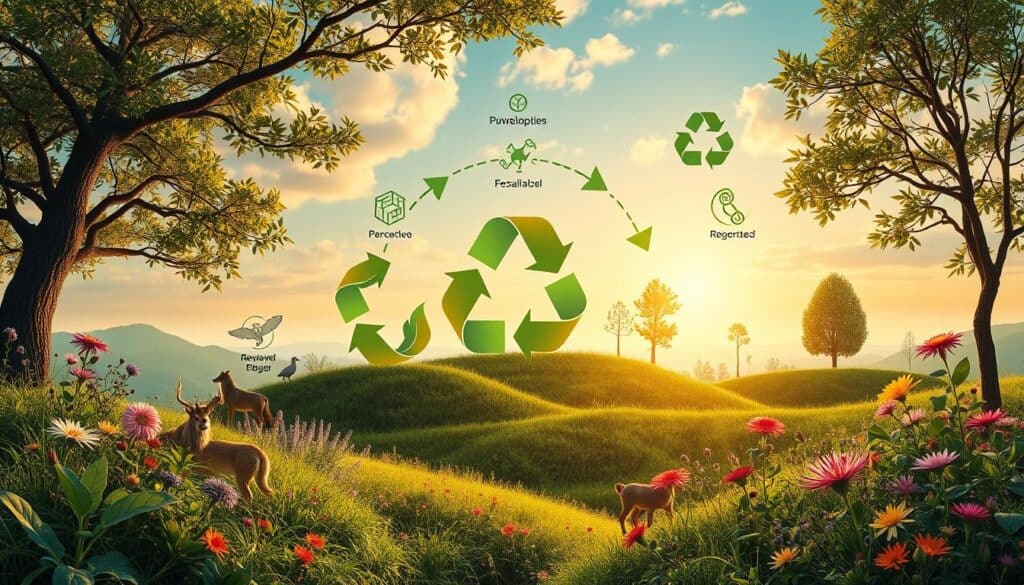
Circulate Products and Materials
Keeping products and materials in use is central to circular design.
Designing things to last longer by making them easy to take apart and put back together.
Companies are moving away from the one-use mindset to embrace reuse and recycling. Zipcar and smart building tech show how using resources well reduces waste. This matches circular economy goals.
Regenerate Nature
The third principle is to help nature heal. Using materials that can be fully recycled or upcycled is good for products and the planet. Working together, companies and schools are focusing on making nature better. This makes regeneration a key aim in circular economy efforts.
The rest of this article is reserved for members
To limit scraping bots (currently 40,000 hits per day!),
we had to restrict access to full articles and tools to registered members only.
to access all the rest.
अक्सर पूछे जाने वाले प्रश्न
What is a circular economy?
चक्रीय अर्थव्यवस्था चीजों के निर्माण और उपयोग के बारे में सोचने का एक नया तरीका है। इससे सभी को लाभ होता है – व्यवसाय, समाज और हमारा ग्रह। पारंपरिक "लेना-बनाना-अपशिष्ट" पद्धति के बजाय, इसका उद्देश्य अपशिष्ट को समाप्त करना, उत्पादों को उपयोग में बनाए रखना और प्रकृति को फलने-फूलने में मदद करना है।
Why is the circular economy important?
The circular economy matters because it leads to less waste and smarter use of resources. It makes products last longer and reduces harm to our planet. This way, we can grow economically without using up all our natural resources.
What are the main principles of a circular economy?
Its main ideas are to cut down on waste and pollution, keep things in use, and improve nature. These ideas help us move towards an economic system that heals the planet.
What are circular design principles?
Circular design focuses on stopping waste and pollution, keeping things circulating, and healing nature. These key points guide us in making products for a better tomorrow.
How does circular design differ from sustainable design and ecodesign?
सतत डिजाइन पर्यावरण को होने वाले नुकसान को कम करता है, और परिस्थितिस्वरूप प्रारूप उत्पादों को अधिक कुशल और कम हानिकारक बनाने पर ध्यान केंद्रित किया जाता है। चक्रीय डिजाइन का लक्ष्य इससे भी कहीं अधिक है – यह सामग्रियों का पूर्णतः पुन: उपयोग करके अपशिष्ट-मुक्त भविष्य का निर्माण करने का प्रयास करता है।
What are attributes of sustainable product design?
सतत डिजाइन नवीकरणीय सामग्रियों का उपयोग करता है और ऊर्जा बचाता है। इससे ऐसे उत्पाद बनते हैं जो अधिक समय तक चलते हैं। ये कदम उत्पाद के पूरे जीवनकाल में हमारे ग्रह को स्वस्थ रखने में मदद करते हैं।
What strategies can designers use for circular economy product development?
Designers can make products modular, adaptable, and suitable for upcycling. This way, products serve us better and support a greener economy.
What is design for recycling?
Designing for recycling means choosing materials and making products easy to take apart. This way, we can reuse parts and reduce rubbish.
What are some examples of upcycling in product design?
अपसाइक्लिंग से पुरानी सामग्रियों को नई, मूल्यवान वस्तुओं में बदला जा सकता है। उदाहरण के लिए, बेकार लकड़ी से बनी मेजें या पुनर्चक्रित लकड़ी से बने गहने। प्लास्टिकयह दृष्टिकोण सामग्रियों को नया जीवन प्रदान करता है।
What are sustainable manufacturing techniques?
Sustainable manufacturing uses less energy, opts for renewable sources, and minimizes waste. Advances in tech have made production cleaner and more planet-friendly.
Can you provide some case studies of successful circular product design implementation?
Yes, there are great examples. Patagonia reuses materials for clothes, and Philips makes easy-to-recycle appliances. These success stories show circular design in action.
What role do eco-friendly materials play in circular design?
पर्यावरण के अनुकूल सामग्री उत्पाद के पर्यावरणीय प्रभाव को कम करती है। ये टिकाऊ होती हैं, इनके निर्माण में कम नुकसान होता है और उपयोग समाप्त होने पर इन्हें पुनर्चक्रित किया जा सकता है।
What are current challenges in circular economy product development?
आज की चुनौतियों में तकनीकी सीमाएं, बाजार की तैयारी और नियम शामिल हैं। ये मुद्दे चक्रीय डिजाइन के प्रसार को धीमा कर सकते हैं।
What opportunities exist for circular economy innovation?
The circular economy opens doors for creative solutions and business growth. Companies that embrace it can lead in green innovation, attracting eco-aware customers and earning long-term rewards.
How can companies implement circular economy principles in product design?
Companies can use circular principles by thinking holistically, collaborating widely, and always innovating. They should focus on making things modular, recyclable, and eco-friendly, from start to finish.
चक्रीय अर्थव्यवस्था पर बाहरी लिंक
अंतर्राष्ट्रीय मानक
(सामग्री का हमारा विवरण देखने के लिए लिंक पर होवर करें)
प्रयुक्त शब्दों की शब्दावली
Design for Disassembly (DfD): एक ऐसा डिज़ाइन दृष्टिकोण जो उत्पाद के जीवन चक्र के अंत में घटकों और सामग्रियों को आसानी से अलग करने की सुविधा प्रदान करता है, जिससे पुनर्चक्रण, पुनः उपयोग और कुशल अपशिष्ट प्रबंधन को बढ़ावा मिलता है। यह स्थिरता को बढ़ाने और पर्यावरणीय प्रभाव को कम करने के लिए मॉड्यूलरिटी और सुलभता पर ज़ोर देता है।
Life Cycle Assessment (LCA): कच्चे माल के निष्कर्षण से लेकर उत्पादन, उपयोग और निपटान तक, उत्पाद के जीवन के सभी चरणों से जुड़े पर्यावरणीय प्रभावों का एक व्यवस्थित विश्लेषण, जिसका उद्देश्य सुधार के अवसरों की पहचान करना और निर्णय लेने में सहायता प्रदान करना है।
Product Lifecycle Management (PLM): उत्पाद के जीवनचक्र को उसकी शुरुआत से लेकर, इंजीनियरिंग डिजाइन और विनिर्माण, सेवा और निपटान तक प्रबंधित करने के लिए एक व्यवस्थित दृष्टिकोण, जो उत्पाद की गुणवत्ता में सुधार, बाजार में आने के समय को कम करने और हितधारकों के बीच सहयोग बढ़ाने के लिए लोगों, प्रक्रियाओं, डेटा और प्रौद्योगिकी को एकीकृत करता है।
Upcycle: अपशिष्ट पदार्थों या अवांछित उत्पादों को रचनात्मक पुन: उपयोग या पुनर्उद्देश्यीकरण के माध्यम से उच्च गुणवत्ता या मूल्य की नई वस्तुओं में परिवर्तित करना, जिससे पर्यावरणीय प्रभाव को कम किया जा सके और स्थिरता को बढ़ावा दिया जा सके।