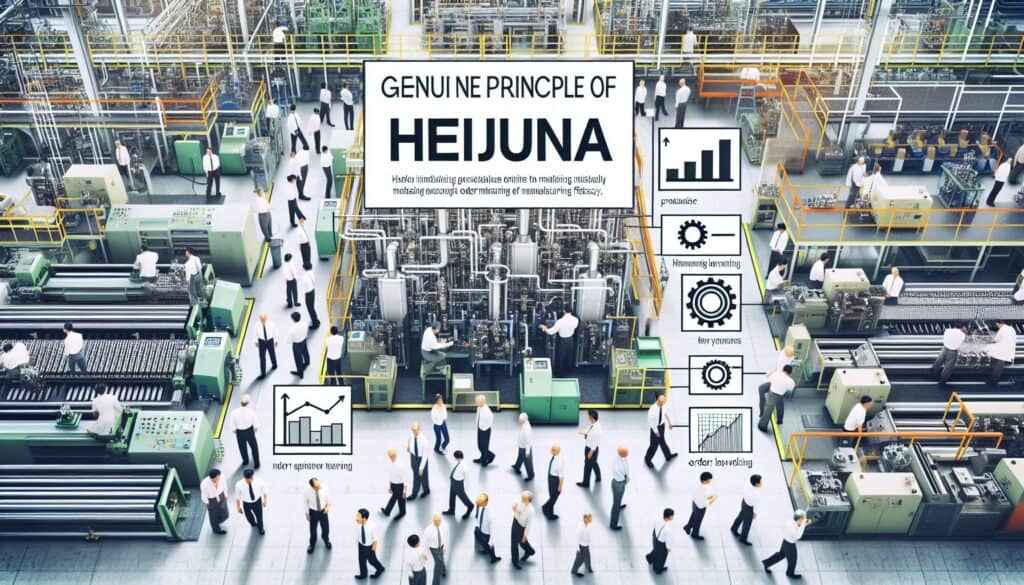
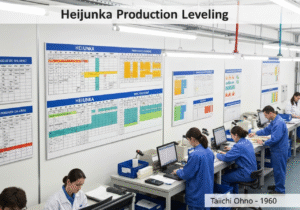
Heijunka, or level scheduling, finds extensive application across various industries such as automotive, electronics, and consumer goods, where maintaining a steady flow of production is vital. In the automotive sector, for example, manufacturers often implement Heijunka to synchronize production rates across different models, ensuring that assembly lines operate smoothly regardless of demand fluctuations. This methodology is especially advantageous during the implementation phase of lean manufacturing practices, as it requires initial planning and commitment from all stakeholders, including production managers, supply chain coordinators, and quality assurance teams. Participants typically analyze historical sales data and forecast trends to design a balanced production schedule that accommodates different product variants, reducing the tendency to overproduce some items while underproducing others. Engaging cross-functional teams can enhance collaboration and communication, mitigating risks associated with stockouts or excess inventory. Heijunka also emphasizes continuous improvement practices, prompting teams to regularly evaluate workload distribution and resource utilization to identify areas for enhancement. Companies that successfully implement level scheduling often report increased flexibility, as they can swiftly adapt to market changes without significant disruptions, subsequently improving customer satisfaction and promoting long-term sustainability. With a focus on minimizing waste through consistent production output, organizations can achieve smoother workflows that contribute to enhanced operational efficiency and reduced costs, reinforcing the broader principles of lean manufacturing.
该方法的关键步骤
分析当前生产流程,找出需求和产能的变化情况。
通过平衡客户需求和可用资源来确定理想的生产率。
将具有相似加工要求的产品细分为不同的系列,以便于均衡生产。
制定生产计划,将工作量均匀分配到指定的时间范围内。
实施拉动式生产系统,使生产与实际需求保持一致,减少库存积压。
根据不断变化的需求模式,定期审查并调整生产计划。
对员工进行均衡化生产原则和实践方面的培训,以确保遵守均衡化生产计划。
监测关键绩效指标,以评估均衡策略的有效性。
专业提示
Implement takt time calculations at each workstation to synchronize production rates with customer demand, minimizing variability in output.
Utilize visual management tools, such as Kanban boards, to monitor workflow and adjust production schedules in real time, supporting continuous improvement.