合金中的原子排列
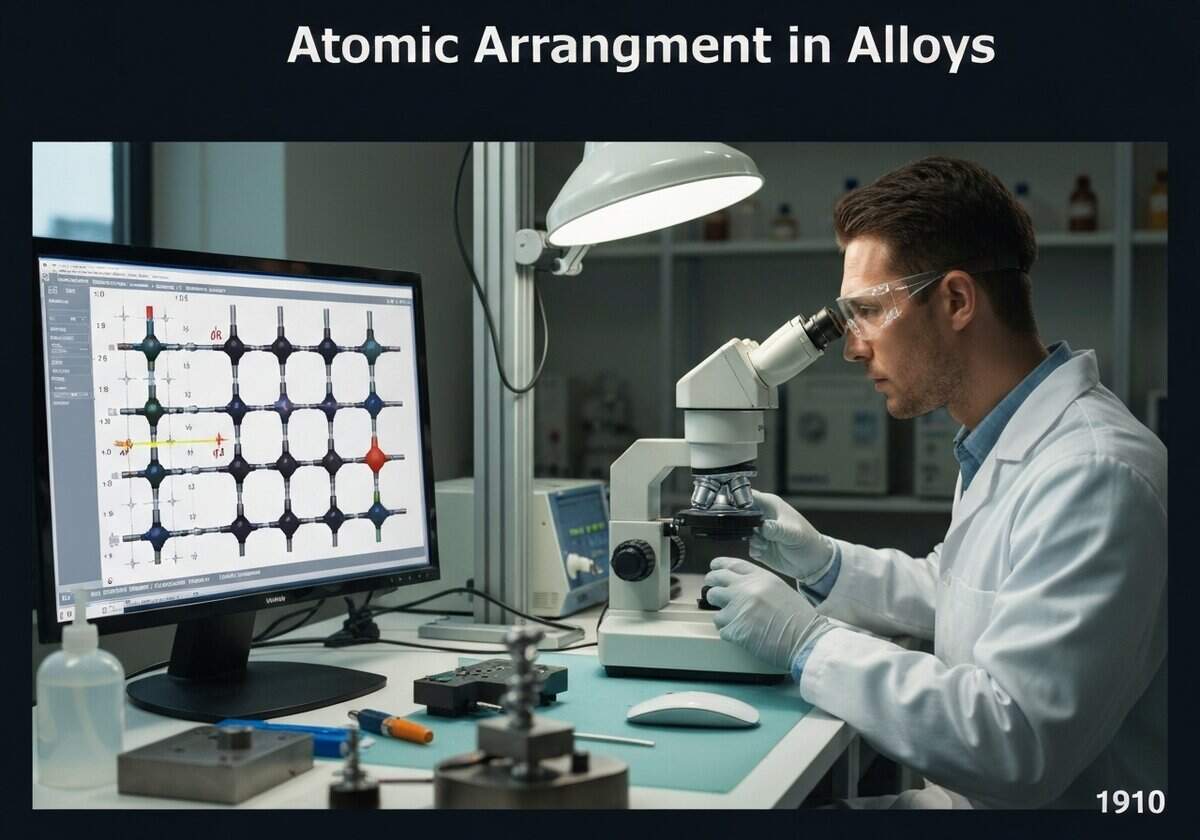
Alloys are classified based on atomic arrangement. In substitutional alloys, atoms of the solute element replace atoms of the solvent in the crystal lattice, common when atomic sizes are similar. In interstitial alloys, smaller solute atoms, like carbon in iron, fit into the spaces (interstices) between the larger solvent atoms. This structural difference fundamentally dictates the alloy’s mechanical properties.
The distinction between substitutional and interstitial solid solutions is fundamental to physical metallurgy and alloy design. The type of solid solution that forms is primarily governed by the relative sizes of the solute and solvent atoms. Substitutional alloys typically form when the atomic radii of the two elements are within about 15% of each other, a guideline known as the Hume-Rothery size-factor rule. When a solute atom replaces a solvent atom, it introduces localized lattice strain, which impedes dislocation motion and thus increases the material’s strength and hardness, but often reduces its 延展性. Examples include brass (zinc in copper) and bronze (tin in copper).
Interstitial alloys, on the other hand, form when the solute atoms are significantly smaller than the solvent atoms, allowing them to occupy the interstitial sites within the crystal lattice without displacing a solvent atom. Common interstitial atoms are 氢, boron, carbon, and nitrogen. The presence of these atoms causes significant lattice distortion, which provides a very effective mechanism for blocking dislocation movement, leading to a substantial increase in hardness and strength. The most prominent example is steel, where carbon atoms occupy interstitial sites in the iron lattice. The amount of carbon and its location, which can be controlled by heat treatment, determines the final properties of the steel, from ductile low-carbon steel to hard, brittle high-carbon steel.
UNESCO Nomenclature: 3308
– 冶金学
前体
- John Dalton’s atomic theory
- 威廉·亨利·布拉格和威廉·劳伦斯·布拉格通过 X 射线衍射发现晶体结构
- 化学混合物和溶液的基本概念
- 金属微观结构的早期金相研究
应用程序
- 高强度钢(铁中间隙碳)的设计
- 创造耐腐蚀黄铜(用锌替代铜)
- 开发纯银以提高耐用性(用银代替铜)
- 镍铬合金加热元件的配方(替代镍和铬)
潜在创新理念
- 材料中间隙取代比可控的梯度合金
- 间隙元素在应力作用下扩散至表面的自润滑合金
- 通过混合间隙溶质和替代溶质制备具有可调热膨胀的合金
- ‘smart’ alloys where interstitial atoms can be moved by an electric field to change properties
- 适用于极端温度应用的高熵间隙合金
- 具有促进骨整合的间质元素的生物相容性合金
- 基于间隙原子运动的相变记忆合金
- 采用间隙位较大的金属的储氢材料
- 催化 alloys where interstitial atoms modify surface reactivity
- 用于核反应堆的抗辐射合金,其中间隙原子捕获缺陷
Related to: substitutional alloy, interstitial alloy, crystal lattice, solid solution, solute, solvent, metallurgy, atomic arrangement, lattice strain, steel.