Product Design, Manufacturing & Innovation Resources
بيت » الترتيب الذري في السبائك

الترتيب الذري في السبائك

1910
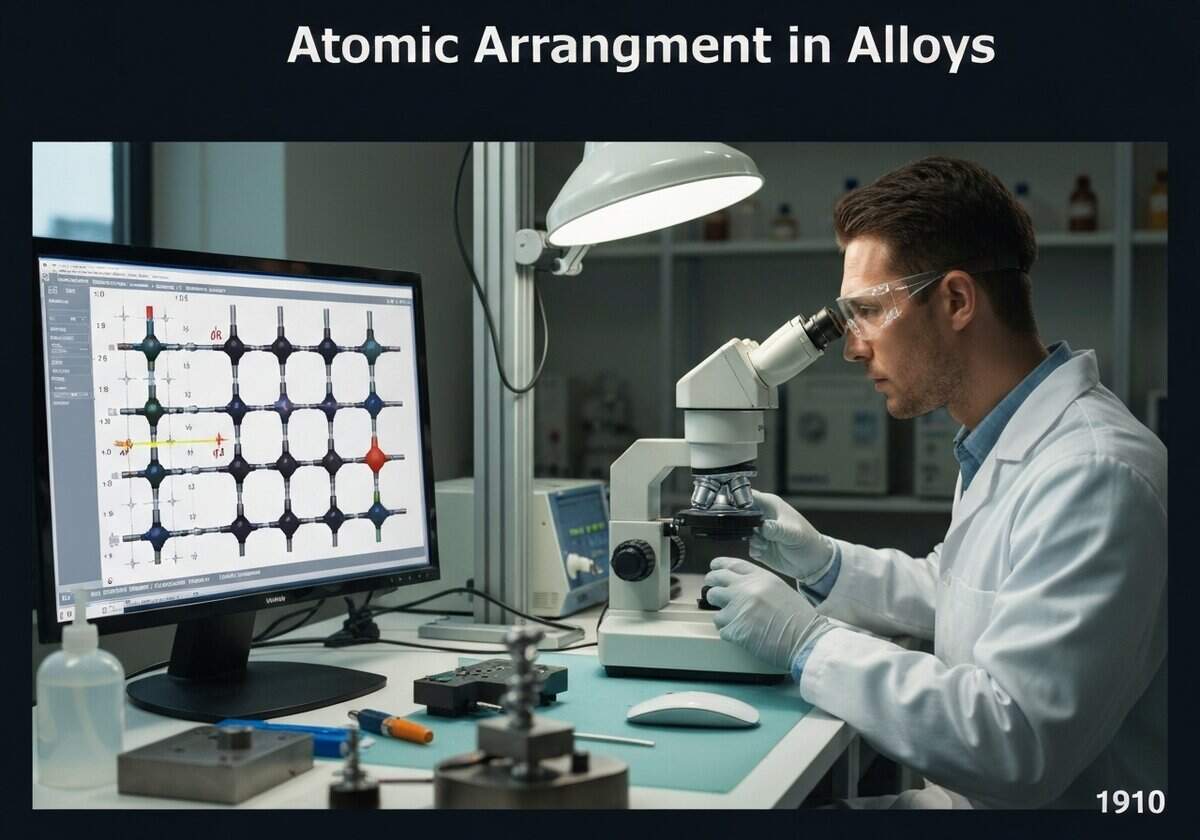
عالم معادن يحلل الترتيب الذري في السبائك تحت المجهر في المختبر.

(صورة توضيحية فقط)

Alloys are classified based on atomic arrangement. In substitutional alloys, atoms of the solute element replace atoms of the solvent in the crystal lattice, common when atomic sizes are similar. In interstitial alloys, smaller solute atoms, like carbon in iron, fit into the spaces (interstices) between the larger solvent atoms. This structural difference fundamentally dictates the alloy’s mechanical properties.


The distinction between substitutional and interstitial solid solutions is fundamental to physical metallurgy and alloy design. The type of solid solution that forms is primarily governed by the relative sizes of the solute and solvent atoms. Substitutional alloys typically form when the atomic radii of the two elements are within about 15% of each other, a guideline known as the Hume-Rothery size-factor rule. When a solute atom replaces a solvent atom, it introduces localized lattice strain, which impedes dislocation motion and thus increases the material’s strength and hardness, but often reduces its الليونة. Examples include brass (zinc in copper) and bronze (tin in copper).

Interstitial alloys, on the other hand, form when the solute atoms are significantly smaller than the solvent atoms, allowing them to occupy the interstitial sites within the crystal lattice without displacing a solvent atom. Common interstitial atoms are الهيدروجين, boron, carbon, and nitrogen. The presence of these atoms causes significant lattice distortion, which provides a very effective mechanism for blocking dislocation movement, leading to a substantial increase in hardness and strength. The most prominent example is steel, where carbon atoms occupy interstitial sites in the iron lattice. The amount of carbon and its location, which can be controlled by heat treatment, determines the final properties of the steel, from ductile low-carbon steel to hard, brittle high-carbon steel.

UNESCO Nomenclature: 3308
- علم المعادن

يكتب

المبدأ الفيزيائي

خلل

أساسيات

الاستخدام

استخدام واسع النطاق

مقدمات

  • John Dalton’s atomic theory
  • اكتشاف الهياكل البلورية من خلال حيود الأشعة السينية بواسطة ويليام هنري براغ وويليام لورانس براغ
  • المفاهيم الأساسية للمخاليط والحلول الكيميائية
  • الدراسات المعدنية المبكرة للهياكل الدقيقة المعدنية

التطبيقات

  • تصميم الفولاذ عالي القوة (الكربون الخلالي في الحديد)
  • إنشاء النحاس المقاوم للتآكل (الزنك البديل في النحاس)
  • تطوير الفضة الإسترلينية من أجل المتانة (النحاس البديل في الفضة)
  • صياغة عناصر تسخين النيكروم (النيكل والكروم البديلان)

براءات الاختراع:

NA

أفكار ابتكارية محتملة

  • سبائك متدرجة ذات نسب متحكم فيها بين البينات والاستبدالات عبر المادة
  • سبائك ذاتية التشحيم مع عناصر بينية تنتشر إلى السطح تحت الضغط
  • سبائك ذات تمدد حراري قابل للضبط عن طريق خلط المواد المذابة الخلالية والاستبدالية
  • ‘smart’ alloys where interstitial atoms can be moved by an electric field to change properties
  • سبائك بينية عالية الإنتروبيا لتطبيقات درجات الحرارة القصوى
  • سبائك متوافقة حيوياً مع عناصر بينية تعزز تكامل العظام
  • سبائك الذاكرة لتغيير الطور القائمة على حركة الذرات الخلالية
  • مواد تخزين الهيدروجين باستخدام المعادن ذات المواقع الخلالية الكبيرة
  • التحفيزي alloys where interstitial atoms modify surface reactivity
  • سبائك مقاومة للإشعاع للمفاعلات النووية حيث تحبس الذرات الخلالية العيوب
Related to: substitutional alloy, interstitial alloy, crystal lattice, solid solution, solute, solvent, metallurgy, atomic arrangement, lattice strain, steel.

السياق التاريخي

الترتيب الذري في السبائك

1900
1903-05-10
1910
1910
1910
1910
1920
1900
1903
1906
1910
1910
1910
1920
1920

(إذا كان التاريخ غير معروف أو غير ذي صلة، على سبيل المثال "ميكانيكا الموائع"، يتم توفير تقدير تقريبي لظهوره الملحوظ)

أحدث الإضافات

أهم المنشورات والمقالات

أفضل الأدوات الأصلية

السنة العاشرة عيد

الصور والتنزيلات بالحجم الكامل متاحة فقط، ومجانية تمامًا، للأعضاء المسجلين.