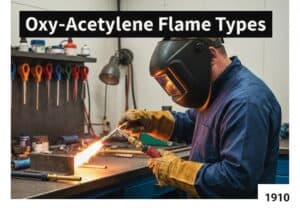
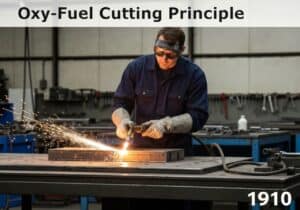
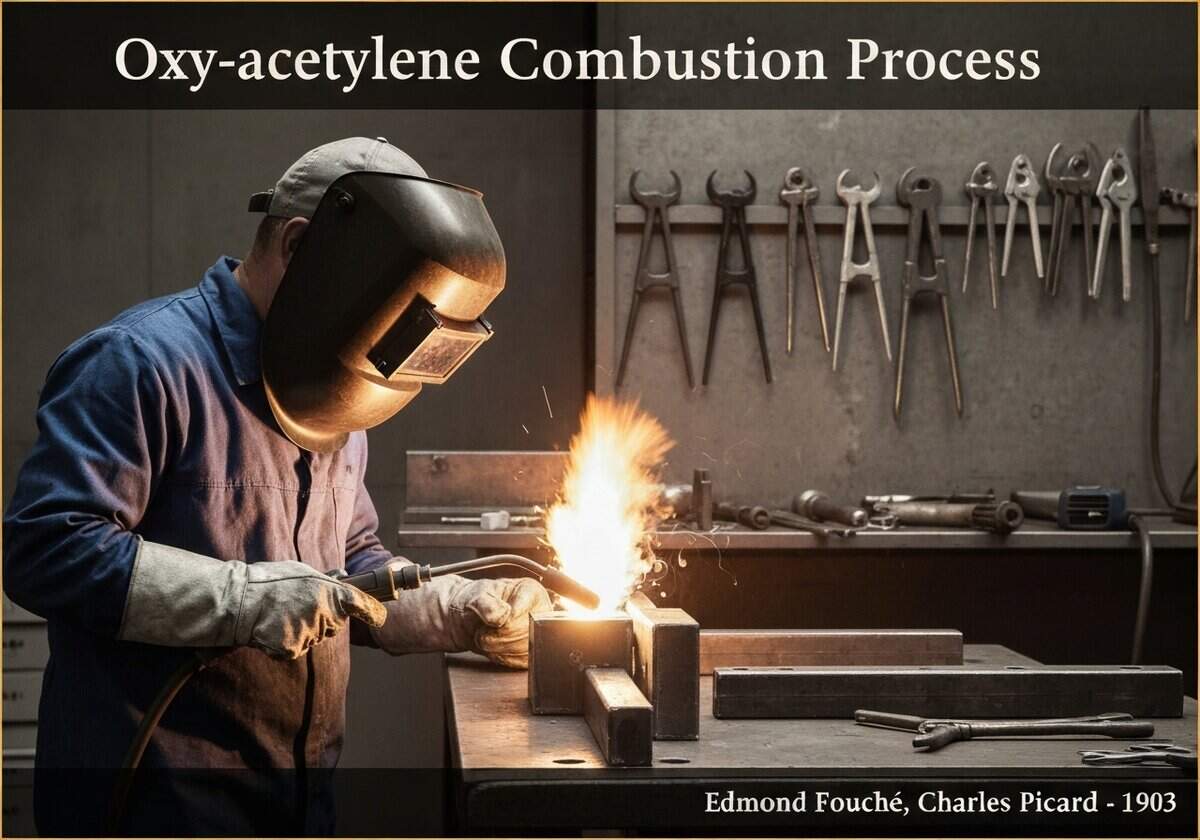
The secondary reaction occurs in the larger, bluish outer flame envelope, where the products of the first reaction (carbon monoxide and 氢) are burned using oxygen from the surrounding air: [latex]4CO + 2H_2 + 3O_2 \rightarrow 4CO_2 + 2H_2O[/latex]. This secondary combustion releases additional heat, but over a much larger area, serving to preheat the metal ahead of the weld and protect the molten weld pool from atmospheric oxygen and nitrogen. This protective shield of burnt gases prevents oxidation and embrittlement of the weld metal, which is crucial for creating a strong, ductile joint. The balance between the two stages is controlled by the oxygen-to-acetylene ratio set at the torch, allowing for different flame characteristics (neutral, carburizing, or oxidizing) suitable for various metals and applications.