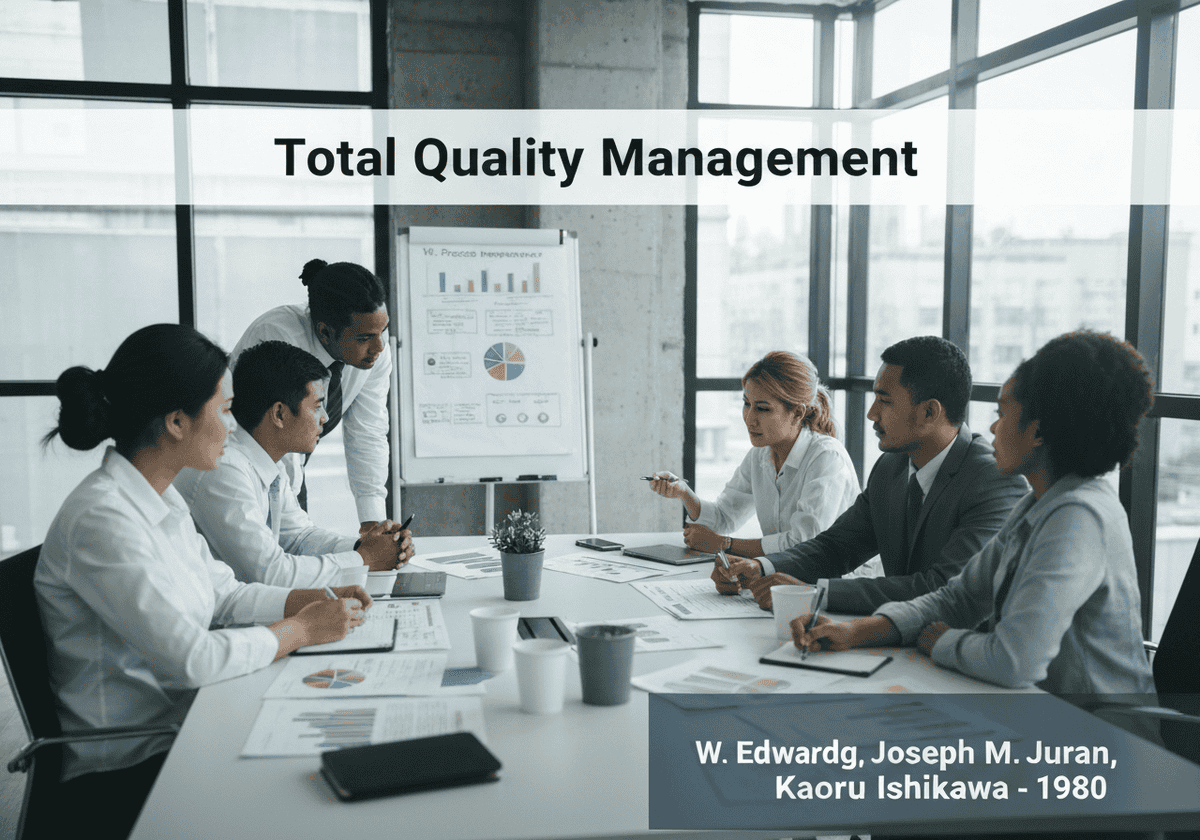
全面质量管理 (TQM) 是一种管理理念,组织的所有成员都参与改进流程、产品、服务和工作文化。它旨在通过客户满意度实现长期成功。TQM 将质量纪律融入公司的文化和活动中,超越简单的产品检验,成为一种覆盖整个组织的整体方法。

(图片仅供参考)
全面质量管理 (TQM) 是一种管理理念,组织的所有成员都参与改进流程、产品、服务和工作文化。它旨在通过客户满意度实现长期成功。TQM 将质量纪律融入公司的文化和活动中,超越简单的产品检验,成为一种覆盖整个组织的整体方法。
Total Quality Management (TQM) represents a fundamental shift from traditional management thinking. Instead of viewing quality as the sole responsibility of a specific department (quality control), TQM posits that quality is everyone’s responsibility, from the CEO to the frontline worker. This approach is built on the foundation that preventing defects is more cost-effective than detecting and correcting them after they occur. The core principles of TQM often include a strong customer focus, total employee involvement, a process-centered view, an integrated system, a strategic and systematic approach, continual improvement, fact-based decision making, and effective communication.
The implementation of TQM involves a deep cultural change within an organization. It requires strong leadership to drive the principles throughout all levels. Methodologies like the PDCA cycle are often used to implement continuous improvement initiatives. TQM emphasizes data collection and analysis to understand and improve processes. Tools such as 统计过程控制 (SPC), cause-and-effect diagrams (Ishikawa diagrams), and flowcharts are commonly employed to identify root causes of problems and streamline operations. The ultimate goal is to create a self-sustaining culture of improvement where quality is embedded in every action and decision, leading to higher customer satisfaction, reduced costs, and increased competitiveness.
全面质量管理(TQM)
(如果日期未知或不相关,例如“流体力学”,则提供其显著出现的近似估计)
只有注册会员才能免费获取完整尺寸的图片和下载内容。
> 登录 <