Product Design, Manufacturing & Innovation Resources
家 » 持続可能性の3つの柱

持続可能性の3つの柱

1994
  • John Elkington
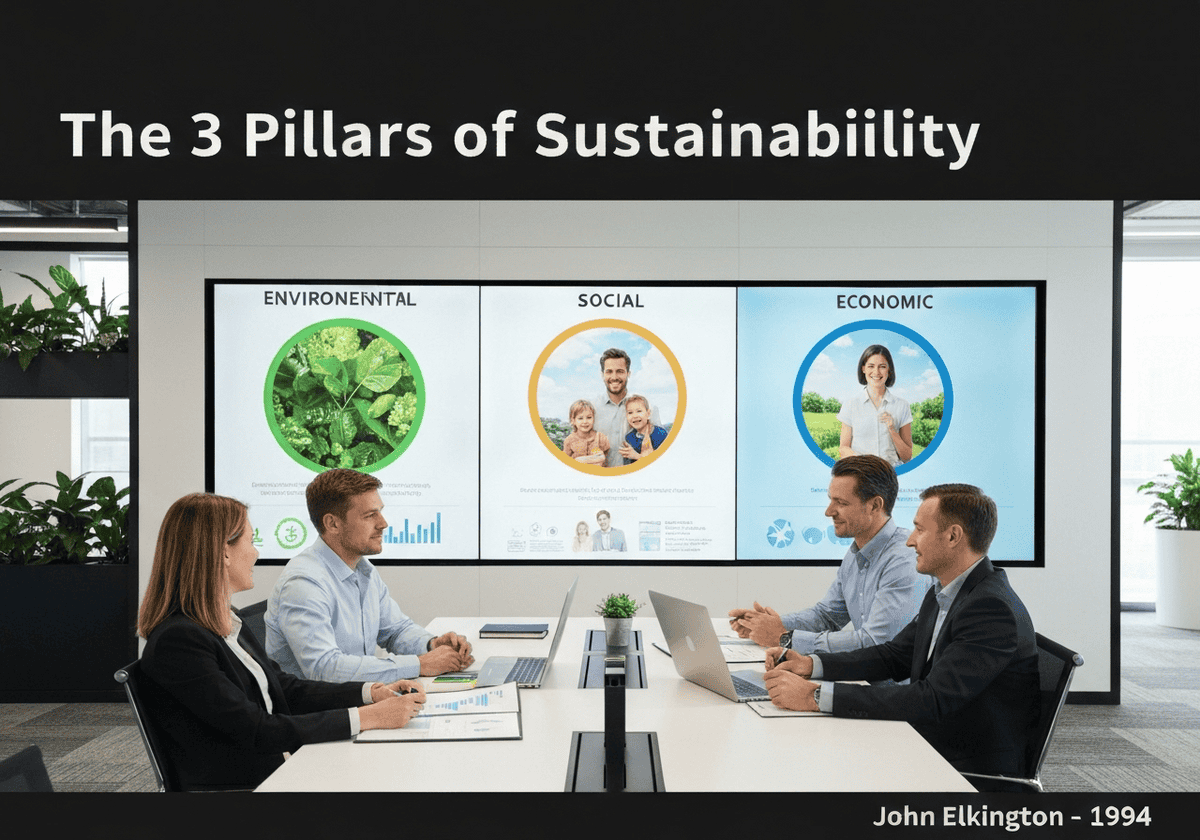
Corporate office scene highlighting the three pillars of sustainability in environmental sciences.

(画像はイメージです)

持続可能性の3つの柱、別名トリプルボトムラインとは、真の持続可能性には環境、社会、経済という3つの主要な側面をバランスよく両立させる必要があるという枠組みです。環境の持続可能性は、天然資源と生態系の保全に焦点を当てています。社会の持続可能性は、公平性、地域社会の福祉、人権に取り組んでいます。経済の持続可能性は、他の2つの柱を損なうことなく、長期的な財務的健全性を確保するものです。

持続可能性の3つの柱という概念は、発展は経済成長だけで測れるものではないという認識の高まりから生まれた。環境の柱は、しばしば最も重視されるものであり、人間の活動が自然システムに与える影響に関わる。これには、水、エネルギー、原材料などの資源を効率的に管理し、汚染や廃棄物を最小限に抑え、自然を保護することが含まれる。 生物多様性その目的は、将来の世代のために生態系の健全性と回復力を維持することである。

社会的な側面は、持続可能性における人間的な側面に焦点を当てています。すべての人々に対する公正かつ公平な扱いを提唱し、開発が地域社会を搾取することなく利益をもたらすことを保証します。これには、労働者の権利、社会正義、地域社会への参画、公衆衛生、文化遺産の保存といった問題が含まれます。社会的に持続可能なプロジェクトや事業は、事業を展開する地域社会に積極的に貢献し、従業員や住民の生活の質の向上を促進します。

The economic pillar addresses the financial aspect, asserting that for a project or business to be sustainable, it must be economically viable. However, this viability cannot come at the expense of the other two pillars. It involves creating long-term profitability through ethical practices, efficient resource use, and innovation, rather than short-term gains that degrade environmental or social capital. The integration of these three pillars forms the basis for holistic 持続可能なデザイン and policy-making, aiming for a balanced approach where people, planet, and profit can coexist harmoniously.

UNESCO Nomenclature: 3301
環境科学

タイプ

抽象システム

混乱

基礎

使用法

広く普及している

前駆物質

  • 1972年国連人間環境会議(ストックホルム会議)
  • 1987年のブルントラント報告書(「我々の共通の未来」)は、持続可能な開発を定義した。
  • 1960年代と1970年代における環境運動の台頭
  • 企業の社会的責任に関する初期の概念

アプリケーション

  • 企業の社会的責任(CSR報告
  • 持続可能な都市計画
  • LEEDやBREEAMなどのグリーンビルディング認証システム
  • フェアトレード認証
  • インパクト投資の枠組み

特許:

NA

潜在的なイノベーションのアイデア

  • ai-driven platforms for real-time triple bottom line auditing in supply chains
  • blockchain-based systems for transparently tracking social and environmental impact of products
  • smart city dashboards integrating real-time data on environmental quality, social equity metrics, and economic activity
  • bioregenerative corporate campuses that are net-positive in energy, water, and social well-being
  • personalized sustainability apps that track a user’s consumption and suggest lifestyle changes based on all three pillars
  • 循環型経済 financial instruments, like bonds tied to specific social and environmental outcomes
  • educational curricula based on gamified simulations of balancing the three pillars in various industries
  • policy-making software that models the long-term effects of legislation on the triple bottom line
関連キーワード:トリプルボトムライン、持続可能性、環境、社会、経済、企業の社会的責任、持続可能な開発、ジョン・エルキントン。

歴史的背景

持続可能性の3つの柱

1991
1992
1993
1994
1997
1998
1999-05-01
1990
1992
1992
1993-07-22
1996
1998
1999
2000

(日付が不明または関連性がない場合、例えば「流体力学」などでは、その注目すべき出現時期の概算値が提示されます。)

10年目 周年

フルサイズの画像とダウンロードは、登録会員のみが100%無料で利用できます。