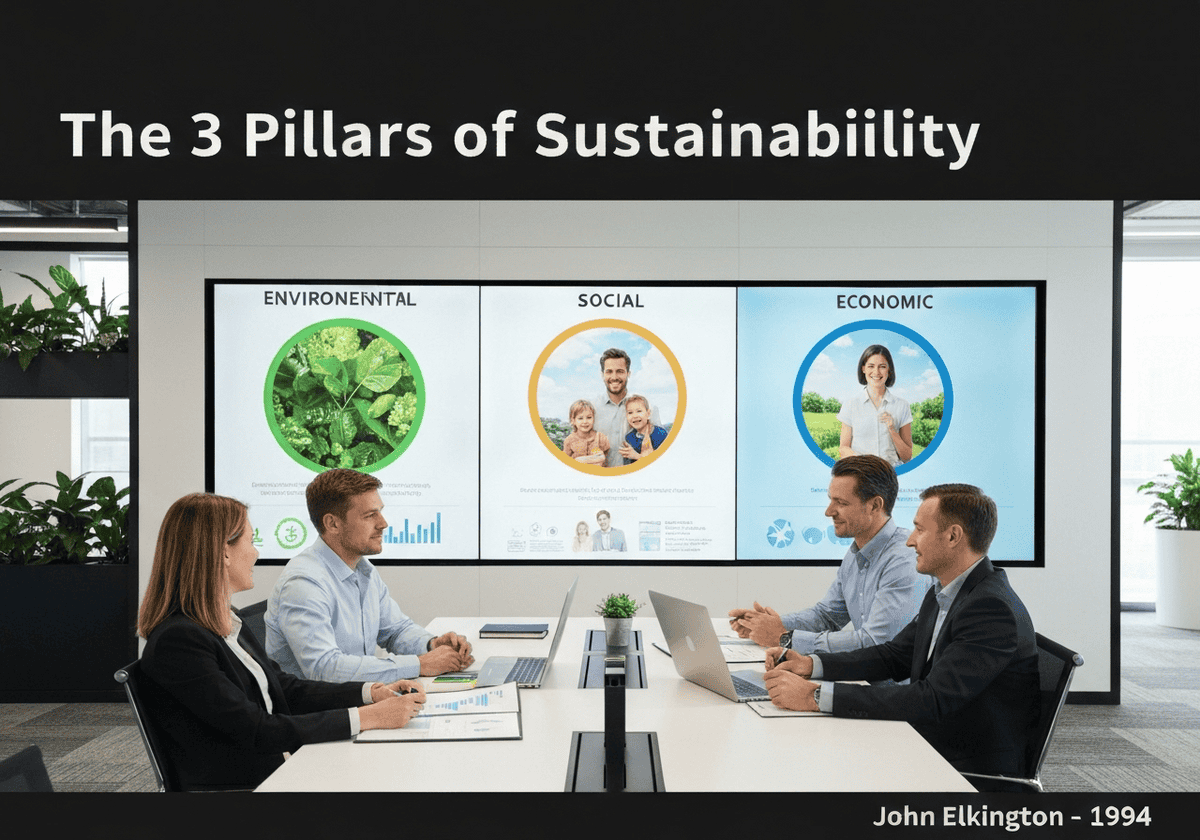
The concept of the three pillars of sustainability emerged from a growing recognition that development could not be solely measured by economic growth. The environmental pillar, often the most emphasized, concerns the impact of human activities on natural systems. It involves managing resources like water, energy, and raw materials efficiently, minimizing 污染 and waste, and protecting 生物多样性目标是为子孙后代维护生态系统的完整性和恢复力。
The economic pillar addresses the financial aspect, asserting that for a project or business to be sustainable, it must be economically viable. However, this viability cannot come at the expense of the other two pillars. It involves creating long-term profitability through ethical practices, efficient resource use, and innovation, rather than short-term gains that degrade environmental or social capital. The integration of these three pillars forms the basis for holistic 可持续设计 and policy-making, aiming for a balanced approach where people, planet, and profit can coexist harmoniously.