世界的な取り組みとして、 気候変動 激化する、 直接空気回収 (DAC)通常は Direct Air Carbon Capture (DACC) emerges as a promising yet controversial technology in the arsenal of carbon dioxide removal (CDR) strategies. This article will dissect the fundamental principles of DAC technology, analyze various approaches such as solid sorbents and liquid solvents, and highlight the current stage of development traversed by key industry players. さらに、DACシステムのエネルギー要件、経済的実現可能性の低さ、環境への影響といった課題に取り組むとともに、その有効性と拡張性を曇らせる可能性のある課題や誤解にも対処していく。
主なポイント
- DACは、周囲の空気から直接CO2を回収することに依存している。
- 様々な技術には、固体吸着剤と液体溶媒が含まれる。
- 技術は進化しており、主要な業界参加者が次々と現れている。
- DACの運転には、非常に大きなエネルギー投入量が必要となる。
- 経済的な実現可能性は、地域や技術によって大きく異なる。
- 拡張性に関しては、その有効性とコストに関して誤解が生じやすい。
- 最も良い廃棄物とは、そもそも生み出さない廃棄物である。
直接空気炭素回収技術の基本原理
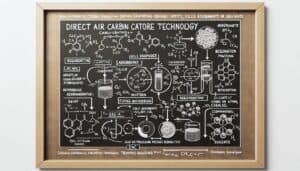
Direct Air Carbon Capture (DAC) technology operates on the principle of chemically capturing carbon dioxide (CO₂) straight from the atmosphere. It typically employs a sorbent or solvent that selectively binds CO₂. Upon saturation, the material is then subjected to a regeneration process, often involving heat or a reduction in プレッシャー, to release the captured CO₂. For instance, systems using solid sorbents might employ a cyclic process where the sorbent is heated to around 100-150 degrees Celsius to release CO₂. This process can be represented by the reaction:
( {CO}_2 + {吸着剤} {rightleftharpoons} {吸着剤-CO}_2 {(結合形態)} )
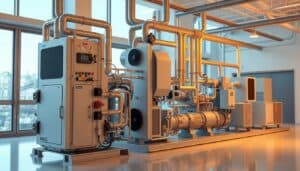
DACCシステムの全体的な効率は、採用される技術と設計によって大きく異なる可能性があります。いくつかの方法には、高温吸着剤、水性アミン系溶媒、アルカリ鉱化などがあります。グローバルレポート CCS 同研究所は、高温吸着剤を用いることで二酸化炭素の90%を捕捉できる一方、アミン溶液を用いることでより低いエネルギーコストで同様の結果が得られると指摘した。それぞれの方法には、エネルギー投入量、捕捉効率、拡張性といった点で明確なトレードオフがあり、用途に応じて最適な技術を選択する必要がある。
DAC技術における注目すべき進歩の一つは、大気中のCO₂を直接回収し、再生可能エネルギー源と組み合わせることで、運転に必要なエネルギーを相殺する技術である。例えば、DACの大手企業であるクライムワークス社は、2021年のCO₂回収コストを1トンあたり600ドルと報告している。この数字は、現在の財政的な課題を浮き彫りにすると同時に、投資とイノベーションの増加によって、コストが時間とともに低下する可能性も示唆している。
2025年現在、より大規模な実地試験の結果、これは議論の余地があることが示されている。
The rest of this article is reserved for members
To limit scraping bots (currently 40,000 hits per day!),
we had to restrict access to full articles and tools to registered members only.
to access all the rest.