세계적인 노력으로 질병 퇴치가 이루어짐에 따라 기후 변화 심화된다, 직접 공기 포집 (DAC), 일반적으로 다음을 의미합니다. Direct Air Carbon Capture (DACC) emerges as a promising yet controversial technology in the arsenal of carbon dioxide removal (CDR) strategies. This article will dissect the fundamental principles of DAC technology, analyze various approaches such as solid sorbents and liquid solvents, and highlight the current stage of development traversed by key industry players. 또한, 이 보고서는 DAC 시스템의 에너지 요구 사항, 불가능한 경제적 타당성 및 환경적 영향 문제를 다루는 동시에 시스템의 효율성과 확장성을 저해할 수 있는 문제점과 오해에 대해서도 해명할 것입니다.
핵심 요약

- DAC는 주변 공기에서 이산화탄소를 직접 포집하는 기술입니다.
- 다양한 기술에는 고체 흡착제와 액체 용매가 포함됩니다.
- 기술은 진화하고 있으며, 주요 산업 참여자들이 새롭게 등장하고 있습니다.
- DAC 작동에는 매우 상당한 에너지 입력이 필요합니다.
- 경제적 타당성은 지역과 기술에 따라 크게 다릅니다.
- 확장성은 효율성과 비용 측면에서 오해를 불러일으키곤 합니다.
- 가장 좋은 폐기물은 애초에 발생시키지 않는 폐기물이다.
직접 공기 탄소 포집 기술의 기본 원리
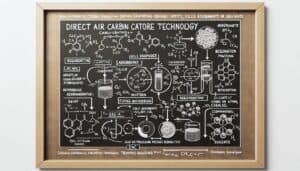
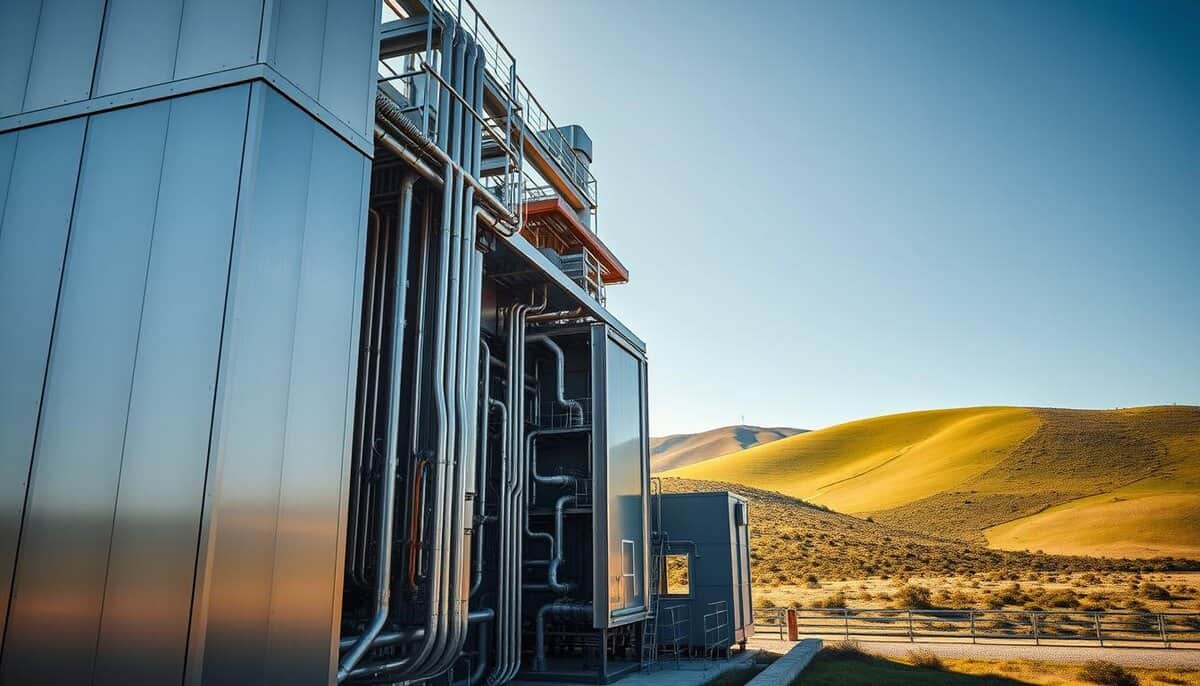
Direct Air Carbon Capture (DAC) technology operates on the principle of chemically capturing carbon dioxide (CO₂) straight from the atmosphere. It typically employs a sorbent or solvent that selectively binds CO₂. Upon saturation, the material is then subjected to a regeneration process, often involving heat or a reduction in 압력, to release the captured CO₂. For instance, systems using solid sorbents might employ a cyclic process where the sorbent is heated to around 100-150 degrees Celsius to release CO₂. This process can be represented by the reaction:
( {CO}_2 + {흡착제} {rightleftharpoons} {흡착제-CO}_2 {(결합형)} )
DACC 시스템의 전반적인 효율은 사용된 기술과 설계에 따라 크게 달라질 수 있습니다. 여러 가지 방법으로는 고온 흡착제, 수성 아민계 용매, 알칼리성 광물화 등이 있습니다. 글로벌 보고서에 따르면 CCS 연구소는 고온 흡착제가 CO₂를 90%까지 포집할 수 있는 반면, 아민 용액은 더 낮은 에너지 비용으로 유사한 결과를 얻을 수 있다고 밝혔습니다. 각 방법은 에너지 투입량, 포집 효율 및 확장성 측면에서 뚜렷한 장단점을 보이며, 이는 필요한 응용 분야에 따라 기술 선택에 영향을 미칩니다.
DAC 기술의 주목할 만한 발전 중 하나는 주변 공기에서 CO₂를 직접 포집하는 것과 재생 에너지원을 결합하여 운영 에너지 요구량을 상쇄하는 것입니다. 예를 들어, DAC 분야의 선두 기업인 클라이머웍스는 2021년에 CO₂ 1톤 포집 비용이 600달러라고 보고했습니다. 이 수치는 현재의 재정적 어려움을 보여주는 동시에 투자와 혁신이 증가함에 따라 비용이 장기적으로 감소할 수 있음을 시사합니다.
2025년 현재, 보다 실제적인 규모의 테스트 결과는 이러한 주장이 반박될 수 있음을 보여줍니다.
The rest of this article is reserved for members
To limit scraping bots (currently 40,000 hits per day!),
we had to restrict access to full articles and tools to registered members only.
to access all the rest.