Product Design, Manufacturing & Innovation Resources
Home » Heat Pump Reversing Valve

Heat Pump Reversing Valve

1930
  • William R. Hainsworth
Heat pump reversing valve in mechanical engineering applications for HVAC systems.

(generated image for illustration only)

A reversing valve is a type of four-way valve that is a critical component in a reversible heat pump. It changes the direction of refrigerant flow through the system. This allows the heat pump to switch its function from cooling in the summer to heating in the winter, by making the indoor coil the condenser (for heating) or the evaporator (for cooling).
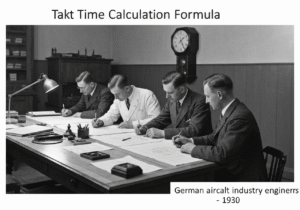

The reversing valve is the key component that enables a single vapor-compression system to function as both an air conditioner and a heater. It is essentially a complex four-way valve controlled by a solenoid. The valve has four refrigerant line connections: one from the compressor discharge, one to the compressor suction, one to the indoor coil, and one to the outdoor coil.

In cooling mode, the valve is positioned to direct the hot, high-pressure gas from the compressor to the outdoor coil, which acts as the condenser to release heat outside. The cooled liquid refrigerant then flows to the indoor coil, which acts as the evaporator to absorb heat from the indoor air. When heating is desired, a low-voltage signal energizes the solenoid. This actuates a small pilot valve, which uses pressure differences within the system to move a main sliding part inside the valve body. This slide redirects the refrigerant path. Now, the hot gas from the compressor is sent to the indoor coil, making it the condenser and releasing heat into the building. The cold refrigerant then flows to the outdoor coil, which becomes the evaporator, absorbing ambient heat from the outside air. This elegant redirection of flow allows for year-round climate control with one piece of equipment.

UNESCO Nomenclature: 3322
– Mechanical engineering

Type

Mechanical Component

Disruption

Incremental

Usage

Widespread Use

Precursors

  • invention of the basic four-way valve for controlling fluid direction in steam engines and hydraulic systems
  • development of the vapor-compression refrigeration cycle, creating the system the valve would control
  • the need for a single, cost-effective appliance to provide both heating and cooling
  • advances in solenoid and electromagnet technology for valve actuation

Applications

  • residential and commercial reversible air conditioners (heat pumps)
  • multi-split and variable refrigerant flow (VRF) HVAC systems
  • geothermal heat pump systems
  • automotive climate control systems that provide both heating and cooling
  • dehumidification cycles in advanced air conditioners

Patents:

  • US Patent 1845115 (William R. Hainsworth, 1932)

Potential Innovations Ideas

Due to scrapping bot traffic, currently more than 40k per day, this content is reserved to community members.
> Login < or > Register < (100% free) to access this, so as all other restricted content and tools.

Related to: reversing valve, four-way valve, heat pump, HVAC, refrigerant flow, cooling mode, heating mode, slide valve, solenoid, pilot valve.

Historical Context

Heat Pump Reversing Valve

1930
1930
1930
1930
1940
1940
1940
1930
1930
1930
1930
1934
1940
1940
1940

(if date is unknown or not relevant, e.g. "fluid mechanics", a rounded estimation of its notable emergence is provided)

Full size images and downloads are only available, 100% free, for registered members.

> Login <