Product Design, Manufacturing & Innovation Resources

स्क्रम

स्क्रम

स्क्रम

उद्देश्य:

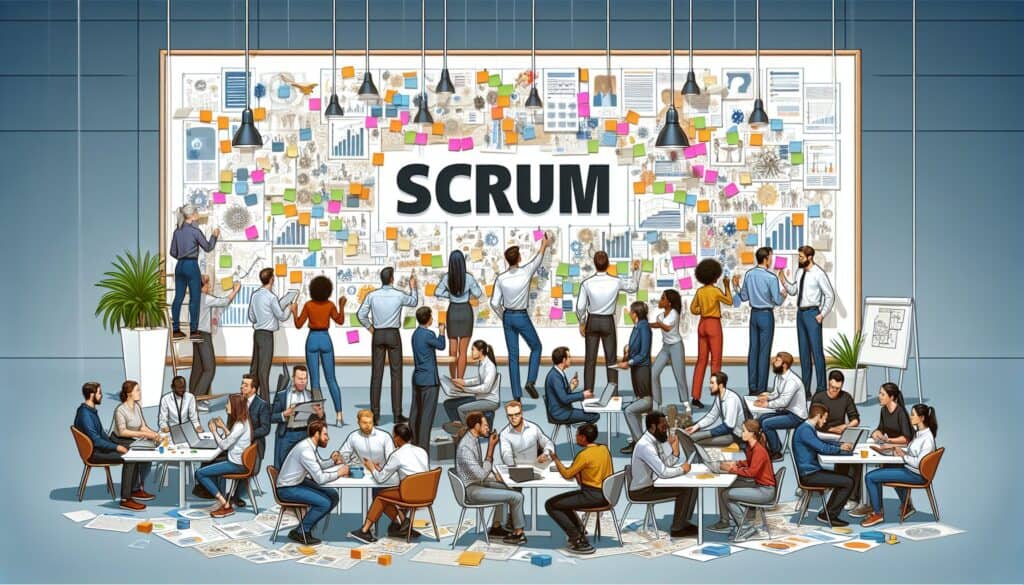
An agile framework for developing, delivering, and sustaining complex products, with an emphasis on iterative development, collaboration, and empirical प्रक्रिया नियंत्रण.

इसका उपयोग कैसे किया जाता है:

फायदे

नुकसान

श्रेणियाँ:

इसके लिए सबसे अच्छा:

Scrum can be effectively utilized in various industries beyond software development, including manufacturing, healthcare, and product design, where teams face unpredictable challenges and seek to improve the quality of outputs through iterative cycles. In product design, for example, cross-functional teams consisting of designers, engineers, and marketers can use Scrum to create prototypes, adapt their designs based on user feedback, and ensure that the final product aligns closely with market needs. Industries such as automotive and aerospace have adopted Scrum principles to foster collaboration among diverse teams that must harmonize engineering, design, and user experience. Scrum thrives in project contexts that require rapid adaptation and ongoing stakeholder engagement, such as during the early stages of उत्पाद जीवनचक्र development, where customer needs and market conditions may shift quickly. Scrum encourages participation from various stakeholders—such as customers, end-users, and business analysts—enabling a comprehensive collection of requirements that improves product offerings. Sprints serve as effective checkpoints for assessing progress and realigning goals, while events like Sprint Reviews provide a platform for showcasing work to stakeholders and gathering constructive feedback, promoting a culture of continuous improvement. Large organizations utilizing Scrum can see enhanced efficiency and faster delivery timelines, as smaller teams within different departments coordinate their efforts while staying aligned with strategic objectives. The iterative nature of Scrum supports the practice of testing ideas early and often, which is particularly beneficial in a fast-paced market where innovation is a necessity.

इस पद्धति के प्रमुख चरण

  1. स्प्रिंट लक्ष्य को परिभाषित करने और प्रोडक्ट बैकलॉग से आइटम चुनने के लिए स्प्रिंट प्लानिंग करें।
  2. विकास टीम के लिए दैनिक स्क्रम मीटिंग आयोजित करें ताकि गतिविधियों को समन्वित किया जा सके और अगले 24 घंटों के लिए काम की योजना बनाई जा सके।
  3. गुणवत्ता मानकों का पालन सुनिश्चित करते हुए, स्प्रिंट के दौरान उत्पाद वृद्धि को विकसित करें।
  4. पूर्ण किए गए इंक्रीमेंट को प्रदर्शित करने और हितधारकों से प्रतिक्रिया प्राप्त करने के लिए स्प्रिंट रिव्यू को सुगम बनाएं।
  5. स्प्रिंट प्रक्रिया पर विचार करने और भविष्य के स्प्रिंट के लिए सुधारों की पहचान करने के लिए स्प्रिंट रेट्रोस्पेक्टिव आयोजित करें।

प्रो टिप्स

  • स्प्रिंट की योजना बनाने और भविष्य के स्प्रिंट के लिए टीम की क्षमता का मूल्यांकन करने के लिए वेलोसिटी और बर्न-डाउन चार्ट जैसे मेट्रिक्स का उपयोग करें।
  • उपयोगकर्ता की जरूरतों और उत्पाद के लक्ष्यों के साथ तालमेल सुनिश्चित करने के लिए स्प्रिंट समीक्षाओं में हितधारकों को शामिल करके उनसे नियमित प्रतिक्रिया प्राप्त करने के लिए प्रोत्साहित करें।
  • सार्थक चर्चाओं और सुधार के लिए कार्रवाई योग्य बिंदुओं को सुविधाजनक बनाने के लिए "स्टार्ट-स्टॉप-कंटिन्यू" जैसी तकनीकों का उपयोग करके स्प्रिंट रेट्रोस्पेक्टिव्स के लिए एक संरचित दृष्टिकोण लागू करें।

विभिन्न पद्धतियों को पढ़ने और उनकी तुलना करने के लिए, हम अनुशंसा करते हैं

> व्यापक कार्यप्रणाली भंडार  <
अन्य 400 से अधिक पद्धतियों के साथ।

इस कार्यप्रणाली पर आपकी टिप्पणियाँ या अतिरिक्त जानकारी का स्वागत है। नीचे टिप्पणी अनुभाग देखें ↓ , साथ ही इंजीनियरिंग से संबंधित कोई भी विचार या लिंक।

ऐतिहासिक संदर्भ

1950
1955
1956
1960
1960
1960
1960
1950
1950
1955
1958
1960
1960
1960
1960

(यदि तिथि अज्ञात है या प्रासंगिक नहीं है, उदाहरण के लिए "द्रव यांत्रिकी", तो इसके उल्लेखनीय उद्भव का एक अनुमानित आंकड़ा प्रदान किया गया है)


नवीनतम परिवर्धन

शीर्ष पोस्ट और लेख

शीर्ष मूल उपकरण

10वां वर्ष सालगिरह

पंजीकृत सदस्यों के लिए पूर्ण आकार की छवियाँ और डाउनलोड 100% निःशुल्क उपलब्ध हैं।