애자일 방법론, 애자일 제품 개발, 지속적인 개선, 반복적 개발, 제품 백로그, 프로젝트 관리, 스크럼, 스프린트 계획, 팀워크
목적:
An agile framework for developing, delivering, and sustaining complex products, with an emphasis on iterative development, collaboration, and empirical 프로세스 제어.
사용 방법:
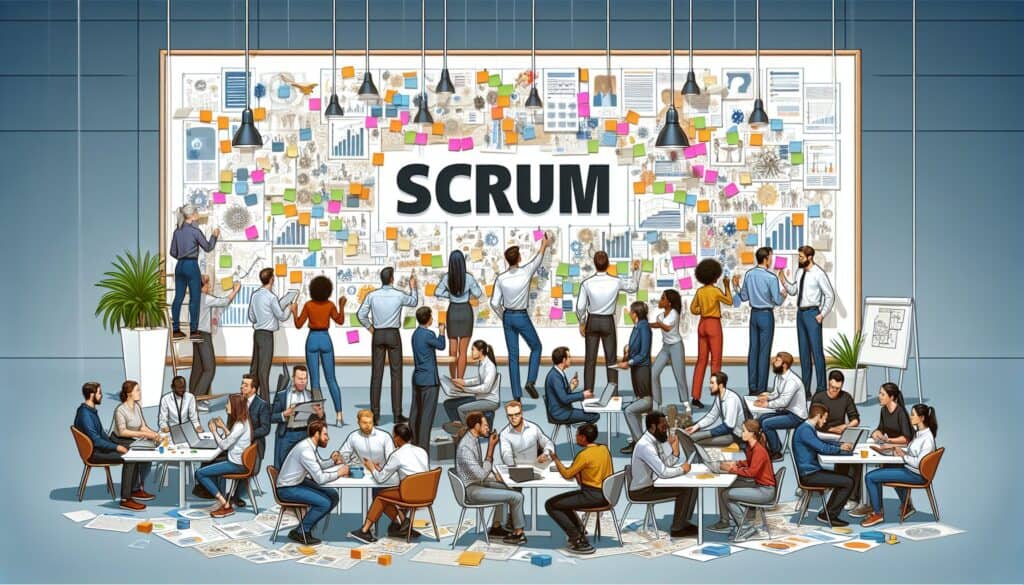
작업은 스프린트라고 불리는 짧고 시간 제한이 있는 반복 단위로 진행됩니다. 제품 책임자(Product Owner)는 우선순위가 지정된 제품 백로그를 관리합니다. 스크럼 마스터는 개발팀의 프로세스를 원활하게 진행하도록 지원합니다. 정기적인 이벤트로는 스프린트 계획 회의, 데일리 스크럼, 스프린트 리뷰, 스프린트 회고 등이 있습니다.
장점
변화하는 요구사항에 유연하게 대처하고, 팀 내 및 이해관계자와의 협업과 소통을 증진하며, 작동 가능한 소프트웨어를 자주 제공하고, 지속적인 개선과 팀 역량 강화를 장려합니다.
단점
팀과 조직의 상당한 문화적 변화와 헌신이 요구됩니다. 제대로 구현하기 어려울 수 있습니다(스크럼버트). 효과는 팀 역학과 스크럼 마스터의 역량에 크게 좌우됩니다. 모든 유형의 프로젝트에 적합하지 않을 수 있습니다.
카테고리:
아이디어 구상, 제품 디자인, 프로젝트 관리
다음과 같은 경우에 가장 적합합니다:
요구사항이 계속 변화하거나 불분명한 복잡한 제품 개발, 특히 소프트웨어 개발과 같은 경우 반복적인 개발 방식이 효과적입니다.
Scrum can be effectively utilized in various industries beyond software development, including manufacturing, healthcare, and product design, where teams face unpredictable challenges and seek to improve the quality of outputs through iterative cycles. In product design, for example, cross-functional teams consisting of designers, engineers, and marketers can use Scrum to create prototypes, adapt their designs based on user feedback, and ensure that the final product aligns closely with market needs. Industries such as automotive and aerospace have adopted Scrum principles to foster collaboration among diverse teams that must harmonize engineering, design, and user experience. Scrum thrives in project contexts that require rapid adaptation and ongoing stakeholder engagement, such as during the early stages of product lifecycle development, where customer needs and market conditions may shift quickly. Scrum encourages participation from various stakeholders—such as customers, end-users, and business analysts—enabling a comprehensive collection of requirements that improves product offerings. Sprints serve as effective checkpoints for assessing progress and realigning goals, while events like Sprint Reviews provide a platform for showcasing work to stakeholders and gathering constructive feedback, promoting a culture of continuous improvement. Large organizations utilizing Scrum can see enhanced efficiency and faster delivery timelines, as smaller teams within different departments coordinate their efforts while staying aligned with strategic objectives. The iterative nature of Scrum supports the practice of testing ideas early and often, which is particularly beneficial in a fast-paced market where innovation is a necessity.
이 방법론의 주요 단계
스프린트 계획을 수립하여 스프린트 목표를 정의하고 제품 백로그에서 항목을 선택합니다.
개발팀의 활동을 동기화하고 향후 24시간 동안의 작업 계획을 수립하기 위해 매일 스크럼 회의를 개최합니다.
스프린트 기간 동안 제품 증분을 개발하고 품질 기준을 준수하십시오.
스프린트 리뷰를 진행하여 완료된 증분을 보여주고 이해관계자로부터 피드백을 수집합니다.
스프린트 회고를 실시하여 스프린트 프로세스를 되돌아보고 향후 스프린트에서 개선할 사항을 파악합니다.
프로 팁
스프린트 계획을 수립하고 향후 스프린트를 위한 팀 역량을 평가하기 위해 속도 및 번다운 차트와 같은 지표를 활용하세요.
이해관계자들을 스프린트 리뷰에 참여시켜 정기적인 피드백을 유도하고, 사용자 요구사항 및 제품 목표와의 일관성을 확보하십시오.
"시작-중지-계속"과 같은 기법을 활용하여 스프린트 회고에 구조화된 접근 방식을 구현함으로써 의미 있는 토론과 실행 가능한 개선점을 도출하십시오.