Product Design, Manufacturing & Innovation Resources

سكروم

سكروم

سكروم

الهدف:

An agile framework for developing, delivering, and sustaining complex products, with an emphasis on iterative development, collaboration, and empirical التحكم في العملية.

كيفية استخدامه:

الايجابيات

سلبيات

الفئات:

الأفضل لـ:

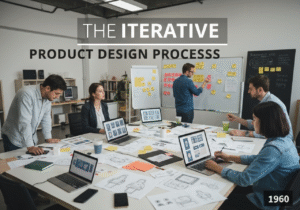
Scrum can be effectively utilized in various industries beyond software development, including manufacturing, healthcare, and product design, where teams face unpredictable challenges and seek to improve the quality of outputs through iterative cycles. In product design, for example, cross-functional teams consisting of designers, engineers, and marketers can use Scrum to create prototypes, adapt their designs based on user feedback, and ensure that the final product aligns closely with market needs. Industries such as automotive and aerospace have adopted Scrum principles to foster collaboration among diverse teams that must harmonize engineering, design, and user experience. Scrum thrives in project contexts that require rapid adaptation and ongoing stakeholder engagement, such as during the early stages of دورة حياة المنتج development, where customer needs and market conditions may shift quickly. Scrum encourages participation from various stakeholders—such as customers, end-users, and business analysts—enabling a comprehensive collection of requirements that improves product offerings. Sprints serve as effective checkpoints for assessing progress and realigning goals, while events like Sprint Reviews provide a platform for showcasing work to stakeholders and gathering constructive feedback, promoting a culture of continuous improvement. Large organizations utilizing Scrum can see enhanced efficiency and faster delivery timelines, as smaller teams within different departments coordinate their efforts while staying aligned with strategic objectives. The iterative nature of Scrum supports the practice of testing ideas early and often, which is particularly beneficial in a fast-paced market where innovation is a necessity.

الخطوات الرئيسية لهذه المنهجية

  1. قم بإجراء تخطيط دورة التطوير لتحديد هدف دورة التطوير واختيار العناصر من قائمة مهام المنتج.
  2. عقد اجتماعات سكروم يومية لفريق التطوير لتنسيق الأنشطة وتخطيط العمل خلال الـ 24 ساعة القادمة.
  3. قم بتطوير المنتج بشكل تدريجي طوال فترة التطوير السريع، مع ضمان الالتزام بمعايير الجودة.
  4. تيسير مراجعة دورة التطوير لعرض الزيادة المكتملة وجمع التعليقات من أصحاب المصلحة.
  5. قم بإجراء مراجعة شاملة لعملية Sprint للتفكير في عملية Sprint وتحديد التحسينات اللازمة لعمليات Sprint المستقبلية.

نصائح احترافية

  • استخدم مقاييس مثل السرعة ومخططات التراجع لتوجيه تخطيط دورات التطوير وتقييم قدرة الفريق على الاستعداد لدورات التطوير المستقبلية.
  • شجع على تقديم ملاحظات منتظمة من أصحاب المصلحة من خلال إشراكهم في مراجعات دورة التطوير لضمان التوافق مع احتياجات المستخدم وأهداف المنتج.
  • قم بتطبيق نهج منظم لجلسات مراجعة دورة التطوير باستخدام تقنيات مثل "البدء والتوقف والاستمرار" لتسهيل المناقشات الهادفة ونقاط التحسين القابلة للتنفيذ.

لقراءة عدة منهجيات ومقارنتها, نوصي باستخدام

> مستودع المنهجيات الشامل  <
مع أكثر من 400 منهجية أخرى.

نرحب بتعليقاتكم على هذه المنهجية أو المعلومات الإضافية على قسم التعليقات أدناه ↓، وكذلك أي أفكار أو روابط متعلقة بالهندسة.

السياق التاريخي

1950
1955
1956
1960
1960
1960
1960
1950
1950
1955
1958
1960
1960
1960
1960

(إذا كان التاريخ غير معروف أو غير ذي صلة، على سبيل المثال "ميكانيكا الموائع"، يتم توفير تقدير تقريبي لظهوره الملحوظ)


أحدث الإضافات

أهم المنشورات والمقالات

أفضل الأدوات الأصلية

السنة العاشرة عيد

الصور بالحجم الكامل والتنزيلات متاحة فقط 100% مجاناً للأعضاء المسجلين.