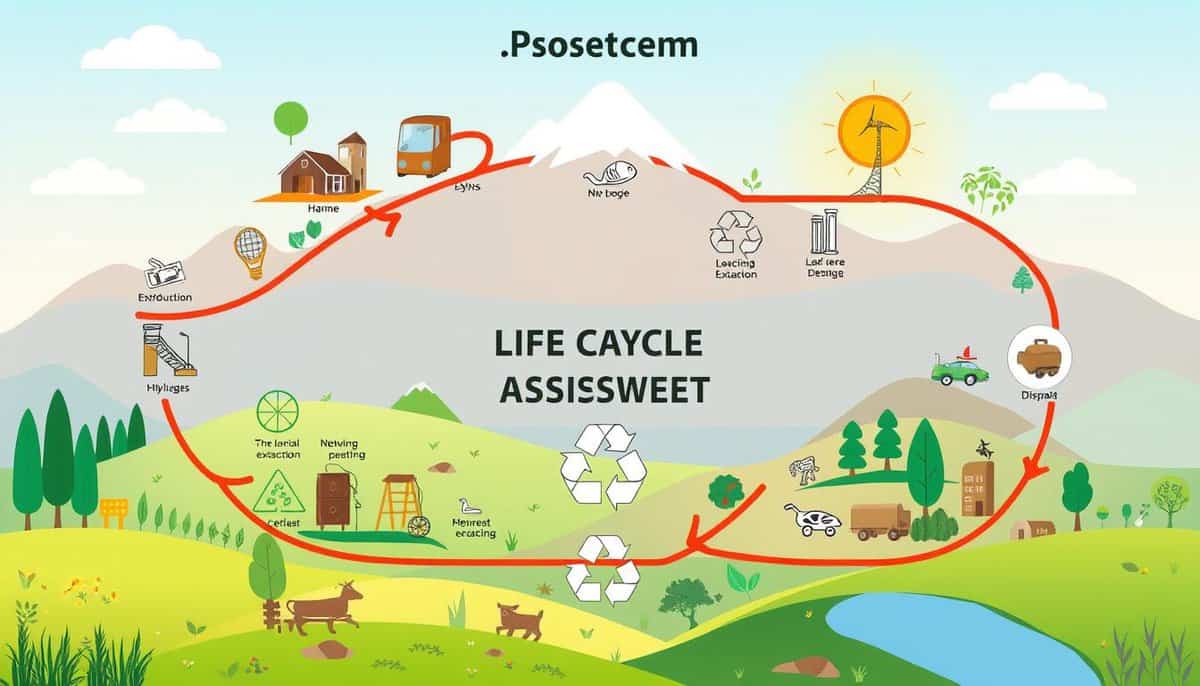
जीवन चक्र पर्यावरण विश्लेषण (LCA) हमारे दैनिक उपयोग की वस्तुओं की छिपी हुई पर्यावरणीय लागतों को उजागर करता है। यह दर्शाता है कि किसी उत्पाद का 70% से अधिक पर्यावरणीय प्रभाव हमारे पास पहुँचने से पहले ही घटित हो जाता है। यह तथ्य वस्तुओं और सेवाओं के पर्यावरणीय प्रभाव को प्रारंभ से अंत तक कम करने में LCA की महत्वपूर्ण भूमिका को रेखांकित करता है।
From getting raw materials to making, using, and throwing away products, LCA looks at all environmental impacts. It helps both companies and people make choices that are better for the planet.
लाइफ साइकिल असेसमेंट (एलसीए) एक चरणबद्ध विश्लेषण है जो किसी उत्पाद या सेवा के संपूर्ण जीवनकाल में उसके पर्यावरणीय प्रभावों पर केंद्रित होता है। एलसीए के माध्यम से कंपनियां सुधार के प्रमुख क्षेत्रों की पहचान कर सकती हैं, संसाधनों का बेहतर उपयोग कर सकती हैं और वैश्विक स्थिरता लक्ष्यों को पूरा कर सकती हैं। एलसीए को आईएसओ 14040 और आईएसओ 14044 जैसे मानकों का समर्थन प्राप्त है। इसमें लक्ष्य निर्धारण, इन्वेंट्री विश्लेषण, प्रभाव आकलन और व्याख्याएं शामिल हैं। प्रत्येक चरण की सावधानीपूर्वक समीक्षा के माध्यम से, एलसीए कंपनियों को स्थिरता की ओर मार्गदर्शन करता है।
किसी उत्पाद के जीवन चक्र को जानना उसके पर्यावरणीय प्रभाव का आकलन करने और सतत नवाचार को बढ़ावा देने के लिए अत्यंत महत्वपूर्ण है। उदाहरण के लिए, फॉक्सवैगन के ID.3 इलेक्ट्रिक वाहन के विस्तृत जीवन चक्र विश्लेषण (LCA) से पता चला कि यह 200,000 किलोमीटर की दूरी तय करने पर डीजल वाहनों की तुलना में बहुत कम CO₂ उत्सर्जित करता है। ये निष्कर्ष पर्यावरण के अनुकूल उत्पादों के विकास को प्रोत्साहित करते हैं। यह मार्गदर्शिका LCA के महत्व, इसे करने की प्रक्रिया और सतत व्यापार पद्धतियों को बढ़ावा देने में इसकी भूमिका को स्पष्ट करती है।
मुख्य बातें
- लाइफ साइकिल असेसमेंट (एलसीए) किसी उत्पाद के संपूर्ण जीवन चक्र में पर्यावरणीय प्रभावों का मूल्यांकन करता है।
- Conducting LCA can identify environmental hotspots and optimize resource usage.
- वोक्सवैगन की आईडी.3 ईवी पर किए गए लाइफटाइम असेसमेंट (एलसीए) से पता चला कि डीजल कारों की तुलना में इसमें CO₂ उत्सर्जन कम होता है।
- LCA is governed by standards such as ISO 14040 and ISO 14044.
- LCA is crucial for aligning with global sustainability goals and reducing environmental footprints.
What is Life Cycle Assessment (LCA)?
Life Cycle Assessment (LCA) evaluates the environmental impacts of products and services through their life. It looks at everything from raw material extraction to disposal. LCA helps businesses be more sustainable by finding areas to improve and lowering ecological footprints.
Definition of Life Cycle Assessment
The definition of Life Cycle Assessment by the International Organization for Standardization (ISO) 14040 and 14044 includes assessing environmental impacts and resource use. It considers stages from raw material extraction to waste disposal. LCA lets businesses measure energy, materials, emissions, and waste, aiding in sustainability choices.
Importance in Sustainability
Knowing the importance of LCA is key to promoting sustainable practices. It identifies ways to reduce environmental impacts and use resources more efficiently. This method offers insights into the ecological effects of products, pushing for greener innovations.
By using LCA, companies can meet global sustainability standards, helping create a sustainable future.
Purpose and Scope of Life Cycle Assessment
लाइफ साइकिल असेसमेंट (एलसीए) का मुख्य उद्देश्य उत्पादों या सेवाओं के पर्यावरणीय प्रभावों का प्रारंभ से अंत तक विश्लेषण करना है। एलसीए के दायरे को परिभाषित करना महत्वपूर्ण है क्योंकि यह उद्देश्य, लक्षित समूह, कार्यात्मक इकाई, प्रणाली की सीमाएं और विधियों के चयन को निर्धारित करता है। ये कारक मूल्यांकन के परिणामों और व्याख्याओं को बहुत प्रभावित करते हैं। यह भाग एलसीए के प्रमुख पहलुओं को शामिल करता है: पर्यावरणीय प्रभावों का अध्ययन और विभिन्न उद्योगों में इसका उपयोग।
Environmental Impact Analysis
Environmental impact analysis यह उत्पाद के जीवनकाल के दौरान होने वाले उत्सर्जन, संसाधन उपयोग और पर्यावरणीय प्रभावों का विश्लेषण करता है। इसमें शामिल महत्वपूर्ण चरण हैं:
- Defining the functional unit: this part looks at what is needed for a product to work. For example, how much energy a toaster needs to toast bread.
- Setting system boundaries: this defines what stages to include in the study, changing how materials and energy are looked at.
- Methodological choices: choosing how to divide impacts and assess them is key for accurate impact studies and ensures good data quality.
डेटा की गुणवत्ता और उसे इकट्ठा करने के प्रयासों पर ध्यान केंद्रित करके, संगठन सटीक तुलना कर सकते हैं। वे अपने उत्पादों के पर्यावरणीय प्रभावों को सही मायने में समझ सकते हैं।
Applications Across Industries
LCA is used in many fields like manufacturing, energy, and consumer goods. It helps companies improve operations and cut environmental impacts. For example:
- Manufacturing: LCAs show where to save energy and reduce waste in production.
- Energy Sector: looking at different energy sources to lessen emissions and resource use.
- Consumer Goods: assisting companies in creating eco-friendly products by evaluating materials and their whole lifecycle.
Using LCA gives businesses a strategic edge through better resource use, improved brand image, meeting regulations, and attracting investors.
The Four Phases of Life Cycle Assessment
Life Cycle Assessment (LCA) looks at a product or process’s environmental impact through four phases. These are goal and scope, life cycle inventory, life cycle impact assessment, and interpretation. Each phase plays a key role in understanding the total environmental effect.
Definition of Goal and Scope
In the first phase, you set the goal and scope. This means deciding what you’ll study and how. You’ll choose the functional unit, the system boundaries, and the impact categories. It’s also when you pick the Life Cycle Impact Assessment (LCIA) models. Getting this phase right is vital for the rest of the LCA.
Life Cycle Inventory (LCI)
The Life Cycle Inventory (एलसीआई) phase is all about gathering data. You’ll look at energy use, raw materials, products, waste, and emissions. This phase gives all the numbers for analyzing environmental impacts. It’s essential for understanding the system being studied.
जीवन चक्र प्रभाव मूल्यांकन (LCIA)
The LCIA phase links inventory results to environmental impacts. It uses methods to identify and compare different impacts. There are several steps, like classification and weighting, to refine the analysis. This gives results that help in understanding the overall environmental impact.
Interpretation
The last phase is where you make sense of the data. You look at your findings in light of your original goals. This includes checking for completeness and consistency. The interpretation helps in making decisions that support sustainability.
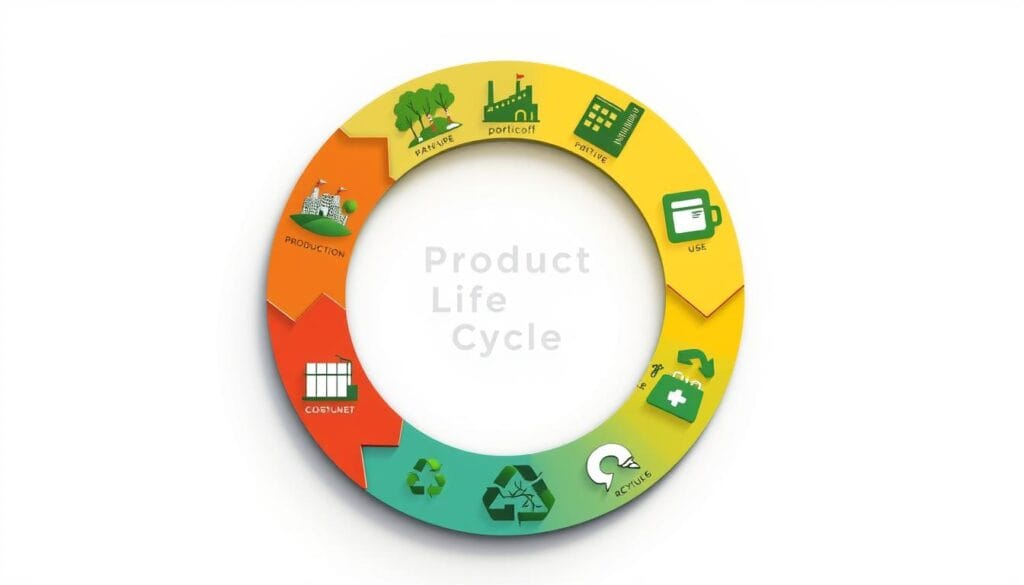
Understanding the Product Life Cycle
द product life cycle involves different stages from start to finish. At each stage, the environmental impact is considered. This ranges from getting raw materials to throwing the product away.
Raw Material Extraction
The cycle starts with getting raw materials. This step can harm nature, such as destroying homes for animals, polluting water, and using a lot of energy. Companies should use sustainable methods early to protect the environment.
Manufacturing and Processing
Next, raw materials turn into the final product. This step can make pollution, use a lot of energy, and create waste. Using green technologies can lower these bad effects.
परिवहन
Transport is crucial in the उत्पाद जीवन cycle. It connects everything from materials to factories to stores and finally to the user. Using smart transport can cut down on pollution and save energy. Around 80% of a product’s environmental harm can come from supply activities, so it’s important to focus on efficient transport.
Usage and Retail
Products go from stores to people in the usage and retail phase. This includes how much energy products use and the waste they make. Teaching buyers about eco-friendly choices and urging them to use products wisely can make a big difference.
Waste Disposal
The cycle ends with throwing the product away. It’s important to throw things away thoughtfully. Companies should think about how easy their products are to recycle or throw away. Aiming for a चक्रीय अर्थव्यवस्था — reduce, reuse, recycle — can ease landfill use and cut back on getting new materials.
| Stage | Environmental impacts | Sustainability Strategies |
|---|---|---|
| Raw Material Extraction | Habitat destruction, pollution, energy consumption | Prioritize sustainable sourcing |
| Manufacturing and Processing | Pollutant emissions, energy usage, waste generation | Use eco-friendly technologies |
| परिवहन | Carbon emissions, energy use | Optimize logistics |
| Usage and Retail | Energy consumption, waste generation | Promote sustainable consumer practices |
| Waste Disposal | Landfill burden, resource waste | Implement circular economy principles |
Companies can become more eco-friendly by focusing on each stage of the product life cycle. This includes getting materials, making products, transporting them, how they’re used, and disposed of. By doing this, they’ll decrease the harm to our planet and answer the call for more green actions.
Different Approaches to Life Cycle Models
Life Cycle Assessment (LCA) is about understanding how products and services impact the environment. It uses different models like cradle-to-grave, cradle-to-gate, cradle-to-cradle, and gate-to-gate. These models offer unique views on sustainability.
Cradle-to-Grave
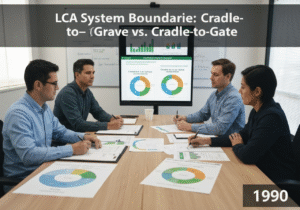
The cradle-to-grave model looks at a product’s entire life. This means from where materials are mined, to how it’s made, used, and thrown away. It helps figure out the total environmental footprint of a product.
This model is key in LCA, showing details on energy, pollution, and trash at each stage.
Cradle-to-Gate
The cradle-to-gate method stops at the factory exit, not covering use or disposal. It’s good for businesses to see their production impacts. It looks closely at materials and how things are made.
Cradle-to-Cradle
This model focuses on keeping materials in use. Known as क्लोज्ड-लूप recycling, cradle-to-cradle tries to पुनर्चक्रण या अपचक्रण करना things. This stops waste and helps the environment.
Gate-to-Gate
Gate-to-gate zooms in on one part of making things. It looks at the environmental effects of one step in making products. Businesses use it to make parts of their process better and more efficient.
These models show different ways to look at a product’s life.
Life Cycle Assessment (LCA) in ISO 14040
The ISO 14040 standard sets the stage for Life Cycle Assessments (LCAs). It outlines how to conduct these studies effectively. For more than two decades, firms from various sectors have turned to it for guidance. This ensures their LCAs are consistent and comparable.
By following ISO 14040, businesses can boost their environmental management. They pinpoint areas needing improvement and refine their material processing.
LCA has proven key in measuring environmental impacts clearly. ISO 14040 offers a step-by-step method for examining a product’s life from start to finish. This comprehensive view helps cut down Scope 3 Greenhouse Gas (GHG) emissions. Thus, organizations make smarter, greener choices.
Experts from various fields, like chemical and mechanical engineering, are vital in applying LCA standards.
One main use of LCA is the उत्पाद कार्बन पदचिह्न (PCF) method. This approach tracks greenhouse gases emitted during a product’s life. Governed by LCA standards, it’s a solid base for eco-friendly product development and climate financing.
Environmental Product Declarations (EPDs) also come from the LCA process. They’re essential in construction, meeting tough labeling standards for green building certifications. These declarations, sticking to ISO standards like 14025 and 21930, detail a product’s environmental impact.
With insights from ISO 14040 and LCA tools, firms can create environmentally friendly products. This supports the worldwide movement towards better environmental management and sustainability.
Life Cycle Assessment (LCA) in ISO 14044
ISO 14044 provides detailed rules for performing a life cycle impact assessment (LCIA). It highlights the need for consistent and reliable methodologies. This ensures that environmental reports are trustworthy, helping in decision-making.
Understanding ISO 14044 means looking at other important standards and guidelines for environmental reporting:
- ISO 14067 focuses on the कार्बन पदचिह्न of products, defining principles for the quantification and reporting of the impact on जलवायु परिवर्तन.
- The ILCD handbook (EU) provides thorough technical guidance for detailed life cycle assessment studies.
- PAS 2050 (UK) outlines a methodology for calculating greenhouse gas emissions throughout the life cycle of goods and services.
- BP X30-323 (France) covers methods for assessing the environmental impact over the product life cycle.
- ISO 22526 series guides the quantification and reporting of carbon footprints for biobased प्लास्टिक.
ISO 14044 offers a structured approach for companies to improve how their products impact the environment. Following this standard involves several steps:
- Understanding the Standard: Grasping the requirements and guidelines within ISO 14044.
- Setting Clear Objectives: Defining what the life cycle assessment aims to achieve.
- Data Collection: Gathering numerical data relevant to the product’s life cycle.
- Conducting the Assessment: Applying LCIA methods to evaluate environmental impacts.
- Interpreting Results: Analyzing the data to drive strategic environmental improvements.
By using ISO 14044, companies can enhance their environmental performance and stay competitive. It ensures they meet legal standards and manage their supply chains effectively. Environmental reporting with ISO 14044 makes the impact of products clear, leading to greener business operations.
Environmental Impact Assessment vs. Life Cycle Assessment
It’s vital to understand how different projects and products affect the environment. The choice between environmental impact assessment (EIA) and life cycle assessment (LCA) is crucial for managing the environment better. Each has its role and fits different scenarios. Let’s compare them to see their unique features.
Key Differences
An Environmental Impact Assessment deals with the potential impacts of projects at certain locations. It looks at environmental, social, and economic effects. A Life Cycle Assessment, however, examines the full environmental impacts from start to finish. This includes everything from creation to disposal.
EIAs are often required by law and focus on specific project phases. For example, in the Netherlands, EIAs are needed for many environmental permits. But, they mainly look at direct emissions and effects. Thus, they miss indirect impacts.
On the other side, LCAs offer a long-term view by studying all environmental impacts. This approach helps in making decisions and finding ways to improve.
When to Use Each
The choice between EIA and LCA depends on your goals. EIAs fit well when you need to study immediate impacts of a project at a specific place. They consider effects like noise, which matters for public discussions and complying with laws.
LCAs are better for looking at the full environmental impact of products over time. This is good for companies wanting to boost their environmental efforts and design sustainable products. This comparison shows that EIA is more about specific projects, while LCA gives a comprehensive view for long-term planning.
In the end, knowing the strengths and limits of EIA and LCA can lead to better environmental decisions. Choosing the right tool for your needs will help in achieving greater sustainability.
The Role of Life Cycle Assessment in Sustainable Product Development
Life Cycle Assessment (LCA) is key in making products sustainable. It blends environmental care into design and innovation. By looking at a product’s whole life, from start to end, LCA offers vital info. This info helps make products that are good for the planet.
Companies use LCA insights to use resources better, lessen environmental harm, and hit sustainability targets. This makes LCA a crucial part of creating eco-friendly products.
Design for Environment (DfE)
Design for Environment (DfE) is critical for sustainable products. It uses LCA to guide designs that lower environmental harm. Nearly 90% of companies say LCAs help them meet their green goals better.
DfE focuses on improving manufacturing to cut waste and energy use. It also prioritizes using renewable and recyclable materials. Products should also be easy to take apart when their life ends.
A detailed LCA shows where to make environmental improvements. This helps make more sustainable products.
परिस्थितिस्वरूप प्रारूप
परिस्थितिस्वरूप प्रारूप and sustainable product development go together. It aims to reduce environmental harm across the product’s life. Choosing non-toxic, renewable, and recyclable materials helps a lot during the material selection phase.
Eco-designers use LCA results to make better choices. This includes using energy-saving tech and designing products for easy recycling. With 73% of consumers ready to switch for sustainability, eco-design can also give companies an edge.
“Approximately 95% of companies acknowledge that understanding their product’s lifecycle through LCA fosters improved sustainability,” reports Deloitte.
By using Design for Environment और eco-design with Life Cycle Assessment, firms can greatly reduce their environmental impact. Making informed design decisions becomes easier. Plus, they can meet the increasing demand for sustainable products from consumers.
How to Conduct a Life Cycle Assessment
Conducting a Life Cycle Assessment (LCA) quantifies a product’s environmental impacts. It follows steps from the product’s creation to its end. Standards from the International Organization for Standardization (ISO), mainly ISO 14040 and ISO 14044, guide this process. The LCA process includes defining goals, collecting and analyzing data, and sharing results.
Getting Started with LCA
The first step is defining what you want to achieve and setting the scope. You might want to find environmental issues or improve उत्पादन रूप. This step involves deciding what parts of the product’s life you’ll study, what units you’ll use for measurement, and what environmental impacts to look at. ISO 14040 provides guidelines on how to do this.
Data Collection
Collecting data is vital for an LCA. It requires gathering both hard numbers and general information about everything that goes into and comes out of a product’s life. This includes all stages like getting raw materials, making the product, shipping it, using it, and throwing it away. The data needs to be both correct and typical for the results to be trusted. ISO 14044 has tips on how to collect data effectively.
Analysis and Reporting
After data collection, the next step is analyzing it to figure out how the product affects the environment. This means looking at emissions, how much resources it uses, and more, to understand its impact on things like climate change. The findings are then put together into a detailed LCA report. This report has to follow ISO 14044’s rules and be clear so everyone understands it.
| Stage | Key Activities | ISO Standard |
|---|---|---|
| Goal and Scope परिभाषा | Setting objectives, system boundaries, and functional units | ISO 14040 |
| Data Collection | Gathering qualitative and quantitative data | ISO 14044 |
| Analysis | Processing data to assess environmental impacts | ISO 14044 |
| Reporting | Compiling and presenting findings | ISO 14044 |
Practical Insights into Implementing LCA in Your Organization
Putting LCA to work in a company means blending its ideas into your current business activities. There must also be a strong training program for it to work well and last. The Life Cycle Assessment (LCA) path includes four main steps. First, you set a goal and define the scope. Then, you gather data and check its inventory. Next, you assess the impact. Finally, you look at the findings. This method is key for managing environmental impacts. This is crucial when looking at scope 3 emissions. They can make up to 90% of a company’s carbon footprint.
Training and Development
अच्छा LCA training is crucial. It gives employees the skills they need for thorough assessments. It all starts with a team that knows LCA well. They need to learn everything from data gathering to talking with stakeholders. For instance, Microsoft aims to take away more carbon than it uses by 2030. This goal shows why having skilled staff is important. This shows how well-informed employees can lead to strong, effective environmental actions.
LCA Software Tools and Platforms
There are many LCA tools and platforms available. They help with the Life Cycle Assessment process. Users can choose based on their needs and preferences.
LCA Software Solutions
द LCA software providers are known for their great data management and analysis skills. They also have user-friendly interfaces, which include:
- SimaPro: it has comprehensive data sets and strong analytical power.
- Gabi Sphera: it provides over 20 sector-specific databases. This helps to understand environmental impacts throughout each product life cycle.
- Ecochain Mobius: known for its user-friendly interface and advanced features.
- One Click LCA: this automated LCA & EPD software is designed especially for the construction industry. It uses leading standards, databases, and design tools from around the globe.
- OpenLCA: the only free, open-source LCA software available worldwide. OpenLCA offers almost 300,000 different data sets and databases. It has the largest collection of LCA data worldwide.
Implementation Tips
To use LCA software effectively in your organization, follow these tips:
- Evaluate Your Needs: know your specific needs to pick the right LCA tools for your work.
- Data Collection: collect comprehensive and accurate data. This maximizes the effectiveness of your LCA software.
- Training and Support: train staff well and use support resources. This makes software implementation smooth.
- Integration: see how the LCA software fits with your existing business processes and other systems.
- Continuous Improvement: Keep updating and refining your LCA practices. Stay on top of tech changes and evolving sustainability standards.
Challenges in Conducting Life Cycle Assessments
Doing Life Cycle Assessments (LCA) can be tricky. One major issue is making sure the data is right. We need exact and full data for reliable LCA results, but finding and trusting this data is hard.
Data Availability
Data is often hard to find, especially in construction. Not having enough good data for building projects is a big problem. There’s no standard place to get environmental impact data, which makes it tough to get correct information. Old or missing data makes LCAs even harder, especially in fast-changing fields like construction.
Accuracy of Data
Keeping data accurate is a big deal in LCA. Wrong or missing data can mess up the results. Since there’s no standard way to keep data quality in check, comparing LCAs accurately is tough. Different studies might not match up because they use different data or assumptions.
| चुनौतियां | विवरण |
|---|---|
| Data Availability Issues | Limited availability of reliable data, especially in construction, and absence of standardized databases. |
| Data Accuracy | Inaccurate or incomplete data can lead to skewed outcomes, compromising the LCA results. |
Critiques of Life Cycle Assessment
Life Cycle Assessment (LCA) is key in looking at environmental impacts of products and processes. Yet, critiques point out several limits and areas to get better.
Common Criticisms
Critics often talk about issues like data sensitivity and inconsistent methods. LCA’s complex methods can make data interpretation vary, hurting reliability.
Also, subjective assumptions might skew the results, questioning its neutrality.
Addressing the Criticisms
To address these criticisms, a broad approach is needed. Making methods consistent can help reduce issues, and bettering data quality is key for accuracy. Making the LCA process clearer also helps lessen these problems.
Globally, trends in investment show the challenges and chances to improve LCA practices. For instance, in 2018, China’s investment in pavement was much higher than the US’s. This showcases the big financial and environmental stakes in infrastructure projects. By tackling these critiques, LCA’s role in sustainable growth gets stronger.
The Future of Life Cycle Assessment
The way we look at sustainability is changing fast, and so is the future of LCA. Thanks to new tech and rules, LCA is getting better and more precise. These changes will make it easier to understand how products affect the environment throughout their lives.
Increasing Regulatory Demand
New rules play a big part in shaping LCA’s future too. For example, new standards now ask for checks on how easy products are to recycle. These rules push companies towards greener practices.
Guidelines like ISO 14040 and ISO 14044 set clear ways to measure a product’s environmental impact. Working together is key to keeping up with these changes.
निष्कर्ष
This guide showed us the key aspects of Life Cycle Assessment (LCA). LCA is crucial for bettering our environmental strategies. It looks into everything from energy use to waste creation across a product’s life. This lets companies make choices based on data, aiming to lessen their environmental impact.
By studying fossil fuel use, greenhouse gases, and water use with LCA, firms can identify where emissions are highest. They can then work on reducing these. They also learn how to cut waste and improve packaging. This helps tackle big environmental challenges like limiting landfill use and cutting down on pollution. LCA, combined with Environmental, Social, and Governance (ESG) efforts, helps companies manage risks, follow rules, and stay ahead in the market.
Following ISO standards, especially ISO 14040 and ISO 14044, helps ensure LCAs are done right. These standards offer a strong way to carry out assessments consistently. Companies can choose between different LCA approaches. The insights from LCA help companies develop sustainable products. This meets the world’s sustainability needs and helps businesses succeed in the long run.
अक्सर पूछे जाने वाले प्रश्न
What is Life Cycle Assessment (LCA)?
Life Cycle Assessment (LCA) looks at the environmental impact of products or services from start to finish. This includes everything from getting materials to making the product, using it, and throwing it away. It measures environmental effects at each step, so companies can lower their environmental footprint.
Why is Life Cycle Assessment important for sustainability?
LCA shows the environmental impact of products, helping businesses make greener choices. It finds ways to boost environmental performance and leads to the creation of sustainable products.
What are the primary purposes of an LCA?
लाइफ़टाइम असेसमेंट (LCA) का उद्देश्य किसी उत्पाद के जीवन चक्र की शुरुआत से अंत तक पर्यावरणीय प्रभावों का मूल्यांकन करना है। यह संसाधनों के उपयोग, ऊर्जा और उत्सर्जन से संबंधित प्रक्रियाओं में सुधार और पर्यावरणीय प्रभावों को कम करने के लिए काम करता है।
What are the four key phases of Life Cycle Assessment?
Life Cycle Assessment is split into four main steps: setting goals and scope, making an inventory of energy and materials used and their environmental releases, assessing potential impacts, and interpreting the findings to guide decisions.
What is the product life cycle?
The product life cycle starts with getting raw materials, then moves to making and processing them. After that, the product is transported, used, and finally disposed of or recycled. Each stage affects the environment differently, and knowing these impacts can help reduce them.
What are the different approaches to life cycle models?
There are several life cycle models. Cradle-to-grave looks at the impact from start to end, cradle-to-gate stops at when the product leaves the factory. Cradle-to-cradle focuses on recycling, and gate-to-gate looks at impacts within a single phase.
What is ISO 14040?
ISO 14040 sets the रूपरेखा and rules for doing Life Cycle Assessments. It ensures LCA is done consistently and can be compared across different studies.
What is ISO 14044?
ISO 14044 lays out the specifics for assessing impacts, interpreting life cycles, and reporting results. Its aim is to make LCAs more reliable and uniform, helping to provide dependable environmental information.
How does Life Cycle Assessment differ from Environmental Impact Assessment?
Environmental Impact Assessment looks at how specific projects affect the environment. On the other hand, Life Cycle Assessment examines the overall environmental impacts of products or services through their entire lifecycle. They serve different needs and situations.
How does LCA contribute to sustainable product development?
LCA is vital in making products more sustainable by adding environmental considerations into the design process. Using the results, the Design for Environment (DfE) and Eco-Design methods make products that are easier on the environment throughout their life.
What are the common challenges in conducting LCA?
Getting accurate and complete data is often a barrier for reliable LCA results. Organizations struggle to find the detailed data needed for a comprehensive environmental assessment.
What are the critiques of Life Cycle Assessment?
Criticisms of LCA point to issues such as the sensitivity of data, inconsistency in methods, and subjective interpretation. To address these, standardization, better data quality, and more transparency in the LCA process are needed.
जीवन चक्र मूल्यांकन पर बाहरी लिंक
अंतर्राष्ट्रीय मानक
(सामग्री का हमारा विवरण देखने के लिए लिंक पर होवर करें)
प्रयुक्त शब्दों की शब्दावली
International Organization for Standardization (ISO): एक गैर-सरकारी अंतर्राष्ट्रीय निकाय जो विभिन्न उद्योगों और क्षेत्रों में गुणवत्ता, सुरक्षा, दक्षता और अंतर-संचालनीयता सुनिश्चित करने के लिए मानक विकसित और प्रकाशित करता है, जो वैश्विक व्यापार और सहयोग को सुविधाजनक बनाता है। 1947 में स्थापित, इसमें सदस्य देशों के राष्ट्रीय मानकीकरण संगठन शामिल हैं।
Life Cycle Assessment (LCA): कच्चे माल के निष्कर्षण से लेकर उत्पादन, उपयोग और निपटान तक, उत्पाद के जीवन के सभी चरणों से जुड़े पर्यावरणीय प्रभावों का एक व्यवस्थित विश्लेषण, जिसका उद्देश्य सुधार के अवसरों की पहचान करना और निर्णय लेने में सहायता प्रदान करना है।
Life Cycle Impact Assessment (LCIA): किसी उत्पाद के जीवन चक्र के सभी चरणों से जुड़े पर्यावरणीय प्रभावों का मूल्यांकन करने की एक विधि, जिसमें कच्चे माल के निष्कर्षण से लेकर उत्पादन, उपयोग और निपटान तक शामिल हैं, और संसाधन खपत, उत्सर्जन और संभावित पारिस्थितिक प्रभावों पर ध्यान केंद्रित किया जाता है।
Upcycle: अपशिष्ट पदार्थों या अवांछित उत्पादों को रचनात्मक पुन: उपयोग या पुनर्उद्देश्यीकरण के माध्यम से उच्च गुणवत्ता या मूल्य की नई वस्तुओं में परिवर्तित करना, जिससे पर्यावरणीय प्रभाव को कम किया जा सके और स्थिरता को बढ़ावा दिया जा सके।