Product Design, Manufacturing & Innovation Resources
Heim » Wirtschaftliche Größenordnung von B2B- vs. B2C-Handel

Wirtschaftliche Größenordnung von B2B- vs. B2C-Handel

1950
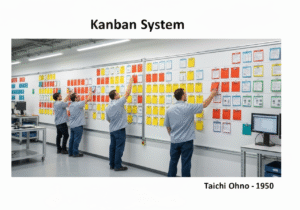
Industrielager zur Veranschaulichung von B2B-Lieferkettenprozessen in der Wirtschaftswissenschaft.

(Abbildung dient nur zur Veranschaulichung)

Eine grundlegende ökonomische Tatsache ist, dass das gesamte Geldvolumen des Geschäftsverkehrs zwischen Unternehmen (B2B) transactions significantly surpasses that of business-to-consumer (B2C) transactions. This is because a single finished consumer product often involves a long supply chain with multiple B2B transactions—from raw materials to manufacturing components to wholesale distribution—before the final B2C sale occurs.


The greater volume of B2B commerce compared to B2C is a direct consequence of the complexity of modern production. Consider the manufacturing of a smartphone. The final sale to a consumer is a single B2C transaction. However, leading up to that sale, numerous B2B transactions took place. The phone manufacturer bought processors from one company, screens from another, and batteries from a third. Each of those component suppliers, in turn, bought raw materials, manufacturing equipment, and software from their own set of suppliers. This cascading effect, known as the supply chain, multiplies the number and value of transactions at each stage of production. Economists and policymakers track B2B activity closely as it serves as a leading indicator of economic health. A slowdown in B2B sales, particularly in sectors like manufacturing and construction, often precedes a downturn in the broader economy and consumer spending. This principle underscores why industries like logistics, corporate banking, and enterprise software are so massive, despite being largely invisible to the average consumer.

UNESCO Nomenclature: 3301
- Wirtschaft

Typ

Abstraktes System

Störung

Grundlegendes

Verwendung

Weitverbreitete Verwendung

Vorläufer

  • Entwicklung der doppelten Buchführung
  • Theorien der Industrieorganisation
  • Leontiefs Input-Output-Modell der Volkswirtschaftslehre
  • Formalisierung des Supply Chain Managements als Disziplin

Anwendungen

  • nationale Wirtschaftsprognosen und BIP-Berechnung
  • Supply Chain Management und Logistikplanung
  • Investitionsanalyse für Industrie und Gewerbe
  • Steuerpolitik und Handelsregulierung der Regierung
  • Entwicklung von B2B-Zahlungs- und Finanzierungssystemen

Patente:

NA

Potenzielle Innovationsideen

  • real-time b2b transaction trackers using Blockchain for macroeconomic analysis
  • KI-gestützte Supply-Chain-Optimierungsdienste, die Engpässe auf der Grundlage von B2B-Transaktionsdaten vorhersagen und mindern
  • a ‘b2b economic health index’ offered as a financial product for investors
  • Zertifizierungen für nachhaltige Lieferketten basierend auf transparenten B2B-Transaktionshistorien
  • Automatisierte B2B-Steuererhebungssysteme, die direkt in Transaktionsplattformen integriert sind
  • Mikrokreditplattformen speziell zur Finanzierung einzelner Transaktionen innerhalb einer komplexen Lieferkette
  • Vorhersagemodelle für die Verbraucherpreisinflation basierend auf Veränderungen der B2B-Transaktionskosten
  • spielerische Lerntools, um Schülern das Ausmaß und die Komplexität moderner Lieferketten näherzubringen
Bezogen auf: B2B-Transaktionen, B2C, Lieferkette, Wirtschaftsvolumen, BIP, Handel, Großhandel, Fertigung.

Historischer Kontext

Wirtschaftliche Größenordnung von B2B- vs. B2C-Handel

1940
1940
1948
1950
1950
1950
1950
1940
1940
1945-01-01
1949
1950
1950
1950
1950

(wenn das Datum unbekannt oder nicht relevant ist, z. B. „Strömungsmechanik“, wird eine gerundete Schätzung seines bemerkenswerten Auftretens bereitgestellt)

10. Jahr Jubiläum

Bilder in voller Größe und Downloads sind nur für registrierte Mitglieder 100% kostenlos verfügbar.

> Login <