Product Design, Manufacturing & Innovation Resources
Heim » Heißgasschweißen von Thermoplasten

Heißgasschweißen von Thermoplasten

1950
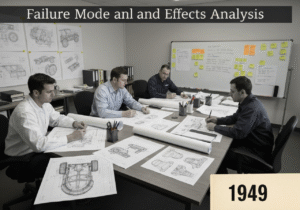
Techniker schweißt Thermoplaste mit Heißgas in einer Werkstattumgebung.

(Abbildung dient nur zur Veranschaulichung)

Heißgasschweißen ist ein Fertigungsverfahren, das verbindet thermoplastisches materials using a stream of heated gas, typically air, to soften the surfaces. A specialized heat gun directs the hot gas onto the joint area and a plastic filler rod simultaneously. As the base material and the rod melt, they are pressed together, fusing upon cooling to form a continuous, solid bond. Because the filler rod must match the base material, the plastic is identified first, and a plastic identification chart helps choose the right rod.

Hot gas welding is analogous to oxy-fuel welding for metals but operates at much lower temperatures and uses hot gas instead of an open flame. The process requires a handheld or automated heat gun, pressure rollers, and a filler rod made of the same or a very similar plastic as the workpiece to ensure material compatibility. The temperature of the hot gas is critical and must be carefully controlled based on the specific thermoplastic being welded, typically ranging from 200°C to 300°C (400-575°F). Proper technique involves maintaining a consistent angle and distance for the heat gun and applying steady pressure to the filler rod to force it into the joint. Surface preparation, such as cleaning and beveling the edges of the joint, is essential for achieving a strong weld. The technique is versatile and portable, making it suitable for both in-shop fabrication and on-site repairs. It is commonly used for materials like Polyethylen (PE), Polypropylen (PP), polyvinyl chloride (PVC), and acrylonitrile butadiene styrene (ABS).

UNESCO Nomenclature: 3322
- Polymer-Technologie

Typ

Physikalischer Prozess

Störung

Wesentliche

Verwendung

Weitverbreitete Verwendung

Vorläufer

  • Erfindung von Thermoplaste wie PVC und Polyethylen
  • Entwicklung elektrischer Heißluftgebläse
  • principles of metal welding (oxy-acetylene and arc welding)
  • Verständnis des Verhaltens und der Rheologie von Polymerschmelzen

Anwendungen

  • Herstellung von Chemikalien- und Wassertanks
  • Reparatur von Kunststoff-Autoteilen wie Stoßstangen
  • Schweißen von Kunststoffrohren und -kanälen
  • Bootsrumpfreparaturen
  • Auskleidungs- und Geomembraninstallation

Patente:

NA

Potenzielle Innovationsideen

  • automatisierte Heißgasschweißsysteme mit Roboterarmen für wiederkehrende Aufgaben
  • intelligente Heißluftpistolen mit integrierten Temperatursensoren und Rückkopplungsschleifen
  • Entwicklung von coextrudierten Füllstäben mit einem Kern für die Festigkeit und einer Außenschicht für eine bessere Bindung
  • tragbare, batteriebetriebene Heißgasschweißgeräte für Reparaturen vor Ort
  • integration of Computer Vision to guide the welding process and ensure consistent bead application
  • Verwendung von Schutzgas anstelle von Luft zum Schweißen sauerstoffempfindlicher Polymere
  • 3D-Druckdüsen mit Heißgasschweißen zum effektiveren Verbinden gedruckter Schichten
  • miniaturized hot gas tools for electronics and Medizinprodukt assembly
  • Füllstäbe mit leitfähigen Partikeln zur Herstellung eingebetteter Schaltkreise
  • selbstheilende Kunststoffe, die ein ähnliches wärmeaktiviertes Prinzip zur Reparatur verwenden
Verwandt mit: Heißgasschweißen, Kunststoffherstellung, Thermoplastschweißen, Schweißdraht, Heißluftpistole, Polymerverbindung, Kunststoffreparatur, Polyethylen, Polypropylen, PVC.

Historischer Kontext

Heißgasschweißen von Thermoplasten

1949
1950
1950
1950
1950
1950
1955
1948
1950
1950
1950
1950
1950
1950
1955

(wenn das Datum unbekannt oder nicht relevant ist, z. B. „Strömungsmechanik“, wird eine gerundete Schätzung seines bemerkenswerten Auftretens bereitgestellt)

10. Jahr Jubiläum

Bilder in voller Größe und Downloads sind nur für registrierte Mitglieder 100% kostenlos verfügbar.

> Login <