Product Design, Manufacturing & Innovation Resources
بيت » التحفيز غير المتجانس

التحفيز غير المتجانس

1910
  • Paul Sabatier
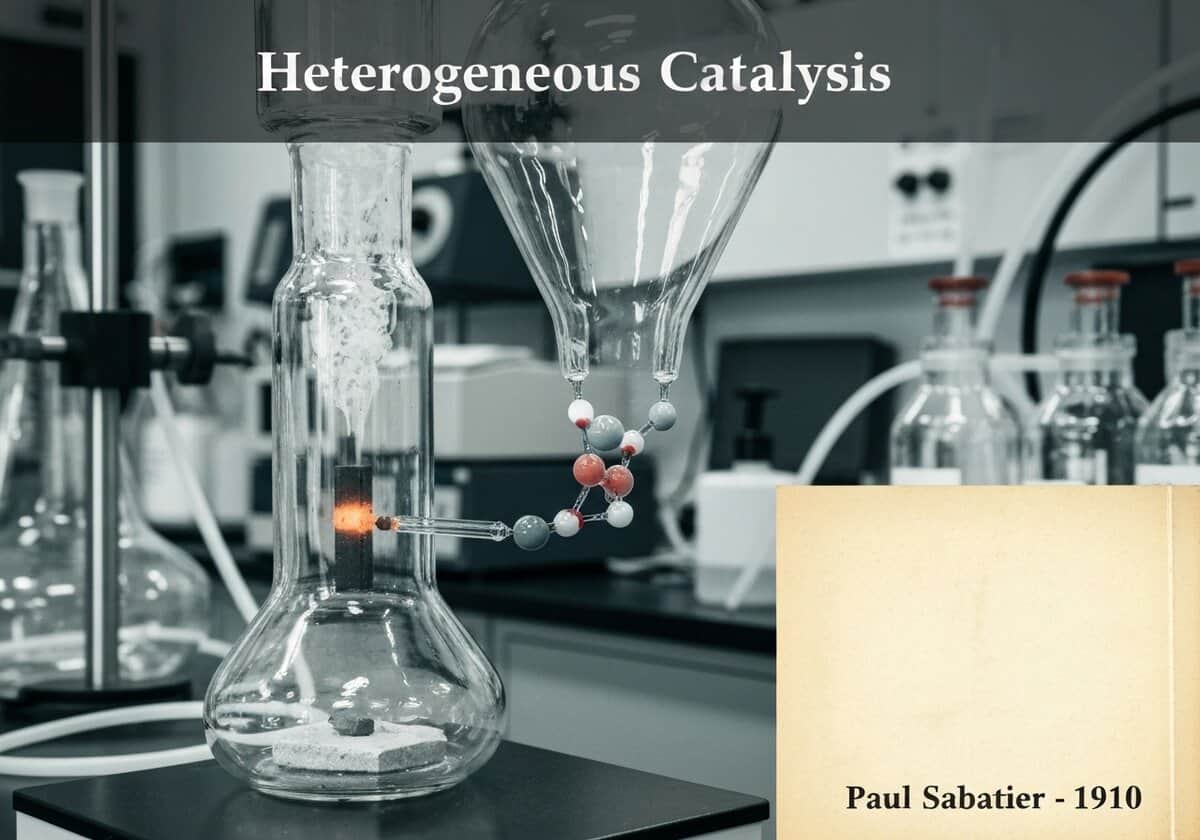
محفز صلب في مفاعل يوضح التحفيز غير المتجانس في الكيمياء الفيزيائية.

(صورة توضيحية فقط)

In heterogeneous catalysis، ال المحفز is in a different phase from the reactants. Typically, a solid catalyst is used with gaseous or liquid reactants. The process involves several steps: diffusion of reactants to the catalyst surface, adsorption onto active sites, chemical reaction on the surface, desorption of products, and diffusion of products away from the surface.
Heterogeneous catalysis is the cornerstone of the modern chemical industry, accounting for the vast majority of large-scale industrial processes. The key advantage is the ease of separating the catalyst from the product stream, which simplifies purification and allows for continuous operation. The catalyst is often a porous solid with a high surface area, maximizing the number of available active sites. These المحفزات can be unsupported (e.g., platinum gauze) or, more commonly, supported, where catalytically active metal nanoparticles are dispersed on a high-surface-area support material like alumina ([latex]Al_2O_3[/latex]), silica ([latex]SiO_2[/latex]), or activated carbon.

The mechanism, often described by the Langmuir–Hinshelwood model, involves the adsorption of reactant molecules onto the catalyst surface. This adsorption weakens the chemical bonds within the reactants, lowering the activation energy for the reaction. After the reaction occurs between adsorbed species, the product molecules desorb from the surface, freeing the active site for another catalytic cycle. The overall rate can be limited by any of these steps, from mass transport of reactants to the surface to the desorption of products. Catalyst deactivation through processes like poisoning (strong adsorption of impurities), coking (deposition of carbonaceous material), or sintering (loss of surface area at high temperatures) is a major practical challenge.

UNESCO Nomenclature: 2202
– Physical chemistry

يكتب

Chemical Process

خلل

Revolutionary

الاستخدام

استخدام واسع النطاق

مقدمات

  • discovery of adsorption by Carl Wilhelm Scheele and Felice Fontana
  • دراسات مايكل فاراداي حول الخصائص التحفيزية للبلاتين
  • عمل بول ساباتير على الهدرجة التحفيزية للمركبات العضوية
  • تطوير تقنيات علوم السطح

التطبيقات

  • عملية هابر بوش لتخليق الأمونيا
  • المحولات الحفازة في السيارات
  • التكسير التحفيزي للسوائل (FCC) في تكرير البترول
  • عملية فيشر-تروبش للوقود الاصطناعي
  • عملية التلامس لإنتاج حمض الكبريتيك

براءات الاختراع:

NA

أفكار ابتكارية محتملة

  • محفزات أحادية الذرة لتحقيق أقصى قدر من الكفاءة والانتقائية
  • هياكل محفز مطبوعة ثلاثية الأبعاد لتحسين التدفق ونقل الكتلة
  • محفزات ذاتية التجديد يمكنها عكس آثار التسمم
  • المحفزات البلازمية التي تستخدم طاقة الضوء لتحريك التفاعلات
  • إطار معدني عضوي (mof) based catalysts with tunable porosity
  • الأغشية التحفيزية التي تجمع بين التفاعل والفصل في خطوة واحدة
  • مفاعلات نانوية مع محفزات مغلفة للتفاعلات المتتالية
  • محفزات لتحويل النيتروجين مباشرة إلى أسمدة في الظروف المحيطة
  • المحفزات المغناطيسية لسهولة الاسترداد من تفاعلات الطور السائل
  • المحفزات التي تعمل بكفاءة في درجات الحرارة المنخفضة لتوفير الطاقة
ذات صلة بـ: التحفيز غير المتجانس، المحفز الصلب، كيمياء السطح، الامتزاز، الموقع النشط، الامتزاز العكسي، لانغمير-هينشلوود، دعامة المحفز، الكيمياء الصناعية، نقل الكتلة.

السياق التاريخي

التحفيز غير المتجانس

1904
1907
1909
1910
1912
1915
1915-11
1902
1907
1909
1910
1911-04-08
1913
1915
1916

(إذا كان التاريخ غير معروف أو غير ذي صلة، على سبيل المثال "ميكانيكا الموائع"، يتم توفير تقدير تقريبي لظهوره الملحوظ)

أحدث الإضافات

أهم المنشورات والمقالات

أفضل الأدوات الأصلية

السنة العاشرة عيد

الصور والتنزيلات بالحجم الكامل متاحة فقط، ومجانية تمامًا، للأعضاء المسجلين.