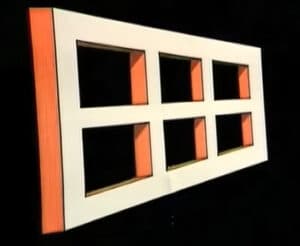
The Ames Window & Ames Room Illusion
The Ames window is a classic optical illusion, created by the American scientist Adelbert Ames Jr. in the 1940s. It
The Ames window is a classic optical illusion, created by the American scientist Adelbert Ames Jr. in the 1940s. It
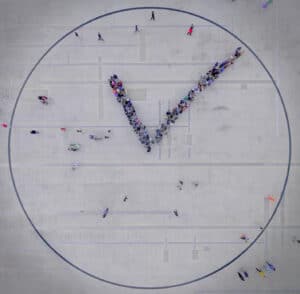
Maarten Baas’s People’s Clock is a permanent art installation unveiled in April 2026 in Lounge 1 of Amsterdam Schiphol Airport,

Humanoid robotics faces a critical need for function-driven design over market-driven assumptions.[/caption] By mid-2026, humanoid robotics has become one of

Nudge marketing leverages design and environment to encourage consumer behavior without coercion.[/caption] Nudge marketing beginnings: in 1956, a Chrysler engineer
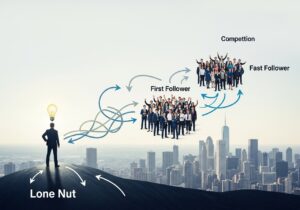
In innovation, we are conditioned to celebrate the pioneer—the visionary who stands alone with a groundbreaking idea. This romantic image,

The optimization of workstation design is an important consideration in both office and manufacturing environments, with direct implications for employee

Designing products that leverage human motivations fosters engagement through emotional feedback loops.[/caption] New product designs, innovations, and especially game mechanics

Modern interactive entertainment design leverages social science principles to enhance player engagement and commercial success.[/caption] Where social science and data
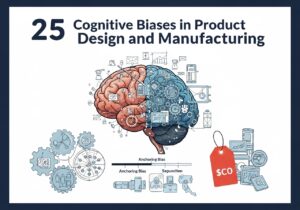
Understanding cognitive biases enhances product design and decision-making throughout the entire product life-cycle.[/caption] Cognitive biases are shortcuts in human thinking

British English can be confusing for non-native speakers because politeness often leads to indirect language, making it hard to know