Product Design, Manufacturing & Innovation Resources
家 » 職場整理のための5Sフレームワーク

職場整理のための5Sフレームワーク

1980
  • Hiroyuki Hirano
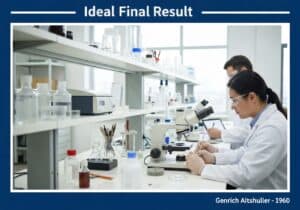
効率的な管理のための5Sフレームワークを実践した、整理整頓されたオフィス空間。

(画像はイメージです)

5S is a workplace organization method that uses a list of five Japanese words: Seiri (Sort), Seiton (Set in Order), Seisō (Shine), Seiketsu (Standardize), and しつけ (Sustain). This system aims to improve efficiency and eliminate waste by organizing a workspace for effectiveness. It is a foundational component of Kaizen and リーン生産方式, creating the stable environment necessary for improvement.
の 5S framework is a systematic approach that enables teams to organize their workplaces in the safest and most efficient manner. Each ‘S’ represents a step in the process. ‘Seiri’ (Sort) involves going through all items in a workspace and removing anything that is not needed for current operations. This declutters the area and frees up space. ‘Seiton’ (Set in Order) is the process of arranging the necessary items in a logical way so they can be easily located and retrieved. The principle ‘a place for everything, and everything in its place’ is central to this step. ‘Seisō’ (Shine) involves cleaning the workspace and equipment regularly. This is not just about aesthetics; it helps in identifying potential problems like leaks, cracks, or misalignments that might be hidden by dirt. ‘Seiketsu’ (Standardize) establishes the procedures and schedules to ensure the repetition of the first three ‘S’ practices. This creates consistency and makes the improvements part of the normal routine. It often involves visual controls, checklists, and clear instructions. ‘Shitsuke’ (Sustain) is the most challenging step. It involves making 5S a habit and embedding it into the organizational culture. This requires ongoing training, communication, and management commitment to maintain the standards and continue the improvement cycle. By implementing 5S, organizations create a visual, clean, and organized environment where deviations from the standard become immediately obvious, facilitating quicker problem-solving and preventing waste.

UNESCO Nomenclature: 5311
経営

タイプ

抽象システム

混乱

実質的な

使用法

広く普及している

前駆物質

  • トヨタ生産方式 (tps)原則
  • ヘンリー・フォードの組立ラインにおける秩序と効率の概念
  • フレデリック・ウィンスロー・テイラー著『科学的管理の原理』

アプリケーション

  • リーン生産方式の導入
  • 医療施設管理(例:手術室の配置)
  • ソフトウェア開発(例:「コードのための5S」)
  • オフィスおよび管理業務プロセスの改善
  • 倉庫および物流管理

特許:

NA

潜在的なイノベーションのアイデア

  • AR applications to overlay 5S instructions and layouts in a physical workspace
  • smart shelves and bins that monitor item usage for automated ‘seiri’ (sort) suggestions
  • gamified 5S audit apps to encourage team participation in ‘shitsuke’ (sustain)
  • 5S for digital workspaces, organizing files, emails, and cloud storage
  • robotics for automated ‘seiso’ (shine) in large industrial facilities
  • IoT sensors that trigger alerts when items are not returned to their ‘seiton’ (set in order) location
  • applying 5S principles to personal data management and digital security
  • developing sustainable 5S programs that incorporate recycling and waste reduction (‘green 5S’)
関連:5S、無駄のないものづくり、職場組織、整理、整頓、整創、清ケツ、シツケ。

歴史的背景

職場整理のための5Sフレームワーク

1960
1965
1970
1980
1980
1983
1990
1960
1960
1970
1980
1980
1982
1986
1990

(日付が不明または関連性がない場合、例えば「流体力学」などでは、その注目すべき出現時期の概算値が提示されます。)

10年目 周年

フルサイズの画像とダウンロードは、登録会員のみが100%無料で利用できます。