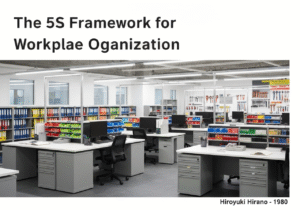
現場 (現場)は日本語で「実際の場所」を意味します。経営においては、工場現場など、価値が創造される場所を指します。 カイゼン is the principle of going to the Gemba to observe the process, engage with workers, and identify opportunities for improvement directly at the source, rather than from a remote office.

(画像はイメージです)
現場 (現場)は日本語で「実際の場所」を意味します。経営においては、工場現場など、価値が創造される場所を指します。 カイゼン is the principle of going to the Gemba to observe the process, engage with workers, and identify opportunities for improvement directly at the source, rather than from a remote office.

The philosophy of Gemba Kaizen emphasizes that real improvement comes from a deep understanding of the actual processes, which can only be gained through direct observation and engagement. It stands in contrast to top-down decision-making based solely on reports, data, and meetings held away from the action. The practice involves managers and engineers regularly visiting the Gemba, not to supervise or find fault, but to learn and support. A key practice is the ‘Gemba walk,’ where leaders walk the shop floor, ask questions, and listen to the insights of the frontline employees who work with the process every day. The core idea is that these employees are the experts on their own work and are best positioned to identify problems (ムダ, mura, muri – waste, unevenness, overburden) and suggest practical solutions. Gemba Kaizen is not about making large capital investments; it’s about making small, common-sense improvements that collectively have a significant impact. It fosters a culture of respect for people, encourages employee empowerment, and ensures that improvement efforts are grounded in reality. By focusing on the place where value is added, organizations can more effectively streamline operations, enhance quality, and improve safety.
現場改善:発生源での改善
(日付が不明または関連性がない場合、例えば「流体力学」などでは、その注目すべき出現時期の概算値が提示されます。)

フルサイズの画像とダウンロードは、登録会員のみが100%無料で利用できます。
> ログイン <