
بيت / تصميم المنتج / The Human Side of Tech
ما الذي عليك فعله؟
اختر مهمة. كل بطاقة ستنقلك إلى القسم المطابق في هذه الصفحة.
Assess skills and hire
Engineer scorecards, career paths, résumés and cross-training.
Lead change
Kotter, ADKAR, Lewin, kaizen and lessons learned.
Communicate and decide
Communication audits, storytelling, empathy maps and cognitive biases.
Design for people at work
Workstation and lifting assessments, human factors and error types.
Compare change models
Five models in one table, with the focus of each.
Enjoy engineering life
Jokes, memes, films and games for a break or a meeting opener.
Find people and training
Design, UX and writing specialists, universities, jobs and courses.
Get a quick answer
Scorecards, Kotter versus ADKAR, crab mentality and ergonomics.
من أين نبدأ؟
New to the people side
Hiring or job hunting
Leading change
New to the people side
- الجانب الإنساني من منهجية لين وكايزن: لماذا تُعدّ الأدوات الجزء الأسهل؟: why visual boards, A3 reports and daily meetings travel between companies but the behaviors behind them do not.
- The “Crab Mentality” in Marketing, Product Design and Innovation: origin of the metaphor, نفسياً drivers, common examples and how to overcome it.
- استخدام أو إساءة استخدام 25 تحيزًا معرفيًا في تصميم المنتجات وتصنيعها: 25 cognitive biases to use or avoid in product design and manufacturing, including anchoring, availability, bandwagon.
- The 7 Habits of Highly Effective People animated slideshow: stephen Covey's 7 Habits of Highly Effective People summarized in a seven-minute animated slideshow.
- Brandolini Law: Spotting Fake Info in Engineering & Design: why fake information spreads faster, red flags in technical claims, tools and debunking strategies.
Hiring or job hunting
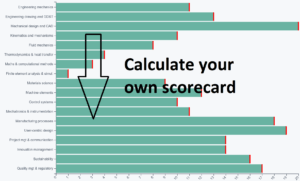
- Electronic Engineer Scorecard™ – Rate Yourself or An Open Position: free tool to rate yourself or an open position across all main electronic and hardware domains by distributing points.
- Mechanical Engineer Scorecard™ – Rate Yourself or An Open Position: free tool to rate yourself or an open position across all main mechanical engineering domains by distributing points.
- Software Engineer Scorecard™ – Rate Yourself or An Open Position: free tool to rate yourself or an open position across all main software and programming domains by distributing points.
- Product Designer vs Industrial Designer Career: how the roles, key responsibilities and required skills differ, to choose a career path.
- Résumé Polishing (the fun way, seriously): why recruitment is far from the optimistic narrative, and realistic tips for job seekers on standing out.
Leading change
- Kotter’s 8-step Process: A Guide to Effective Organizational Changes: creating urgency, identifying threats and opportunities, and building momentum in change management.
- The ADKAR Model: How-to Change Management: its key elements, how to implement it, its benefits and tips for applying it.
- Lewin’s 3-stage Change Process: a three-stage change model: unfreeze, change, refreeze.
- Kickoff Meeting: start a project with a shared view of goals, roles and plan.
- Lessons Learned: capture what worked and what did not, and reuse it.
Assess skills and hire
People decisions deserve the same rigor as design decisions. Rate skills against a written scorecard, compare roles and careers honestly, and make the résumé show what the work achieved. The scorecards work for candidates and for self-assessment.
- Electronic Engineer Scorecard™ – Rate Yourself or An Open Position: free tool to rate yourself or an open position across all main electronic and hardware domains by distributing points.
- Mechanical Engineer Scorecard™ – Rate Yourself or An Open Position: free tool to rate yourself or an open position across all main mechanical engineering domains by distributing points.
- Software Engineer Scorecard™ – Rate Yourself or An Open Position: free tool to rate yourself or an open position across all main software and programming domains by distributing points.
- Product Designer vs Industrial Designer Career: how the roles, key responsibilities and required skills differ, to choose a career path.
- Résumé Polishing (the fun way, seriously): why recruitment is far from the optimistic narrative, and realistic tips for job seekers on standing out.
- مصفوفة التدريب المتقاطع: map who is trained on which tasks to plan coverage.
- OPEX vs CAPEX: how to plan annual R&D Team Budget: key differences, R&D examples, when to plan and how to set the right mix.
- أفضل 8000 وظيفة هندسية حول العالم: search 8,000+ engineering vacancies worldwide in product design, innovation and manufacturing, filtered by keywords and country.
Lead change
Change fails when it is announced but not adopted. Pick a model that fits the size of the change, explain why it is needed, and watch for the resistance that comes from habits and from peers. Capture lessons at each milestone.
- Kotter’s 8-step Process: A Guide to Effective Organizational Changes: creating urgency, identifying threats and opportunities, and building momentum in change management.
- The ADKAR Model: How-to Change Management: its key elements, how to implement it, its benefits and tips for applying it.
- Lewin’s 3-stage Change Process: a three-stage change model: unfreeze, change, refreeze.
- الجانب الإنساني من منهجية لين وكايزن: لماذا تُعدّ الأدوات الجزء الأسهل؟: why visual boards, A3 reports and daily meetings travel between companies but the behaviors behind them do not.
- Kaizen (Continuous Improvement): improve processes continuously through small, frequent changes.
- Lessons Learned: capture what worked and what did not, and reuse it.
- Kickoff Meeting: start a project with a shared view of goals, roles and plan.
- الهندسة المتزامنة: run design, manufacturing and support work in parallel.
- بطاقة الأداء المتوازن: track performance from financial, customer, process and learning angles.
- The “Crab Mentality” in Marketing, Product Design and Innovation: origin of the metaphor, psychological drivers, common examples and how to overcome it.
- The 7 Habits of Highly Effective People animated slideshow: stephen Covey's 7 Habits of Highly Effective People summarized in a seven-minute animated slideshow.
- فريق الاختبار الأحمر لتصميم المنتجات: an independent team adopts an adversary's view to find vulnerabilities and test defenses, with a methodology example.
Communicate and decide
Clear communication saves more time than any tool. Check how information really flows, tell the story behind a decision, and map what users think and feel before you design for them. Learn the cognitive biases that distort judgment, including your own.
- Communication Audit: review how information flows inside and outside an organization.
- Business Storytelling: use stories to make business messages memorable.
- Directed Storytelling: guide the telling of a story to surface experiences and insights.
- Empathy Mapping: capture what users say, think, do and feel on one map.
- Storyboarding: sketch a sequence of scenes to explain a use or a story.
- Decision Tree Analysis: lay out choices, chances and outcomes to compare options.
- Brandolini Law: Spotting Fake Info in Engineering & Design: why fake information spreads faster, red flags in technical claims, tools and debunking strategies.
- استخدام أو إساءة استخدام 25 تحيزًا معرفيًا في تصميم المنتجات وتصنيعها: 25 cognitive biases to use or avoid in product design and manufacturing, including anchoring, availability, bandwagon.
- التسويق التحفيزي: التأثير على القرارات دون إجبارها: steering consumer choices through design, without coercion, with its behavioral science base: System 1 and 2, status quo bias.
- Is LinkedIn Publishers’s Friend ? 9 Communication Pitfalls: 9 communication pitfalls, from external links cutting reach to the zero-click algorithm and dwell time penalties.
- Modern communication issues (parody): parody of a conference call showing where modern workplace communication tools fail.
- Video Meeting … on a Roller Coaster: a video meeting held on a roller coaster, true or staged, shared for fun and as a reply to the next person advocating more home office.
Design for people at work
Good design fits the person who uses it and the person who builds it. Assess workstations and manual tasks with proven methods, involve the workers, and classify human errors so that the process, not the person, is fixed.
- تقييم بيئة العمل المريحة: common risks, desk workstation basics, the 5 body postures, related equipment and adjustments.
- معادلة NIOSH المعدلة في بيئة العمل المكتبية: background, components, the ratio to use, an assembly line example and data collection techniques.
- Participatory Ergonomics (involving worker input): to actively involve workers in identifying, analyzing, and controlling ergonomic risks in their own jobs and work environment.
- Ergonomic Job Hazard Analysis: identify ergonomic risks in a task, step by step.
- EAWS (Ergonomic Assessment Worksheet): assess physical workload at workstations with a worksheet.
- Human Factors Engineering (HFE) Checklists: check a design against human factors engineering points.
- المجالات الثلاثة لبيئة العمل: physical, cognitive and organizational, as defined by the IEA, with uses in workstation and interface design.
- الأنثروبومترية في التصميم المريح: using body measurements and proportions to size workspaces and products, such as adjustable chairs and vehicle interiors.
- Klauer’s Taxonomy of Human Errors: classify human errors to find their causes.
- التصميم المرتكز على الإنسان: a design approach built on understanding users and testing with them.
- Ergonomics & Human Factors Engineering: methods to measure physical and cognitive strain on users and workers.
- Ikea Parody: the Ergonomics Lesson: what the Ikea bookbook video, a parody of Apple product launches.
Enjoy engineering life
Engineering is also a culture, with its own humor, debates and heroes. These pages are for a break, for a meeting opener, or for a reminder that design is a human activity.
- Best Engineer Jokes (and Designers, Creators, Marketers …): jokes about engineers, UI designers, marketers, inventors and innovators.
- المهندسون في العمل (أو لا!): humorous examples of engineers faking work activity in times of remote work and home office, shown for fun and self-mockery only.
- Funny Memes … for the R&D also: funny memes for R&D teams, from famous quotes to Scott Adams Dilbert strips, and why jokes spread fast: they carry part of the truth.
- Is it Engineering or is it Art ?: was the KISS principle applied, or is this engineering as art?.
- أفضل 10 أفلام خيال علمي تتناول العلوم والهندسة: top 10 science-fiction movies with real science and engineering, including Interstellar, The Martian, Blade Runner.
- COVID-19 Benefits, The Good Out of It (learned the hard way): less pollution, faster digitalization, supply chain agility, last-mile delivery innovation, solidarity and resilience.
- أفضل 18 لعبة فيديو لمحاكاة التصنيع: pure automation and logistics such as Factorio, Satisfactory and Dyson Sphere Program, and Fordism simulators.
- أفضل إعلانين إبداعيين من ليغو لين ولعبة توليد أفكار مجانية: two LEGO advertising campaigns, Imagine and The Shadow Knows, analyzed for lean creativity.
Change models at a glance
Five models cover most change and improvement work. Each name links to its page.
| Model | ركز | Use it when |
|---|---|---|
| Lewin's 3-stage process | Organization: unfreeze the current state, change, then refreeze | The change is simple and the context is stable |
| Kotter's 8-step process | Leadership: create urgency, build a coalition, communicate a vision and anchor the change | A large transformation led from the top |
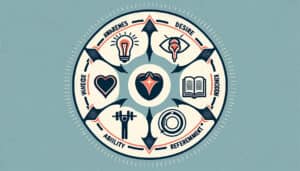
| ADKAR model | Individuals: awareness, desire, knowledge, ability and reinforcement | The risk is that people do not adopt the change |
| كايزن | Teams: small, continuous improvements | You want improvement to become a habit |
| Lessons learned | Projects: capture what worked and what did not, and reuse it | At milestones and at project close |
Human-side rules that hold in practice
- Say what is changing, why, and what stays the same. People fill silence with the worst story.
- Make it safe to report problems and mistakes. Teams that hide errors repeat them. See The Human Side of Lean and Kaizen.
- Ask the people who do the work before you design the process or the workstation. See Participatory Ergonomics.
- Hire against a written scorecard, not a feeling, and rate every candidate on the same criteria. See Software Engineer Scorecard.
- Check your own biases when you decide. See Use or Abuse 25 Cognitive Biases.
- Measure adoption, not only delivery. A change that people do not use has not happened. See The ADKAR Model.
- Separate disagreement about facts from disagreement about people, and settle facts with data. Brandolini Law explains why this takes effort.
- Protect time for learning. Hold a lessons-learned session at each milestone.
- Design for fatigue and error. People make mistakes, so make errors visible and recoverable.
- Keep some humor. A team that can laugh at its own mess finds the mess earlier.
Find people, specialists and universities
الموردون والاستشاريون
- Industrial design: aesthetics, ergonomics and form-factor development.
- UX and UI for hardware: interface design for embedded screens and control panels.
- Technical writing: manuals, datasheets and whitepapers.
- Prototyping strategy
- The full suppliers directory: search by map, keyword and category.
الجامعات والبحث والوظائف
- Universities active in ergonomics and UX
- Universities active in ergonomics
- Universities active in project management
- أفضل 8000 وظيفة هندسية حول العالم: search 8,000+ engineering vacancies worldwide in product design, innovation and manufacturing, filtered by keywords and country.
Learn the human side
The UX and Human-Centered Design courses cover how people interact with interfaces, and the Ergonomics course covers how to measure physical and cognitive strain at products and workstations. Each course is free and has must-know checklists and a final exam.
- UX & Human-Centered Design – Level 2
- أنظمة إدارة الجودة والامتثال: quality systems and compliance in regulated or standards-driven manufacturing.
- Design Thinking & Innovation – Level 1
أفضل اختيارات المحرر
Pages selected by the editor for this topic.





Human-side questions, answered
What is the human side of technology work?
It covers the parts of engineering that tools cannot fix: how people hire, communicate, decide, change habits and work safely. Tools spread easily between companies, but the behaviors behind them do not. See The Human Side of Lean and Kaizen.
How do I assess an engineer's skills objectively?
Use a written scorecard with the same criteria for every candidate, and rate each criterion separately before you discuss the person. Scorecards exist for إلكتروني, mechanical و برمجة roles, for candidates and for self-assessment.
What is the difference between Kotter and ADKAR?
Kotter’s eight steps guide leaders through an organization-wide change, from creating urgency to anchoring the change in the culture. ADKAR looks at the individual: awareness, desire, knowledge, ability and reinforcement. Use Kotter to plan the program and ADKAR to find where people are stuck. See Kotter’s 8-step Process و The ADKAR Model.
What is Lewin's three-stage model of change?
Lewin describes change as unfreezing the current state, moving to the new one and refreezing it so that it lasts. It is simple and works best when the context is stable. See Lewin’s 3-stage Change Process.
What is crab mentality?
Crab mentality is the pull of a group on members who try to rise, by criticizing or blocking them. In product design and innovation it can stop good ideas before they are tested. See The Crab Mentality in Marketing, Product Design and Innovation.
What is Brandolini's law?
Brandolini’s law says that refuting a false claim takes far more effort than producing it. For engineers it is a reminder to check sources and to document decisions. See Brandolini Law.
Why does ergonomics matter for product design?
Products and workstations that ignore body size, posture, force and attention cause errors and injuries, and these costs fall on users and employers. Ergonomic design reduces them. See تقييم بيئة العمل المريحة و ال Ergonomics and Human Factors Engineering course.
How do I find a job or hire in engineering?
Use the jobs board for current openings, and polish your résumé with the guide. Employers can rate a role with the scorecards. See وظائف و ملخص التلميع.
مواضيع ذات صلة
People topics connect with lean culture, innovation methods, marketing and the wider ecosystem of partners.