
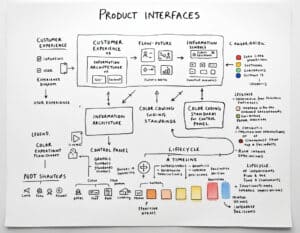
Every product presents an interface to the person using it, a software screen, a physical control panel or a printed instruction sheet, and this level builds the vocabulary and structural thinking behind all three. It starts by separating 顧客体験 from user experience, then moves into information architecture, the graphical symbol and color coding standards that keep a control panel legible under ストレス、そして ライフサイクル view that places interface decisions inside the broader development sequence rather than at its end.
Mechanical and electrical engineers rarely receive formal interface training, yet the interface is what a customer judges first and most harshly. This level gives an engineer building test equipment, industrial controls or consumer electronics the same baseline vocabulary a professional interaction デザイナー uses, so a hardware team can brief a specialist correctly or, on a small team, defend an interface decision without one.
オペレーターがパネルを正しく読み取ることができれば、メーカーは保証およびサポートコストを削減でき、製品開発者は、インターフェースの選択をプログラムの最後にのみ見直すことで発生する手戻りを回避できる。