क्या आप जानते हैं कि इलेक्ट्रिक वाहन अपने पूरे जीवनकाल में पेट्रोल से चलने वाली कारों की तुलना में 60% से भी कम उत्सर्जन करते हैं? यह तथ्य सटीक पर्यावरणीय प्रभाव मूल्यांकन की आवश्यकता को उजागर करता है। जब स्थिरता विश्लेषण की बात आती है, तो इस विषय पर एक बड़ा विवाद है। जीवन चक्र मूल्यांकन (LCA) और उत्पाद कार्बन फुटप्रिंट (पीसीएफ)। प्रत्येक विधि के अपने फायदे और नुकसान हैं जिन पर व्यवसायों को विचार करना चाहिए।
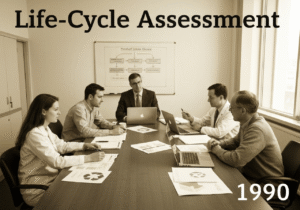
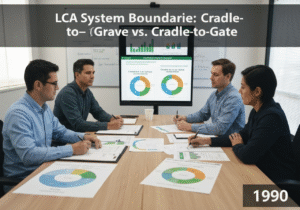
लाइफ़टाइम असेसमेंट (LCA) किसी उत्पाद की शुरुआत से अंत तक की यात्रा का विश्लेषण करता है। यह अक्सर विश्व भर के विभिन्न नियमों और मानकों द्वारा अनिवार्य होता है। यह विधि ओजोन परत को होने वाले नुकसान, जल उपयोग और जल निकायों के प्रदूषण जैसे कई प्रभावों का अध्ययन करती है। यह सुनिश्चित करती है कि उत्पाद के पर्यावरणीय प्रभाव को पूरी तरह से समझा जाए।
On the other hand, PCF measures greenhouse gases throughout a product’s life, turning them into CO2 equivalents. This specific focus means it can be done faster, using less effort and knowledge. This makes it a go-to for companies focusing on cutting carbon emissions.
Choosing between LCA and PCF depends on what resources you have, the norms in your industry, and your goals for sustainability.
Both methods are crucial in helping companies share how green their products are. Knowing the differences and uses of LCA and PCF helps businesses make choices that match their green goals.
मुख्य बातें
- जीवन चक्र Assessment (LCA) covers the entire life cycle of a product from cradle to grave, offering a comprehensive evaluation of environmental impacts.
- Product Carbon Footprint (PCF) focuses solely on greenhouse gas emissions, converting them into CO2 equivalents for comparison.
- LCA is often encouraged or required by various regulations, standards, and frameworks, addressing broader environmental issues beyond carbon emissions.
- PCF can be completed more quickly and with fewer resources, making it ideal for businesses focusing on carbon emission reduction.
Understanding Life Cycle Assessment (LCA)
What is Life Cycle Assessment?
A life cycle assessment यह उत्पादों के प्रकृति पर पड़ने वाले प्रभावों का गहन अध्ययन करता है। यह उत्सर्जन, संसाधनों के उपयोग और उत्पन्न होने वाले कचरे की जांच करता है। यह ISO 14040 जैसे वैश्विक मानकों का पालन करता है। ISO 14044इससे विश्वसनीय परिणाम मिलते हैं। एलसीए व्यवसायों को उनके प्रभाव के बारे में जागरूक करता है, जिससे उन्हें नुकसान कम करने में मदद मिलती है।
The Methodology of LCA
द LCA methodology यह अध्ययन चार चरणों से गुजरता है: लक्ष्य निर्धारण, डेटा संग्रहण, प्रभावों का आकलन और सुधार के लिए योजना बनाना। सबसे पहले, यह अध्ययन के उद्देश्य और दायरे को परिभाषित करता है। फिर, यह उत्पाद के जीवनचक्र में शामिल होने और बाहर निकलने वाली प्रक्रियाओं को समझने के लिए डेटा एकत्र करता है। अगला चरण वैश्विक तापवृद्धि जैसे पर्यावरणीय प्रभावों का विश्लेषण करता है।
Finally, the findings suggest how to lessen negative impacts. Tools make LCA easier by estimating carbon impacts with a single Global Warming Potential figure.
LCA vs PCF
LCA (Life Cycle Assessment) and PCF (Product Carbon Footprint) have different scopes and standards. They play unique roles in environmental reporting. The main difference is what they cover and the rules they follow.
Scope Comparison
एलसीए किसी उत्पाद के जीवनकाल में होने वाले कई पर्यावरणीय और स्वास्थ्य प्रभावों का विश्लेषण करता है। यह कई कारकों पर विचार करता है, जैसे कि... जलवायु परिवर्तनजल उपयोग आदि। एलसीए का उद्देश्य कई व्यावसायिक और स्थिरता संबंधी लक्ष्यों को पूरा करना है।
पीसीएफ किसी उत्पाद के जीवनकाल के दौरान ग्रीनहाउस गैसों की गणना करके जलवायु पर पड़ने वाले प्रभाव को मापता है। यह केवल वैश्विक तापक्रम परिवर्तन की संभावना पर केंद्रित होता है। पीसीएफ कंपनियों के लिए जलवायु संबंधी तात्कालिक लक्ष्यों को पूरा करने का एक तेज़ और कारगर साधन है।
Both use similar life cycle stages for evaluation but differ in detail and focus. PCF can be seen as a part of LCA focusing on greenhouse gases.
Application and Regulatory Requirements
LCA and PCF follow different regulatory standards like ISO 14040/44 and ISO 14067. LCA is often required by stricter global standards. It helps in making strategic decisions on various environmental issues.
पीसीएफ का उपयोग सरल नियमों के तहत कार्बन लक्ष्यों को पूरा करने के लिए किया जाता है। इसे अक्सर फैक्टशीट या रिपोर्ट में संक्षेप में प्रस्तुत किया जाता है। सटीकता के लिए दोनों विधियाँ उच्च गुणवत्ता वाले डेटा पर निर्भर करती हैं।
| पहलू | LCA | PCF |
|---|---|---|
| Scope | Broad (multiple environmental impacts) | Narrow (greenhouse gas emissions) |
| Focus Areas | Climate change, ozone depletion, water use, acidification, etc. | Climate impact (GHG emissions) |
| क्रियाविधि | Comprehensive analysis across life cycle stages | Specific analysis on GHG emissions |
| Regulatory Standards | ISO 14040/44, ISO 14067, PAS 2050 | आईएसओ 14067, जीएचजी उत्पाद जीवन चक्र मानक |
| Application | Strategic decisions on multiple environmental issues | Carbon-related targets and reporting |
The rest of this article is reserved for members
To limit scraping bots (currently 40,000 hits per day!),
we had to restrict access to full articles and tools to registered members only.
to access all the rest.