生命周期 评估(LCA)揭示了我们日常用品中隐藏的环境成本。它显示,超过 70% 的产品环境影响发生在我们拿到产品之前。这一事实凸显了生命周期评估在减少商品和服务自始至终的环境足迹方面的关键作用。
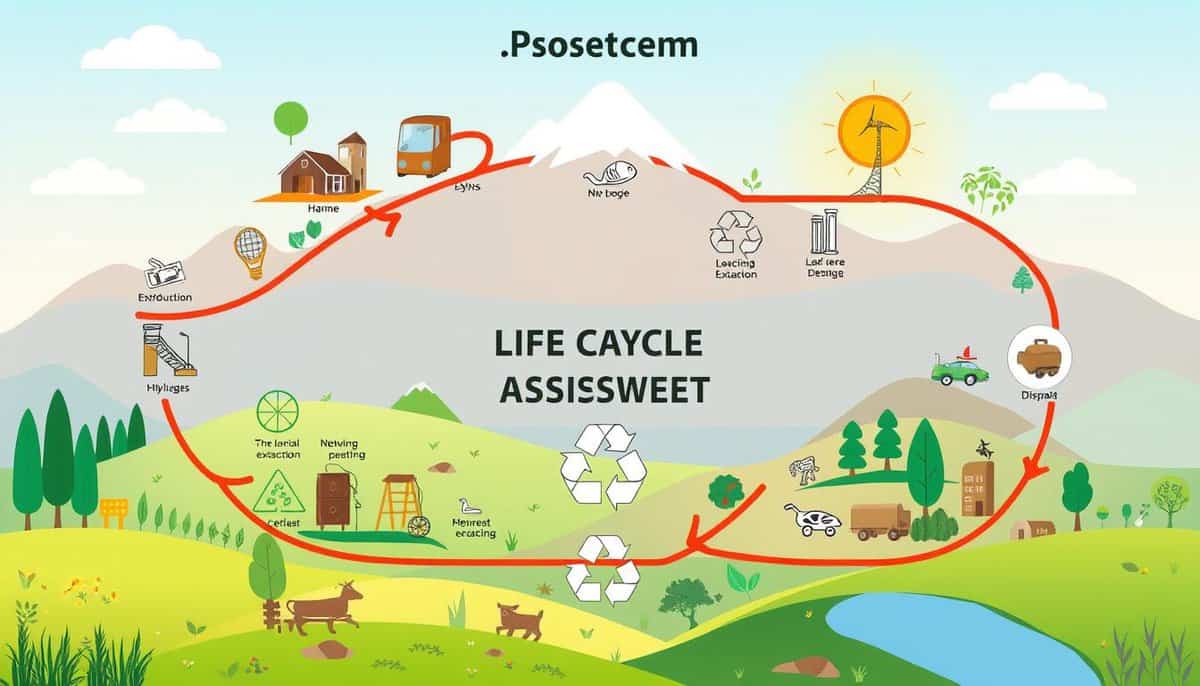
从获取原材料到制造、使用和丢弃产品,生命周期评估关注所有环境影响。它有助于公司和人们做出对地球更有益的选择。
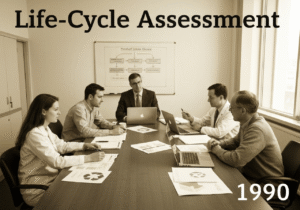
生命周期评估 (LCA) 是一种循序渐进的分析方法,重点关注产品或服务在其整个生命周期内的环境影响。通过 LCA,企业可以找到关键的改进领域,更有效地利用资源,并实现全球可持续发展目标。LCA 由 ISO 14040 和 ISO 14044 等标准支持。它包括设定目标、分析清单、评估影响和进行结果解读。通过仔细审查每个步骤,LCA 可以指导企业走向可持续发展。
了解产品的生命周期对于评估其环境影响和推动可持续创新至关重要。例如,大众汽车对其 ID.3 电动车进行的详细生命周期评估显示,该车在行驶 20 万公里后的二氧化碳排放量远远低于柴油车。这些发现鼓励人们开发更环保的产品。本指南解释了生命周期评估的意义、方法及其在促进可持续商业方法中的作用。
关键要点
- 生命周期评估(LCA)评估产品整个生命周期内的环境影响。
- 进行生命周期评价可以识别环境热点并优化资源利用。
- 大众对 ID.3 电动车的生命周期评估显示,与柴油车相比,ID.3 电动车的二氧化碳排放量更低。
- 生命周期评价受 ISO 14040 和 ISO 14044 等标准的约束。
- 生命周期评估对于实现全球可持续发展目标和减少环境足迹至关重要。
什么是生命周期评估(LCA)?
生命周期评估(LCA)对产品和服务在整个生命周期中对环境的影响进行评估。它着眼于以下各个方面 原料提取 到废弃。生命周期评估可以帮助企业找到需要改进的地方,减少生态足迹,从而提高可持续发展能力。
生命周期评估的定义
国际标准化组织 (ISO) 14040 和 14044 对生命周期评估的定义包括对环境影响和资源使用的评估。它考虑的阶段包括 原料提取 到废物处理。生命周期评估让企业能够衡量能源、材料、排放和废物,帮助企业做出可持续发展的选择。
可持续性的重要性
了解生命周期评价(LCA)的重要性是推广可持续实践的关键。它能帮助我们找到减少环境影响和更高效利用资源的方法。这种方法能够深入了解产品的生态影响,从而推动更环保的创新。
通过使用生命周期评估,公司可以达到全球可持续发展标准,帮助创造可持续发展的未来。
生命周期评估的目的和范围
生命周期评价 (LCA) 的主要目标是考察产品或服务从生产到最终处置对环境的影响。明确 LCA 的范围至关重要,因为它决定了评价的目标、受众、功能单元、系统限制以及方法选择。这些因素会极大地影响评价结果和解释。本部分将介绍 LCA 的关键方面:环境影响研究及其在各个行业的应用。
环境影响分析
环境影响分析 在产品的生命周期内考察排放、资源使用和环境影响。重要步骤包括
- 定义功能单元: 这部分探讨的是产品正常运行所需的条件。例如,烤面包机烤面包需要多少能量。
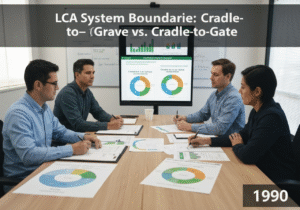
- 设定系统边界: 这决定了研究中包含哪些阶段,从而改变了人们对材料和能源的看法。
- 方法选择: 选择如何划分影响并对其进行评估是准确开展影响研究的关键,也是确保数据质量良好的关键。
通过注重数据质量和收集工作,企业可以进行准确的比较。它们可以真正了解其产品对环境的影响。
跨行业应用
生命周期评估广泛应用于制造、能源和消费品等领域。它可以帮助企业改善运营,减少对环境的影响。例如
- 制造: 生命周期评估显示了在生产过程中可以节约能源和减少浪费的地方。
- 能源部门: 探索不同的能源来源,以减少排放和资源消耗。
- 消费品: 通过评估材料及其整个生命周期,协助企业创造环保产品。
通过更好地利用资源、改善品牌形象、满足法规要求和吸引投资者,使用生命周期评估可为企业带来战略优势。
The rest of this article is reserved for members
To limit scraping bots (currently 40,000 hits per day!),
we had to restrict access to full articles and tools to registered members only.
to access all the rest.
常问问题
什么是生命周期评估(LCA)?
生命周期评估(LCA)研究产品或服务从开始到结束对环境的影响。这包括从获取材料到制造产品、使用产品和丢弃产品的所有环节。它衡量每个步骤对环境的影响,从而帮助企业降低环境足迹。
为什么生命周期评估对可持续发展很重要?
生命周期评估显示产品对环境的影响,帮助企业做出更环保的选择。它能找到提高环境绩效的方法,并创造出可持续发展的产品。
生命周期评估的主要目的是什么?
生命周期评估旨在评估产品从生命开始到生命结束对环境的影响。它致力于改进工艺,降低对环境的影响,处理资源使用、能源和排放等问题。
生命周期评估的四个关键阶段是什么?
生命周期评估分为四个主要步骤:设定目标和范围,编制能源和材料使用及其环境排放清单,评估潜在影响,以及解释评估结果以指导决策。
什么是产品生命周期?
这 产品生命周期 首先是获取原材料,然后是制造和加工。之后,产品被运输、使用,最后被处理或回收。每个阶段都会对环境产生不同的影响,了解这些影响有助于减少这些影响。
生命周期模型有哪些不同方法?
生命周期模型有好几种。“从摇篮到坟墓”模型考察的是产品从生产到报废的整个生命周期影响,“从摇篮到大门”模型则止于产品离开工厂的那一刻。 从摇篮到摇篮 侧重于回收利用,而从生产到交付的整个过程则着眼于单一阶段内的影响。
什么是 ISO 14040?
ISO 14040 规定了 框架 以及进行生命周期评估的规则。它确保了生命周期评估的一致性,并可在不同的研究中进行比较。
什么是 ISO 14044?
ISO 14044 规定了评估影响、解释生命周期和报告结果的具体细节。其目的是使生命周期评估更加可靠和统一,帮助提供可靠的环境信息。
生命周期评估与环境影响评估有何不同?
环境影响评估着眼于特定项目对环境的影响。而生命周期评估则考察产品或服务在其整个生命周期内的总体环境影响。两者适用于不同的需求和情况。
生命周期评估如何促进可持续产品开发?
生命周期评估(LCA)通过将环境因素纳入设计过程,对提高产品的可持续性至关重要。利用LCA的结果,环境设计(DfE)和 生态设计 这些方法能够生产出在其整个生命周期内对环境更加友好的产品。
开展生命周期评估的常见挑战是什么?
获取准确完整的数据往往是获得可靠的生命周期评估结果的障碍。各组织很难找到全面环境评估所需的详细数据。
对生命周期评估有哪些批评?
对生命周期评估的批评指出了数据敏感性、方法不一致和主观解释等问题。为了解决这些问题,需要在生命周期评估过程中实现标准化、提高数据质量和透明度。
有关生命周期评估的外部链接
(将鼠标悬停在链接上即可查看内容描述)
常用术语表
International Organization for Standardization (ISO): 一个非政府国际机构,致力于制定和发布标准,确保各行各业的质量、安全、效率和互操作性,促进全球贸易与合作。该机构成立于1947年,由各成员国的国家标准化组织组成。
Life Cycle Assessment (LCA): 对产品生命周期各个阶段(从原材料提取到生产、使用和处置)的环境影响进行系统分析,旨在发现改进机会并为决策提供信息。
Life Cycle Impact Assessment (LCIA): 一种评估产品生命周期各个阶段(从原材料提取到生产、使用和处置)的环境影响的方法,重点关注资源消耗、排放和潜在的生态影响。
Upcycle: 将废弃材料或不需要的产品转化为质量或价值更高的新产品,通常是通过创造性的再利用或重新利用,从而减少对环境的影响并促进可持续发展。