Product Design, Manufacturing & Innovation Resources
घर » रासायनिक वाष्प जमाव (सीवीडी)

रासायनिक वाष्प जमाव (सीवीडी)

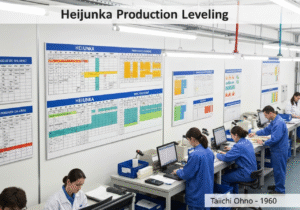
1960
सब्सट्रेट और रासायनिक अग्रदूतों के साथ अर्धचालक निर्माण के लिए सीवीडी चैम्बर।

(यह छवि केवल उदाहरण के लिए बनाई गई है)

Chemical Vapor Deposition (सीवीडी) एक है कलई करना process where a substrate is exposed to one or more volatile chemical precursors. These precursors react or decompose on the substrate’s surface in a reaction chamber, producing a high-purity, high-performance solid thin फिल्म or coating. Temperature and दबाव ये महत्वपूर्ण प्रक्रिया पैरामीटर हैं जो जमाव दर और फिल्म की गुणवत्ता को नियंत्रित करते हैं।

CVD is a highly versatile process capable of producing a wide variety of materials, including metals, ceramics, and polymers. The process begins with the introduction of gaseous precursor molecules into a vacuum chamber containing the heated substrate. The high temperature of the substrate provides the energy needed to break the chemical bonds in the precursor molecules, a process known as pyrolysis. The resulting reactive species then adsorb onto the substrate surface, diffuse, and react to form a stable solid film. Byproducts of the reaction are then desorbed and pumped out of the chamber. There are numerous variations of CVD, each tailored for specific applications. For example, Metalorganic CVD (MOCVD) uses metalorganic precursors and is crucial for manufacturing compound semiconductor devices like LEDs. Plasma-Enhanced CVD (PECVD) uses a plasma to energize the precursor gases, allowing deposition at lower temperatures, which is essential for substrates that cannot withstand high heat. Atomic Layer Deposition (ALD), a subtype of CVD, involves sequential, self-limiting surface reactions, enabling the deposition of films with atomic-level thickness control. The quality, stoichiometry, and morphology of the deposited film are precisely controlled by adjusting parameters like substrate temperature, chamber pressure, gas flow rates, and precursor chemistry.

UNESCO Nomenclature: 3322
सामग्री प्रौद्योगिकी

Type

रासायनिक प्रक्रिया

व्यवधान

मूलभूत

उपयोग

व्यापक उपयोग

शगुन

  • गैस-अवस्था रासायनिक गतिकी की समझ
  • वैक्यूम प्रौद्योगिकी का विकास
  • वाष्पशील रासायनिक यौगिकों (पूर्ववर्तियों) का संश्लेषण
  • उच्च तापमान भट्टी प्रौद्योगिकी में प्रगति
  • नाभिकीयकरण और फिल्म वृद्धि के सिद्धांत

आवेदन

  • अर्धचालक उपकरण निर्माण (उदाहरण के लिए, सिलिकॉन डाइऑक्साइड, सिलिकॉन नाइट्राइड, पॉलीसिलिकॉन परतें)
  • काटने वाले औजारों के लिए कठोर कोटिंग्स का उत्पादन (उदाहरण के लिए, टाइटेनियम नाइट्राइड)
  • ऑप्टिकल फाइबर का निर्माण
  • कृत्रिम हीरों का निर्माण
  • एयरोस्पेस घटकों के लिए संक्षारण और उच्च तापमान प्रतिरोधी कोटिंग्स

पेटेंट:

NA

संभावित नवाचार विचार

बॉट ट्रैफिक को कम करने के कारण, जो वर्तमान में प्रति दिन 40,000 से अधिक है, यह सामग्री केवल समुदाय के सदस्यों के लिए आरक्षित है।
> लॉगिन < या > रजिस्टर < इस सामग्री और अन्य सभी प्रतिबंधित सामग्रियों और उपकरणों तक पहुंच (100% निःशुल्क) है।

संबंधित विषय: सीवीडी, रासायनिक वाष्प निक्षेपण, पतली फिल्म, अर्धचालक, अग्रदूत, निक्षेपण, कोटिंग, प्लाज्मा, एमओसीवीडी, सतह इंजीनियरिंग।

ऐतिहासिक संदर्भ

रासायनिक वाष्प जमाव (सीवीडी)

1960
1960
1960
1960
1960
1960
1960
1958
1960
1960
1960
1960
1960
1960
1960

(यदि तिथि अज्ञात है या प्रासंगिक नहीं है, उदाहरण के लिए "द्रव यांत्रिकी", तो इसके उल्लेखनीय उद्भव का एक अनुमानित आंकड़ा प्रदान किया गया है)

शीर्ष पोस्ट और लेख

शीर्ष मूल उपकरण

पंजीकृत सदस्यों के लिए पूर्ण आकार की छवियाँ और डाउनलोड 100% निःशुल्क उपलब्ध हैं।