Product Design, Manufacturing & Innovation Resources
घर » उत्पादन रूप » डिज़ाइन युक्तियाँ » कम ही ज़्यादा है। आपको सरल डिज़ाइन क्यों चाहिए?

कम ही ज़्यादा है। आपको सरल डिज़ाइन क्यों चाहिए?

कम ही ज़्यादा है। आपको सरल डिज़ाइन क्यों चाहिए?

उत्पाद डिज़ाइन में "कम ही ज़्यादा है" का सिद्धांत सरलता और कार्यक्षमता की वकालत करता है, जिससे अक्सर बेहतर परिणाम प्राप्त होते हैं। प्रयोगकर्ता का अनुभव और उत्पादन लागत में कमी आती है। अनावश्यक विशेषताओं को कम करके और मुख्य कार्यक्षमताओं पर ध्यान केंद्रित करके, डिज़ाइनर ऐसे उत्पाद बनाते हैं जिनका उपयोग और रखरखाव आसान होता है। सुव्यवस्थित डिज़ाइन से सौंदर्यबोध बढ़ता है और निर्माण दोषों की संभावना कम हो जाती है, क्योंकि कम घटकों के कारण संयोजन प्रक्रिया सरल हो जाती है। यह दृष्टिकोण अक्सर टिकाऊ प्रथाओं के अनुरूप होता है, क्योंकि इससे उत्पादन के दौरान सामग्री की बर्बादी और ऊर्जा की खपत कम हो सकती है।

मुख्य बातें

पाब्लो पिकासो, लेस 11 एटैट्स सक्सेसिफ्स डे ला लिथोग्राफी ले टौरो, 1945।
  • उत्पाद डिजाइन में 'कम ही अधिक है' का सिद्धांत जटिलता की तुलना में सरलता पर जोर देता है।
  • न्यूनतम डिजाइन उपयोगकर्ता अनुभव और संतुष्टि को बढ़ाता है।
  • स्पष्ट और सुव्यवस्थित इंटरफेस बेहतर बनाते हैं। उपयोगिता.
  • सफल उत्पाद अक्सर अनावश्यक विशेषताओं के बजाय आवश्यक विशेषताओं को प्राथमिकता देते हैं।
  • सरलता अक्सर ब्रांड की पहचान को बढ़ाती है।

दाईं ओर की लिथोग्राफी देखें, जो पाब्लो पिकासो द्वारा अपने प्रसिद्ध बैलों में से एक के रेखाचित्र से ली गई है ( लेस 11 एटाट्स सक्सेसिफ़्स डे ला लिथोग्राफ़ी ले टौरो(1945)। हालांकि हममें से अधिकांश लोग पहले संस्करण पर बहुत गर्व करते, सबसे सरल संस्करण तक पहुंचने में उन्हें 11 संस्करण लगे, जहां हर पंक्ति मायने रखती है और उनके बैल को अविस्मरणीय बनाती है। सरल डिज़ाइन यह उनके लक्ष्य का हिस्सा था और यहीं उनकी प्रतिभा का योगदान था।

महज कुछ ही पंक्तियों में, बैल को पहचाना जा सकता है और उसकी सभी दृश्य पहचान (मजबूत कंधे, पूंछ, बहादुर सींग, मर्दाना विशेषताएं) मौजूद हैं ताकि एक सशक्त संदेश दिया जा सके, जबकि कम महत्वपूर्ण विवरण पूरी तरह से गायब हो गए हैं।

पिकासो का अंत वहीं हुआ जहाँ से हम सभी की शुरुआत होती।एफ. मोरलोट
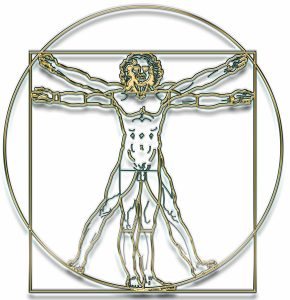
सरल डिजाइन, लियोनार्डो दा विंची द्वारा निर्मित विट्रुवियन मैन

पिकासो का यह उदाहरण प्रसिद्ध लिथोग्राफ प्रिंटर फर्नांड मोरलॉट की पुस्तक "ग्रेव्स डान्स मा मेमोइरे" के एक उत्कृष्ट लेख से लिया गया है, संपादक रॉबर्ट लाफोंट (1979)।

सादगी की यही अवधारणा लियोनार्डो दा विंची द्वारा अपनी प्रतिष्ठित कृति में बाईं ओर उजागर की गई है। विट्रुवियन मैन, पांच शताब्दियों पहले।

थोड़ा ही काफी है

“कम ही ज़्यादा है” की डिज़ाइन फिलॉसफी उत्पादों के निर्माण में न्यूनतम दृष्टिकोण को प्राथमिकता देती है। यह मानती है कि अत्यधिक जटिलता उपयोगकर्ताओं को भ्रमित करती है, जिससे उनका अनुभव कम सुखद होता है। डिज़ाइनर सरलता को अपना लक्ष्य बनाते हैं, विचारों को शुद्ध रखते हुए उन्हें उपयोगी बनाए रखने का प्रयास करते हैं।

नीचे वर्णित कई डिज़ाइन आंदोलन इस सरल दृष्टिकोण का समर्थन करते हैं। वे दर्शाते हैं कि कैसे सरलता चीजों को उपयोग में आसान बनाती है, क्योंकि न्यूनतम दृष्टिकोण अनावश्यक चीजों को हटाकर एक स्पष्ट और आकर्षक अनुभव बनाने में मदद करता है।

मिनिमलिस्ट डिज़ाइन को समझना: डिजाइन में मिनिमलिज़्म का अर्थ है चीजों को सरल रखना और अनावश्यक चीजों को हटाना। इसका मतलब है कि डिजाइन के हर हिस्से का कोई न कोई उद्देश्य हो। इससे उपयोगकर्ता का अनुभव बेहतर होता है और डिजाइन देखने में भी आकर्षक लगता है।

मिनिमलिस्ट डिज़ाइन के प्रमुख सिद्धांत

मिनिमलिज़्म सिर्फ़ दिखावे के बारे में नहीं है, बल्कि स्पष्टता और कार्यक्षमता और जो वास्तव में महत्वपूर्ण है उस पर ध्यान केंद्रित करें। इसके मुख्य बिंदु इस प्रकार हैं:

  • सुव्यवस्थित लुक के लिए साफ-सुथरी रेखाओं का उपयोग किया गया है।
  • सामंजस्य स्थापित करने के लिए कुछ रंगों का चयन करना। उत्पाद डिज़ाइन में, अक्सर 1 रंग, अधिकतम 2 रंग (और 3 रंग जोखिम भरा हो सकता है) का उपयोग किया जाता है।
  • उपयोगकर्ता के साथ बातचीत को सरल बनाना।
  • यह सुनिश्चित करना कि डिजाइन के प्रत्येक भाग का एक स्पष्ट कार्य हो।
  • लेआउट को बेहतर बनाने के लिए जगह का उपयोग करना।

ये विचार दर्शाते हैं कि कैसे न्यूनतम डिजाइन प्रौद्योगिकी और वास्तुकला को बदल सकता है? नीचे दिए गए लिविंग रूम के चित्र में कितने रंग हैं?

A minimalist, modern interior space with clean lines, natural materials, and neutral tones. A large, uncluttered window dominates the foreground, allowing natural light to flood the room. The middle ground features a simple, low-profile sofa and a minimalist coffee table, with a few carefully curated decor pieces. The background showcases a bare, white wall, creating a sense of tranquility and focus. The entire scene is captured with a wide-angle lens, emphasizing the open, airy feel of the space. The lighting is soft and diffused, creating a serene and contemplative atmosphere that embodies the essence of minimalist design.

डिजाइन में सरलता का महत्व

डिजाइन में सरलता से सब कुछ स्पष्ट हो जाता है, जिससे उत्पादों का उपयोग करने का तरीका बेहतर हो जाता है। डिजाइनर चीजों को सरल रखने के लिए कड़ी मेहनत करते हैं। वे अनावश्यक चीजों को हटा देते हैं ताकि हर कोई महत्वपूर्ण चीजों पर ध्यान केंद्रित कर सके।

पूर्णता तब प्राप्त होती है, जब जोड़ने के लिए कुछ भी न बचे, बल्कि जब हटाने के लिए कुछ भी न बचे।“, एंटोनी डी सेंट-एक्सुपेरी

  • उपयोगकर्ताओं के लिए स्पष्टता और लक्ष्य निर्धारण: जब डिज़ाइन स्पष्ट होते हैं, तो लोग उत्पाद के कार्य को तुरंत समझ जाते हैं। सरल इंटरफ़ेस कठिन कार्यों को आसान बना देते हैं। इससे सभी का जीवन सरल हो जाता है। सहज डिज़ाइन उपयोगकर्ताओं को एक कार्य से दूसरे कार्य पर आसानी से जाने में मदद करते हैं और सब कुछ तेज़ करके निराशा को कम करते हैं।
  • उपयोगिता और सुरक्षा: सरल डिज़ाइन उपयोगिता के लिए बेहतरीन होते हैं और उत्पादों के प्रति हमारे अनुभव को बेहतर बनाते हैं। सरलता बनाए रखने से उत्पाद हमारे दिमाग पर बोझ नहीं डालते। शीर्ष ब्रांड इस बात को अच्छी तरह समझते हैं।
  • Enhancing User Experience (यूएक्स) through clean and intuitive design: prioritizing simplicity in design enhances user experience. Designers aim for interfaces that users can easily navigate, easy to use in order to appeal to a wider audience. A product’s success often hinges on efficiently solving users’ problems.
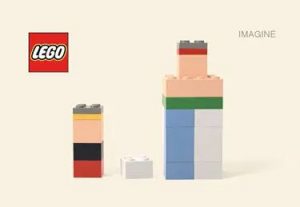
Lego lean creative
यह भी देखेंसर्वश्रेष्ठ 2 लेगो लीन क्रिएटिव विज्ञापन - मुफ़्त आइडिएशन गेम


Design Elementउपयोगकर्ता अनुभव पर प्रभाव
सादगीयह संज्ञानात्मक भार को कम करता है, जिससे उपयोगकर्ताओं के लिए समझना और बातचीत करना आसान हो जाता है।
Navigationयह उपयोगकर्ताओं को उत्पाद के माध्यम से आसानी से मार्गदर्शन करता है, जिससे समग्र संतुष्टि बढ़ती है।
Feedbackयह उपयोगकर्ताओं को उनके कार्यों के बारे में आवश्यक जानकारी प्रदान करता है, जिससे सफल अंतःक्रियाओं की पुष्टि होती है।
दृश्य पदानुक्रमयह महत्वपूर्ण तत्वों पर ध्यान केंद्रित करता है, जिससे उपयोगिता और सहभागिता में सुधार होता है।

A sleek, minimalist desktop setup with a laptop, a wireless mouse, and a simple yet elegant lamp. The laptop screen displays a clean, user-friendly interface with intuitive icons and seamless navigation. Soft, diffused lighting casts a warm glow, creating a calm and focused atmosphere. The background is a muted, neutral color palette, allowing the products to take center stage. The overall scene conveys a sense of simplicity, efficiency, and enhanced user experience through thoughtful, uncluttered design.

टोकी पोना भाषा के अनुसार डिजाइन करें

टोकी पोना टोकी पोना (शाब्दिक अर्थ: अच्छी भाषा, अच्छाई की भाषा) एक पूर्ण भाषा है जिसे 2001 में सोन्या लैंग ने सरलता और अच्छाई के उद्देश्य से बनाया था। यह एक सरलीकृत भाषा है जिसे केवल लगभग 120 शब्दों के छोटे समूह का उपयोग करके विचारों को व्यक्त करने के लिए बनाया गया है। यह सरलता स्पष्ट और संक्षिप्त संचार को प्रोत्साहित करती है, जिससे सीखने वालों के लिए भाषा को समझना और जल्दी से उपयोग करना आसान हो जाता है। जटिलता से बचने के कारण, टोकी पोना बोलने वालों को आवश्यक अवधारणाओं पर ध्यान केंद्रित करने और गलतफहमियों को कम करने में मदद करती है। टोकी पोना का अभ्यास करने से जागरूकता और रचनात्मकता को बढ़ावा मिलता है, क्योंकि उपयोगकर्ताओं को अक्सर सीमित शब्दावली के साथ अर्थ व्यक्त करने के नए तरीके खोजने की आवश्यकता होती है।

केवल 120 शब्दों में आप सब कुछ व्यक्त कर सकते हैं, जिससे आपको सकारात्मक तरीके से सीधे मुद्दे पर आने के लिए बाध्य होना पड़ता है।

इन लाभों में से एक यह है कि आप एक महीने में एस्पेरांतो की मूल बातें और एक दिन में टोकी पोना सीख सकते हैं। उदाहरण के लिए: "लिंजा" का अर्थ होगा "रेखा", "बाल", "तार"। इसी तरह का दृष्टिकोण अपनाने से आपके डिजाइन प्रोजेक्ट की उत्पादन क्षमता की कल्पना कीजिए!

फार्म समारोह के बाद

The concept of “form follows function” has its roots in the early 20th century in architecture., particularly associated with architects and designers like Louis Sullivan, who is often credited with coining the phrase, followed by Frank Lloyd Wright and other architects.

This principle suggests that the shape of a building or product should primarily relate to its intended function or purpose. In architectural design, it नेतृत्व किया to the development of structures that reflect their utility, such as skyscrapers that prioritize verticality to accommodate urban density. The movement gained momentum with the advent of modernism, which championed simplicity and functionality as key characteristics in the design of both buildings and objects.

Simple great juice squeezer, © ph. Starck - alessi
Simple great juice squeezer, © ph. Starck – alessi

In smaller mechanical design, this concept would be related to एर्गोनॉमिक्स and usability.

Some famous industrial designers have followed that with great success in the last 20 years. One of the iconic examples is the lean Juice Squizeer designed by Philippe Stack and produced by Alessi using the casting technique on the right:

All is about forms and functions in Stark’s lean design:

    • The form on the top to shred the pulp
    • The form in the middle to direct the juice to one central point, above the glass
    • The three legs with angles to stay out of the juice and avoiding hyperstatism
  • Not to mention the original shapes and ideas (rocket, ant, tree, nature …). Some may argue about the volume taken in the kitchen for storage; good products are likely more frequently used, stay in focus, and therefore not be stored.

फार्म समारोह के बाद” can also be observed in various industries. Manufacturing practices more and more also align with this concept, as एडिटिव मैन्युफैक्चरिंग allowing the creation of complex geometries without unnecessary material waste. In aerospace, components are now often designed using topology optimization, resulting in parts that possess intricate shapes while achieving structural integrity and weight reduction.

See our detailed Forms Follows Function article and image library:

Geometrical 1522389516
यह भी देखेंउत्पाद डिज़ाइन में, विशेष रूप से, आकार कार्य का अनुसरण करते हैं।


A minimalist abstract composition depicting the core design principle of "form follows function". In the foreground, sleek geometric shapes in muted tones representing functional elements. The middle ground features a clean, unobstructed layout emphasizing simplicity. In the background, a soft, neutral gradient conveys a sense of balance and harmony. Subtle lighting casts gentle shadows, highlighting the interplay of form and function. The overall mood is one of elegant restraint, reflecting the essence of simplistic, purposeful design.

The K.I.S.S. Principle in Product Design

Keep It Simple, Stupid.

The KISS principle reminders designers in a memorable way to make better products focusing on simplicity, and effectiveness. Simple, intuitive products come from cutting out unnecessary parts.

Complexity is your enemy. Any fool can make something complicated. It is hard to make something simple.Sir Richard Branson

  • simple to design; which means in less time on the market
  • simplicity to build, assemble & control; frequently means cheaper
  • simpler for your users to learn and use
  • means also reliable & easy to maintain with standards parts and not too many specific tools or training

When more is just too much! Do not add additional spares. Remember these DIY assemble shelves: when you finished to assembled them, you are left with one or two additional screws or nuts? Were they provided as spares, or did you just forget them? Just don’t put them in the package, or be very clear on their purpose in the assembly instructions. As always, use with brain; fragile rare bulbs or easy-to-loose tiny screws can be an exception.

A minimalist product design workspace with clean lines and a focus on simplicity. In the foreground, a sleek, modern product with a smooth, uncluttered surface rests on a white table, illuminated by soft, natural lighting from a large window in the background. The middle ground features a few essential design tools, such as a sketchpad and a pen, neatly arranged on the table. The background is a bright, airy space with white walls, creating a sense of openness and clarity, emphasizing the kiss (keep it simple, stupid) principle in product design.

Jugaad to Design Simple

Jugaad to design simple

From the famous eponym book from Navi RADjou, Jaideep  PRABHU, and Simone AHUJA, the Jugaad methodology, rooted in Indian innovation culture, is based on the idea of finding low-cost, resourceful solutions to problems by working with what is readily available. This approach values simplicity, adaptability, and quick thinking, often relying on creative improvisation instead of formal processes. By utilizing local resources and existing materials, Jugaad allows individuals and organizations to overcome constraints that may otherwise limit innovation.

The Jugaad approach is one of the root of the frugal innovation concept.

Kalashnikov, the easiest to repair = kiss principle

In product design, Jugaad encourages टीमें to create functional prototypes and solutions without waiting for perfect conditions or elaborate funding. Designers often repurpose everyday items or modify basic components to meet immediate user needs. This results in products that are accessible, affordable, and tailored to specific challenges. Through its practical and flexible methods, Jugaad often leads to unexpected innovations well-suited for environments with limited means.

This promotes not only simplicity in the design, but also (re)usage of already existing technologies or already developed products. A great book and a must-have in an innovation context.

Although not our preferred example of a successful सरल डिज़ाइन product, it is said that:

“One can repair a Kalashnikov with just a rubber band and a paper clip”

Jugaad
यह भी देखेंआपके डिज़ाइनों के लिए 6 शानदार जुगाड़ सिद्धांत


Why Complex Products Fail

Markets failures: many complex products in the market fail because they have too many features. This often overwhelms users. The failure of these products usually comes from not meeting customer expectations. Simplifying design to focus on user experience is essential.

Examples of overly complicated products: some consumer electronics have user interfaces that are hard to use. Remember the washing machines in the 80s with 50+ washing programs? While you were just using “White” or “Color” and dry or not at the end. Now arguments are simplicity first, offset time start, energy consumption, and sometimes noise level.

Technical failures: complex products often consist of numerous interconnected components and systems, each with specific functionalities and tolerances. This intricate design increases the likelihood of defects or failures due to various factors, including material variability, manufacturing inconsistencies, and assembly errors.

The interaction between these components can create unforeseen तनाव points, also leading to performance issues that may not be identified during the testing phase.

Rigorous market and V&V testing so as quality control measures are essential to mitigate these risks, yet the multifaceted nature of complex products inherently increases the potential for failure.

How many times was your latest hip-full-of-gadgets product out of service because of a secondary function that you don’t even use?

Do we really need cars with glasses opening some millimeters, just before closing the door to avoid the slight discomfort of over दबाव? Just calculate the  percentage time of usage in the product lifetime, versus potential failures inducted by the additional wearing of मोटर and sealings.

A sleek, minimalist product design in a natural, well-lit environment. The foreground features a simple, elegant object with clean lines and a muted color palette, showcasing a balance of form and function. The middle ground depicts a minimalist workspace or table setting, with subtle textures and neutrals that complement the product. The background is a serene, softly-lit space, perhaps with natural elements like plants or natural wood, conveying a sense of balance and tranquility. The overall mood is one of understated sophistication, where the product's simplicity and thoughtful design are the true stars.

Iconic Simple Designs

Simple gui
सरल जीयूआई

Looking at successful simple designs shows how minimalism can improve product design. Many brands show that simplicity can make the user experience better and strengthen brand identity. एप्पल is a key example in this area.

Apple’s Approach to Minimalist Product Design

Apple’s simple design philosophy plays a big part in its products’ success. Its devices are known for being easy to use with a sleek look, “Apple’s clean style”. Apple even uses this minimalist design in its विपणन and packaging. This made the brand easy to recognize and remember.

Other big brands have also succeeded with simple designs. For example, Google and Spotify offer easy-to-use interfaces that make for a smooth user experience. Pringles stands out with its unique can design.

Balancing aesthetics and functionality in design: in the world of product design, there’s a big talk about looks vs. how things work. Making a product that’s both pretty and practical can make users happy and loyal. A good-looking product can grab attention, but it needs to work well, or people will lose interest. Designers have to focus on this balance. They need to make sure colors, shapes, and textures also help the product do its नौकरी.

The main goal is to make products that wow people with their looks and work like a charm, ie putting looks and function on equal footing


BrandDesign Featureप्रभाव
एप्पलSleek interfaces with minimal distractionEnhanced user experience and clarity
गूगलSimple search interfaceFast access to information
SpotifyUser-friendly music navigationIncreased user engagement
PringlesUnique cylindrical packagingMemorable branding and easy recognition


निष्कर्ष

Charles mingus 1976 simplicity
Charles mingus 1976 simplicity, by tom marcello, under cc by-sa 2. 0

Complementary to the Richard Branson intro quote, artists alike:

Making the simple complicated is commonplace; making the complicated simple, awesomely simple, that’s creativity.” Charles Mingus

How many notes do you need to recognize Mile Davis ?

Miles davis "the man with the horn" by peter buitelaar, cc by 2. 0
Miles davis “the man with the horn” by peter buitelaar, cc by 2. 0

Comic less is more in gui

अक्सर पूछे जाने वाले प्रश्न

उत्पाद डिजाइन में "कम ही बेहतर है" का क्या अर्थ है?

“कम ही ज़्यादा है” का अर्थ है उत्पाद डिज़ाइन में सरलता पर ज़ोर देना। इसका मतलब है कार्यक्षमता और उपयोगकर्ता अनुभव को बेहतर बनाने के लिए अनावश्यक चीज़ों को हटाना। यह सरलता और कार्यक्षमता का समर्थन करता है, और यह दावा करता है कि न्यूनतम दृष्टिकोण उपयोगकर्ता अनुभव और उत्पाद की दक्षता को बढ़ा सकता है। यह सिद्धांत डिज़ाइनरों और इंजीनियरों को अनावश्यक तत्वों को हटाने और जटिलता से बोझिल किए बिना उपयोगकर्ता की ज़रूरतों को पूरा करने वाली मुख्य विशेषताओं पर ध्यान केंद्रित करने के लिए प्रोत्साहित करता है।

मिनिमलिस्ट डिजाइन उपयोगकर्ता अनुभव को कैसे बेहतर बनाता है?

मिनिमलिस्ट डिज़ाइन साफ़-सुथरे और सरल इंटरफ़ेस प्रदान करके उपयोगकर्ताओं के लिए चीज़ों को आसान बनाता है। इससे अनावश्यक और उलझन पैदा करने वाली सुविधाओं के बिना इसे समझना और उपयोग करना आसान हो जाता है। मिनिमलिस्ट डिज़ाइन सरलता और कार्यक्षमता को प्राथमिकता देकर उपयोगकर्ता अनुभव को बेहतर बनाता है, जिससे इंटरैक्शन सुव्यवस्थित होते हैं और संज्ञानात्मक भार कम होता है। प्रमुख सिद्धांतों में अनावश्यक तत्वों को हटाना, सीमित रंग पैलेट का उपयोग करना और उपयोगकर्ता की ज़रूरतों को सीधे पूरा करने वाली आवश्यक सुविधाओं पर ध्यान केंद्रित करना शामिल है।

जटिल उत्पाद अक्सर उपयोगकर्ताओं की जरूरतों को पूरा करने में विफल क्यों हो जाते हैं?

डिजाइन और विकास प्रक्रियाओं से संबंधित विभिन्न कारकों के कारण जटिल उत्पाद अक्सर उपयोगकर्ताओं की आवश्यकताओं को पूरा करने में विफल रहते हैं। अत्यधिक जटिलता के कारण उपयोगकर्ता की आवश्यकताओं को समझने में गलतफहमी हो सकती है, क्योंकि जटिल विशेषताएं उपयोगकर्ताओं द्वारा अपेक्षित प्राथमिक कार्यों से ध्यान भटका सकती हैं। विकास चरण के दौरान अपर्याप्त उपयोगकर्ता परीक्षण के परिणामस्वरूप ऐसा उत्पाद बन सकता है जो वास्तविक उपयोगकर्ता व्यवहार या प्राथमिकताओं के अनुरूप न हो। इसके अलावा, डिजाइन, इंजीनियरिंग और मार्केटिंग जैसी विभिन्न विभागों के बीच संचार की कमी अंतिम उत्पाद में उपयोगकर्ता की प्रतिक्रिया को शामिल करने में बाधा उत्पन्न कर सकती है।

उत्पाद डिजाइन को सरल बनाने में उपयोगकर्ता की प्रतिक्रिया की क्या भूमिका होती है?

उपयोगकर्ता प्रतिक्रिया से डिज़ाइनरों को यह जानने में मदद मिलती है कि क्या कारगर है और क्या नहीं, जिससे वे उपयोगिता में सुधार कर सकते हैं। यह कमियों और सुधार के क्षेत्रों की पहचान करके उत्पाद डिज़ाइन को परिष्कृत करने के लिए एक महत्वपूर्ण इनपुट के रूप में कार्य करता है। प्रतिक्रिया के व्यवस्थित संग्रह के माध्यम से, डिज़ाइनर और इंजीनियर उन विशिष्ट विशेषताओं को इंगित कर सकते हैं जो उपयोगकर्ता इंटरैक्शन को जटिल बना सकती हैं, जिससे कार्यक्षमता को सुव्यवस्थित करने वाले क्रमिक संशोधन किए जा सकते हैं।

KISS सिद्धांत क्या है, और यह महत्वपूर्ण क्यों है?

KISS सिद्धांत का अर्थ है "चीज़ों को सरल रखें।" यह बहुत महत्वपूर्ण है क्योंकि यह सरलता पर ज़ोर देता है, जिससे उत्पाद समझना और उपयोग करना आसान हो जाता है। यह सिद्धांत कहता है कि सिस्टम और डिज़ाइन यथासंभव सरल होने चाहिए ताकि जटिलता कम से कम हो और कार्यक्षमता एवं उपयोगिता अधिकतम हो। उत्पाद डिज़ाइन और निर्माण में यह सिद्धांत महत्वपूर्ण है क्योंकि इससे संभावित त्रुटियाँ कम होती हैं, उत्पादन लागत घटती है और उपयोगकर्ता अनुभव बेहतर होता है।

प्रोडक्ट डिज़ाइनर सरलता और कार्यक्षमता के बीच संतुलन कैसे बनाते हैं?

कंपनियां वास्तव में महत्वपूर्ण सुविधाओं का सावधानीपूर्वक चयन करके संतुलन स्थापित करती हैं। वे उपयोगकर्ता की आवश्यकताओं को पूरा करने और यह सुनिश्चित करने पर ध्यान केंद्रित करती हैं कि जोड़ी गई हर चीज़ वास्तव में उपयोगी हो। इसमें अनावश्यक जटिलताओं को कम करते हुए आवश्यक सुविधाओं को बनाए रखने के लिए पुनरावृत्ति प्रोटोटाइपिंग और उपयोगकर्ता परीक्षण शामिल हैं। डिज़ाइनर न्यूनतमवाद जैसे सिद्धांतों का उपयोग करते हैं। सहज इंटरफ़ेस इसका डिज़ाइन अंतःक्रियाओं को सुव्यवस्थित करने और उपयोगकर्ताओं के लिए संज्ञानात्मक भार को प्रभावी रूप से कम करने के लिए बनाया गया है।


Complementary Readings

  • उपयोगकर्ता केंद्रित डिजाइन (यूसीडी): सहज ज्ञान युक्त उत्पाद बनाने के लिए अंतिम उपयोगकर्ताओं की जरूरतों और प्राथमिकताओं पर ध्यान केंद्रित करें।
  • न्यूनतम व्यवहार्य उत्पाद (एमवीपी): शुरुआती उपयोगकर्ताओं को संतुष्ट करने के लिए पर्याप्त सुविधाओं वाला उत्पाद विकसित करें और भविष्य के संस्करणों के लिए प्रतिक्रिया एकत्र करें।
  • मॉड्यूलर डिजाइन: ऐसे उत्पाद बनाएं जिनमें विनिमेय घटक हों, जिससे संयोजन, रखरखाव और उन्नयन सरल हो जाए।
  • Ergonomics: आराम और उपयोगिता को बढ़ाने के लिए मानवीय कारकों को ध्यान में रखते हुए उत्पादों को डिजाइन करें, जिससे उपयोगकर्ता का अनुभव सरल हो सके।
  • प्रणालीगत सोच: किसी उत्पाद के विभिन्न घटक एक व्यापक प्रणाली के भीतर कैसे परस्पर क्रिया करते हैं, इसे समझने से जटिलता को सरल बनाया जा सकता है।
  • ए/बी टेस्टिंग: उपयोगकर्ता की प्रतिक्रिया के आधार पर सबसे सरल और सबसे प्रभावी समाधानों की पहचान करने के लिए विभिन्न डिजाइन पुनरावृत्तियों का मूल्यांकन करें।
  • सोच को आकार दें: एक समस्या-समाधान दृष्टिकोण जो जटिल चुनौतियों को सरल बनाने के लिए सहानुभूति, विचार-मंथन और प्रोटोटाइपिंग पर जोर देता है।
  • कार्य विश्लेषण: उत्पाद के कार्यों का मूल्यांकन करके अनावश्यक विशेषताओं की पहचान करें और उन्हें हटा दें, जिससे मुख्य उपयोगिता पर ध्यान केंद्रित किया जा सके।
  • दृश्य पदानुक्रम: ऐसे डिज़ाइन सिद्धांतों का उपयोग करें जो सूचना प्रस्तुति को प्राथमिकता देते हैं, जिससे उत्पादों को नेविगेट करना और उपयोग करना आसान हो जाता है।

प्रयुक्त शब्दों की शब्दावली

Minimum Viable Product (MVP): उत्पाद का एक बुनियादी संस्करण जिसमें केवल आवश्यक विशेषताएं शामिल होती हैं, जो शुरुआती उपयोगकर्ताओं को संतुष्ट करने और भविष्य के विकास के लिए प्रतिक्रिया प्राप्त करने के लिए आवश्यक हैं। इसका उद्देश्य न्यूनतम संसाधनों और समय के निवेश के साथ ग्राहक की जरूरतों के बारे में परिकल्पनाओं को सत्यापित करना है।

User experience (UX): किसी उत्पाद, प्रणाली या सेवा के साथ बातचीत करते समय उपयोगकर्ता की समग्र संतुष्टि और धारणा, जिसमें संपूर्ण बातचीत प्रक्रिया के दौरान उपयोगिता, पहुंच, डिजाइन और भावनात्मक प्रतिक्रिया शामिल होती है।

User Interface (UI): एक ऐसी प्रणाली जो उपयोगकर्ताओं और सॉफ़्टवेयर अनुप्रयोगों के बीच अंतःक्रिया को सक्षम बनाती है, जिसमें उपयोगकर्ता कार्यों को सुगम बनाने और अनुभव को बेहतर बनाने के लिए दृश्य तत्व, नियंत्रण और समग्र लेआउट शामिल होते हैं।
शामिल विषय: सरलता, कार्यक्षमता, उपयोगकर्ता अनुभव, न्यूनतमवाद, सौंदर्य अपील, उपयोगिता, स्पष्टता, मुख्य कार्यक्षमताएं, सुव्यवस्थित डिजाइन, टिकाऊ प्रथाएं, डिजाइन सिद्धांत, सहज डिजाइन, आईएसओ 9241, आईएसओ 13407, आईएसओ 25010, आईएसओ 9241-11 और आईएसओ 29119।

ऐतिहासिक संदर्भ

1950
1955
1956
1960
1960
1960
1960
1950
1950
1955
1958
1960
1960
1960
1960

(यदि तिथि अज्ञात है या प्रासंगिक नहीं है, उदाहरण के लिए "द्रव यांत्रिकी", तो इसके उल्लेखनीय उद्भव का एक अनुमानित आंकड़ा प्रदान किया गया है)

शीर्ष पोस्ट और लेख

शीर्ष मूल उपकरण

पंजीकृत सदस्यों के लिए पूर्ण आकार की छवियाँ और डाउनलोड 100% निःशुल्क उपलब्ध हैं।