
घर / उत्पादन रूप / प्रौद्योगिकियों / Enabling Technologies
सक्षम प्रौद्योगिकियाँ
Enabling technologies are the base capabilities that make new products possible: semiconductors, sensors, batteries, wireless networks, advanced materials and artificial intelligence. This page helps you scan them, judge their maturity, learn the basics, prototype and search patents and research.

आपको क्या करने की ज़रुरत है?
एक कार्य चुनें। प्रत्येक कार्ड आपको इस पृष्ठ के संबंधित अनुभाग पर ले जाएगा।
Scan the technology radar
Research and patent feeds on over 100 technologies, grouped by domain.
Judge how mature a technology is
Readiness levels, roadmaps, S-curves and feasibility studies.
Learn the fundamentals
PCB, LED, motor, magnet, plastics and power explainers.
Prototype and simulate
Circuit, 3D and radio simulators, digital twins and HIL.
Use AI in engineering
AI terms, prompts by discipline and model hubs.
Search patents and research
Free patent and publication search, and how to read a patent.
Find experts and suppliers
Electronics, embedded, sensor, RF and power specialists.
Get a quick answer
Enabling technologies, readiness, patents, digital twins and AI.
कहां से शुरू करें
New to a technology
Scouting for R&D
प्रोटोटाइपिंग
New to a technology
- तकनीकी तत्परता स्तर (टीआरएल): definition, scoring in project management and company planning, limitations and considerations.
- The 10+ Most Important AI Terms: artificial intelligence, machine learning, deep learning, large language models, generative AI, responsible AI and NLP.
- पीसीबी और इलेक्ट्रॉनिक घटकों से संबंधित आवश्यक शब्दावली: electronic components, PCB technologies and footprints that product and mechanical designers must know.
- औद्योगिक इंटरनेट ऑफ थिंग्स (IIoT): core components, differences from IoT, architecture and communication, benefits, security challenges and integration.
- बाजार की मांग और प्रौद्योगिकी का दबाव: नवीन डिजाइनों के लिए इनका संयोजन कैसे करें: definitions, examples of market pull innovations and how to combine both.
Scouting for R&D
- उत्पाद विकास में प्रौद्योगिकी रोडमैप बनाने के सबसे प्रभावी तरीके: purpose, types, plant capability assessment, technology audit, and user interviews and surveys.
- नवीनतम पेटेंट की निःशुल्क खोज: free search tool for the latest patents in English from the European Patent Office, updated in real time, filterable by topic, country.
- नवीनतम वैज्ञानिक प्रकाशनों की निःशुल्क खोज: free search tool for the latest articles of leading peer-reviewed journals, updated in real time, with filters by topic, journal.
- पेटेंट को सर्वोत्तम तरीके से कैसे पढ़ा जाए, इस पर बुनियादी जानकारी (पेटेंट वकील न होने वालों के लिए): the 15 most important points to analyze, starting with the claims, specification, dates, legal status and assignee.
- व्यवहार्यता अध्ययन: assess whether a project can be done technically and economically.
प्रोटोटाइपिंग
- EasyEDA इलेक्ट्रॉनिक सर्किट डिज़ाइनर: design electronic circuits and PCBs in the browser.
- Wokwi Arduino और ESP32 सिम्युलेटर: simulate Arduino and ESP32 projects online.
- फाल्स्टैड इलेक्ट्रॉनिक सर्किट सिम्युलेटर: simulate analog and digital circuits interactively.
- डिजिटल ट्विन: अनुसंधान एवं विकास एवं नवाचार के लिए सुझाव, उपकरण और विधि: benefits for design, cost reduction and process optimization, and implementation challenges.
- सीएडी सॉफ्टवेयर डायरेक्टरी: directory of CAD software for technical drawings and product geometry, filterable by pricing model.
Technology radar: latest research and patents by domain
Each link opens a page that lists the latest patents and journal publications on one technology, with a short summary of each entry. Use the tabs to scan a domain, and open a topic only when it matters to your product.
AI and computing
इलेक्ट्रॉनिक्स
ऊर्जा
सामग्री
उत्पादन
Life sciences
Environment and space
भौतिकी
AI and computing
एआई एजेंट · बड़े भाषा मॉडल (एलएलएम) · Small Language Models (SLMs) · तंत्रिका - तंत्र · नेचुरल लैंग्वेज प्रोसेसिंग (एनएलपी) · कंप्यूटर विजन · प्रॉम्प्ट इंजीनियरिंग · न्यूरोमॉर्फिक कंप्यूटिंग · Photonic Computing · Exascale Computing · High-Performance Computing (HPC) · Edge Computing · Human-Computer Interaction (HCI) · Brain-Computer Interfaces (BCI) · साइबर सुरक्षा · एन्क्रिप्शन · ब्लॉकचेन · वेब3 · Data Sovereignty · सिग्नल प्रोसेसिंग
इलेक्ट्रॉनिक्स
इलेक्ट्रॉनिक्स · सेमीकंडक्टर्स · MEMS · एफपीजीए · Micro-LED Displays · आणविक इलेक्ट्रॉनिक्स · Biodegradable Electronics · 5G and 6G Wireless Networks · Satellite Internet Constellations · चीज़ों का इंटरनेट (IoT) · Smart Dust · प्रकाशिकी · Quantum Dots · ऑगमेंटेड रियलिटी (एआर) · मेटावर्स
ऊर्जा
Solid-State Batteries · सोडियम-आयन बैटरियां · Lithium Research and Applications · सुपर कैपेसिटर · Green Hydrogen · Hydrogen Fuel · Solar Panels · Perovskites · Passivated Emitter and Rear Cell (PERC) · कृषिवोल्टिक्स · Smart Grids and Energy Management · Thermal Energy Storage (TES) · संपीड़ित वायु ऊर्जा भंडारण (CAES) · Energy Harvesting · Small Modular Reactors (SMRs) · Nuclear Fusion · Molecular Solar Thermal System (MOST) · Carbon Capture & Sequestration (CCS) · प्रत्यक्ष वायु कैप्चर
सामग्री
ग्राफीन · नेनोसामग्री · नैनोप्रौद्योगिकी · metamaterials · Aerogels and Aerographene · मेटल-ऑर्गेनिक फ्रेमवर्क (MOFs) · Covalent Organic Frameworks (COFs) · MXenes · Zeolites · High‑Entropy Oxides (HEOs) · Shape-Memory Alloys (SMA) · Phase Change Material (PCM) · Smart Coatings · Surface Coatings · Thermoplastics · Thermosets · बायोमेटेरियल · Titanium Metal · दुर्लभ-पृथ्वी तत्व · Corrosion Resistance · अग्नि प्रतिरोध · रासायनिक वाष्प जमाव (सीवीडी) · तरल धातु भंगुरता (LME)
उत्पादन
एडिटिव मैन्युफैक्चरिंग · 4D Printing · जैव मुद्रण · रोबोटिक्स · Swarm Robotics · Polyfunctional Robotics · डिजिटल ट्विन्स · CAD Software · लीन विनिर्माण · Unmanned Aerial Vehicle (UAV) · Autonomous Vehicles · Remotely Operated Underwater Vehicle (ROUV) and Remotely Operated Vehicle (ROV) · 3D SLAM · गतिकी · माइक्रोफ्लुइडिक्स
Life sciences
Biotechnology and CRISPR · Synthetic Biology · बायोइन्फॉर्मेटिक्स · Regenerative Medicine · चिकित्सा उपकरण · Longevity Science · माइक्रोबायोम · मानव संवर्धन · Lab-Grown Meat · Immunology & Vaccinology · Molecular Oncology · Gain-of-Function · De-extinction & Gene Resurrection · Cheminformatics · चिकित्सा गैसें
Environment and space
चक्रीय अर्थव्यवस्था · जीवन-चक्र मूल्यांकन (LCA) · पारिस्थितिक डिजाइन · जलवायु परिवर्तन · Climate Modeling · जैव विविधता · डिसेलिनेशन · ऑस्मोसिस · Precision Agriculture · Vertical Farming · हाइड्रोपोनिक्स · एरोपोनिक्स · अंतरिक्ष अन्वेषण · CubeSats · खगोल भौतिकी · Per- and Polyfluoroalkyl (PFAS) · किफायती नवाचार · भौगोलिक सूचना प्रणाली (जीआईएस)
भौतिकी
Judge how mature a technology is
A promising paper is not a product. Check the readiness level, look for a second source and a standard, and ask how the technology scales and what it costs at volume. Use a रोडमैप to place it in time.
- तकनीकी तत्परता स्तर (टीआरएल): definition, scoring in project management and company planning, limitations and considerations.
- उत्पाद विकास में प्रौद्योगिकी रोडमैप बनाने के सबसे प्रभावी तरीके: purpose, types, plant capability assessment, technology audit, and user interviews and surveys.
- प्रौद्योगिकी रोडमैप: plan how technologies and products evolve over time.
- व्यवहार्यता अध्ययन: assess whether a project can be done technically and economically.
- अन्वेषणात्मक अनुसंधान: investigate a problem that is not yet clearly defined.
- बाजार की मांग और प्रौद्योगिकी का दबाव: नवीन डिजाइनों के लिए इनका संयोजन कैसे करें: definitions, examples of market pull innovations and how to combine both.
- उत्पाद बिक्री का एस-वक्र मॉडल: the logistic curve of sales volume over time, used in sales forecasting and technology adoption modeling.
Technology Readiness Levels at a glance
The nine-level scale used by NASA and by many funding programs. A higher level means more evidence from realistic conditions. See Technological Readiness Levels for the full guide.
| स्तर | What it means | Typical evidence |
|---|---|---|
| TRL 1 | Basic principles observed | Scientific papers and observations |
| TRL 2 | Technology concept formulated | Analytical studies of an application |
| TRL 3 | Experimental proof of concept | Laboratory test of a critical function |
| TRL 4 | Validated in the laboratory | Components tested together in the lab |
| TRL 5 | Validated in a relevant environment | Breadboard tested in realistic conditions |
| TRL 6 | Demonstrated in a relevant environment | Prototype tested in realistic conditions |
| टीआरएल 7 | Prototype demonstrated in the operational environment | Prototype tested in real use |
| टीआरएल 8 | System complete and qualified | Qualification tests passed |
| टीआरएल 9 | Actual system proven in operation | Successful use in real operation or production |
Definitions follow the NASA scale. Other organizations adapt the wording to their own field.
Learn the fundamentals
Many technologies share a few building blocks: electronics, motors, magnets, plastics and power. These explainers give you the vocabulary and the design facts to talk with specialists and judge their proposals.
- पीसीबी और इलेक्ट्रॉनिक घटकों से संबंधित आवश्यक शब्दावली: electronic components, PCB technologies and footprints that product and mechanical designers must know.
- पीसीबी निर्माण: प्रक्रिया और कुशल तरीके: PCB manufacturing steps, from thin copper sheets layered on a non-conductive substrate to etched circuits.
- अभिनव डिज़ाइनों के लिए LED तकनीक का उपयोग कैसे करें: semiconductor principle, comparison with traditional lighting, energy efficiency and a lifetime of up to 50,000 hours.
- इलेक्ट्रिक मोटर्स के बारे में कुछ छोटे डिज़ाइन तथ्य: design facts on small electric motors for product designers, including why the best efficiency at a given power comes at high velocity.
- चुम्बकों से डिजाइन करने के 10 टिप्स: benefits, theory and selection, drawbacks and alternatives, to use their properties without the pitfalls.
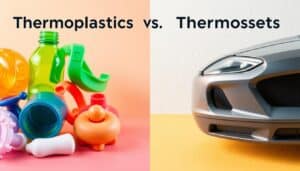
- थर्मोप्लास्टिक्स बनाम थर्मोसेट्स की तुलना: characteristics, common applications, advantages and disadvantages, and a comparison of their properties.
- विधि: वैक्यूम रेजिन इन्फ्यूजन तकनीक: vacuum resin infusion over carbon or kevlar layers for high-performance thin-wall parts: basic and advanced steps and an industrial.
- Hydroforming: Metal Shaping Technology Explained: benefits, process overview, and types such as tube hydroforming and deep draw.
- औद्योगिक इंटरनेट ऑफ थिंग्स (IIoT): core components, differences from IoT, architecture and communication, benefits, security challenges and integration.
- पंप-स्टोरेज हाइड्रोइलेक्ट्रिसिटी: गुरुत्वाकर्षण ऊर्जा भंडारण की इंजीनियरिंग और भविष्य: history from the 1890s to the renewable pivot, the physics of gravitational energy storage, and global distribution.
- सौर पैनलों की उम्र बढ़ने के कारक: प्रमुख प्रभाव: climate, coastal conditions and temperature impacts, including the temperature coefficient.
- तंत्रिका अभियांत्रिकी: मस्तिष्क और बाह्य जगत के बीच सेतु: neural coding, synaptic plasticity and brain-computer interfaces that link the brain to external devices.
Prototype and simulate
Test a concept cheaply before you commit hardware. Browser tools cover circuits, microcontrollers, 3D modeling and radio range, and a digital twin or a hardware-in-the-loop setup extends the test to the whole system.
- EasyEDA इलेक्ट्रॉनिक सर्किट डिज़ाइनर: design electronic circuits and PCBs in the browser.
- फाल्स्टैड इलेक्ट्रॉनिक सर्किट सिम्युलेटर: simulate analog and digital circuits interactively.
- Wokwi Arduino और ESP32 सिम्युलेटर: simulate Arduino and ESP32 projects online.
- ऑनलाइन ओपनएससीएडी प्लेग्राउंड: model 3D parts from code in the browser.
- JSCAD फ्री प्रोग्रामेटिक ऑनलाइन 3D मॉडलर: model 3D parts programmatically online.
- 3डी फाइल व्यूअर और कनवर्टर: view and convert 3D files.
- मेश्टास्टिक रेंज सिम्युलेटर (साइट प्लानर): plan the radio range of Meshtastic nodes.
- डिजिटल ट्विन: अनुसंधान एवं विकास एवं नवाचार के लिए सुझाव, उपकरण और विधि: benefits for design, cost reduction and process optimization, and implementation challenges.
- डिजिटल ट्विन: a virtual model of a physical product or process, fed with real data.
- Hardware-in-the-Loop Simulation: test control software against simulated hardware in real time.
- मोंटे कार्लो सिमुलेशन: estimate outcomes by random sampling under uncertainty.
- सीएडी सॉफ्टवेयर डायरेक्टरी: directory of CAD software for technical drawings and product geometry, filterable by pricing model.
Use AI in engineering
AI can draft, summarize, write code and suggest options, and it makes mistakes with numbers, units and references. Treat its output as a draft that you verify. These guides give ready prompts by discipline, and the tools pages list hubs for models and prompts.
- The 10+ Most Important AI Terms: artificial intelligence, machine learning, deep learning, large language models, generative AI, responsible AI and NLP.
- मैकेनिकल इंजीनियरिंग के लिए 25+ सर्वश्रेष्ठ एआई प्रॉम्प्ट: conceptual design, material and component selection, DFM and DFA, simulation, CAD and GD&T, safety.
- विद्युत इंजीनियरिंग के लिए 25+ सर्वश्रेष्ठ एआई प्रॉम्प्ट: power systems and grid management, machines and drives, control systems, safety, maintenance and documentation.
- विनिर्माण इंजीनियरों और प्रबंधकों के लिए 25+ सर्वश्रेष्ठ AI प्रॉम्प्ट: production planning, process optimization, maintenance, cost, reporting and supply chain.
- लीन 6 सिग्मा के लिए 25+ एआई प्रॉम्प्ट: process analysis, statistical data analysis, cost reduction, reporting, predictive analytics and improvement.
- The Hugging Face AI Hub & Resources: models, datasets and demos for machine learning.
- ऑनलाइन एआई टूल्स की प्रतिकृति बनाएं: run open-source AI models online.
- प्रॉम्प्टहीरो एआई द्वारा निःशुल्क प्रॉम्प्ट का संग्रह: a collection of free AI prompts.
- पिनोकियो लोकल एआई को एक क्लिक में इंस्टॉल करें: install and run local AI apps in one click.
- एआई कोड जनरेटर: generate code from a text description.
- AI articles: more guides on artificial intelligence.
Search patents and research
Patents and papers show what is possible and what is already taken. Search both before you commit to a technology. Read the abstract and the claims first, then the description.
- नवीनतम पेटेंट की निःशुल्क खोज: free search tool for the latest patents in English from the European Patent Office, updated in real time, filterable by topic, country.
- नवीनतम वैज्ञानिक प्रकाशनों की निःशुल्क खोज: free search tool for the latest articles of leading peer-reviewed journals, updated in real time, with filters by topic, journal.
- गूगल पेटेंट खोज: search patents from many offices with Google.
- यूरोपीय पेटेंट कार्यालय (ईपीओ) एस्पैसनेट पेटेंट खोज: search worldwide patents at the European Patent Office.
- यूएसपीटीओ पूर्ण पाठ पेटेंट खोज: search US patents in full text.
- FreePatentsOnline खोज: search patents and applications for free.
- पेटेंट को सर्वोत्तम तरीके से कैसे पढ़ा जाए, इस पर बुनियादी जानकारी (पेटेंट वकील न होने वालों के लिए): the 15 most important points to analyze, starting with the claims, specification, dates, legal status and assignee.
- मुफ़्त पेटेंट खोज के लिए 20 बेहतरीन ट्रिक्स + बोनस: 20 tricks to search patents for free, plus 5 bonus tricks for finding patents.
- सभी पेटेंट स्थितियाँ: PCT बनाम लंबित पेटेंट बनाम प्रकाशित पेटेंट बनाम स्वीकृत पेटेंट: PCT application, pending, published and granted patents, their timeline and what each means for design freedom.
- अन्वेषणात्मक अनुसंधान: investigate a problem that is not yet clearly defined.
Technology scouting rules that hold in practice
- Define the need before you scan the technology. A radar without a question is noise.
- Check the readiness level, not only the performance figures. A lab record is not a product. See Technological Readiness Levels.
- Look for a second source. A technology with a single supplier is a risk.
- Read patents for what is claimed and what is free to use. Start with how to read a patent.
- Prototype the riskiest part first, on cheap hardware.
- Use simulation to narrow the options, then confirm by test.
- Treat AI output as a draft. Verify numbers, units and sources.
- Follow the supply chain, regulation and standards of a technology as closely as its physics.
- Plan for obsolescence. Components and software have life cycles that are shorter than your product.
- Keep a short list of five to ten technologies to follow, and review it every quarter.
Find experts, suppliers and universities
आपूर्तिकर्ता और सलाहकार
- Electronics and PCB design: schematic capture, layout and hardware architecture.
- Embedded systems and firmware: low-level programming for hardware control.
- Sensors and transducers: MEMS, pressure, optical and environmental sensors.
- RF and wireless modules: Bluetooth, LoRa, Wi-Fi and cellular modules.
- Power supplies and converters: AC/DC, DC/DC and battery management systems.
- Optoelectronics and displays: LEDs, LCDs, OLEDs and laser diodes.
- Semiconductors and ICs: processors, memory and specialized chips.
- Simulation and analysis: FEA, CFD and thermal simulation.
- The full suppliers directory: search by map, keyword and category.
विश्वविद्यालय, अनुसंधान और नौकरियां
- Universities active in AI and machine learning
- Universities active in electrical and electronics
- Universities active in materials
- Universities active in physics
- नवीनतम वैज्ञानिक प्रकाशनों की निःशुल्क खोज: free search tool for the latest articles of leading peer-reviewed journals, updated in real time, with filters by topic, journal.
- Engineering jobs worldwide: engineering vacancies in product design, innovation and manufacturing.
संपादक की शीर्ष पसंद
Pages selected by the editor for this topic.





Enabling technology questions, answered
What is an enabling technology?
An enabling technology is a base capability that makes new products, processes or industries possible, such as semiconductors, batteries, sensors, wireless networks or artificial intelligence. End users rarely buy it on its own. See Market Pull and Technology Push for how technologies meet needs.
How do I judge whether a technology is ready for a product?
Use Technology Readiness Levels. Below TRL 6, expect more research and prototype work, and many programs require at least TRL 6 before they commit to product development. See Technological Readiness Levels.
How do I stay current without reading everything?
Follow a short list of topics. Each radar page lists the latest patents and journal publications on one technology, with a short summary of each entry. Start from the radar above, then read in full only the few items that matter to your product.
How do I read a patent?
Start with the abstract and the claims, because the claims define what is protected. Then read the drawings and the description to understand the embodiment. See 101 on How to Best Read a Patent.
What is a digital twin?
A digital twin is a virtual model of a physical product or process that is kept in step with data from the real one, so that you can simulate, monitor and predict its behavior. See Digital Twin: Tips, Tools and How-to.
Which AI tools can I use for engineering work?
Large language models help with drafting, code, summaries and brainstorming, and specialized tools help with images, simulation and search. Verify every number, unit and citation. See The 10+ Most Important AI Terms और मैकेनिकल इंजीनियरिंग के लिए 25+ सर्वश्रेष्ठ एआई प्रॉम्प्ट.
What is the difference between thermoplastics and thermosets?
Thermoplastics soften when heated and can be reshaped, so they can be molded again and recycled more easily. Thermosets cure into a cross-linked network and keep their shape under heat, but cannot be remelted. See थर्मोप्लास्टिक्स बनाम थर्मोसेट्स की तुलना.
Where can I find free tools to prototype electronics?
Browser tools such as EasyEDA, और Falstad circuit simulator और यह Wokwi Arduino and ESP32 simulator let you design and test circuits without installing software.
संबंधित विषय
Enabling technologies connect with production methods, innovation frameworks, environmental design and the partners who build them.