Product Design, Manufacturing & Innovation Resources

व्यवहार्यता अध्ययन

व्यवहार्यता अध्ययन

व्यवहार्यता अध्ययन

उद्देश्य:

किसी प्रस्तावित परियोजना या प्रणाली की व्यवहार्यता का निर्धारण करना।

इसका उपयोग कैसे किया जाता है:

फायदे

नुकसान

श्रेणियाँ:

इसके लिए सबसे अच्छा:

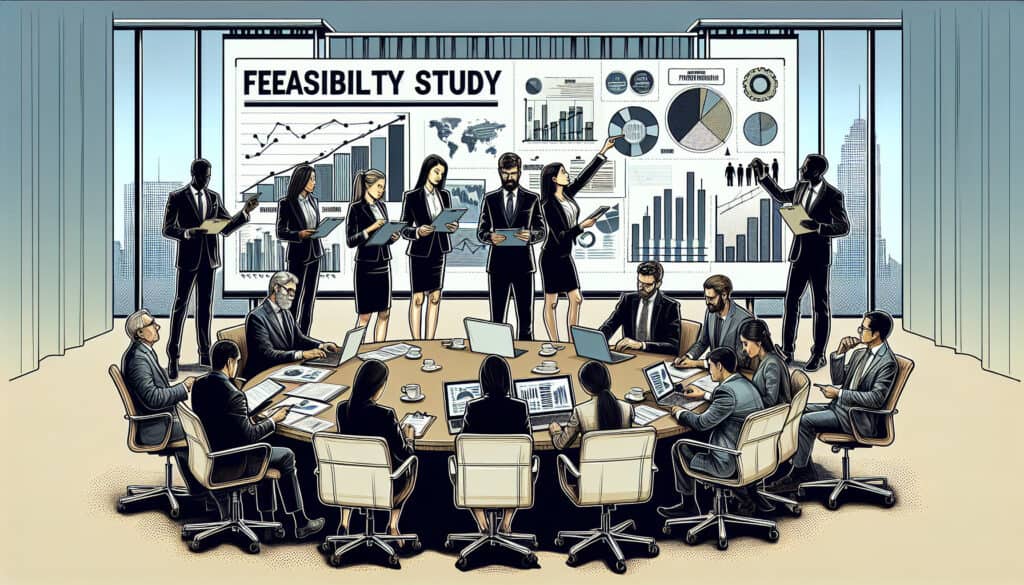
Feasibility studies play a significant role in various industries, including technology, healthcare, construction, and manufacturing, serving as an assessment tool primarily during the early phases of project development. They are particularly relevant for evaluating innovative product concepts where understanding market demand, regulatory requirements, potential technical challenges, and cost implications is crucial. Participants typically include project managers, engineers, financial analysts, and marketing experts, all collaborating to assess aspects such as infrastructure needs and timeline considerations. Legal feasibility can be particularly intricate in sectors involving stringent regulations, like pharmaceuticals or aerospace, where compliance with safety standards is assessed rigorously. Studies may also address operational factors, determining if existing resources, workforce capabilities, and supply chain logistics can support the proposed initiative. Additionally, when performed in the pre-development phase, feasibility studies can serve as a foundation for securing financing from investors or stakeholders, aligning their expectations with grounded analyses. They reduce wasted expenditures on initiatives that lack a viable framework for success and clarify potential return on investment by quantifying the forecasted economic benefits against associated risks. Such studies enable organizations to establish a more informed approach to project planning, hence facilitating smoother transitions into subsequent design and execution stages.

इस पद्धति के प्रमुख चरण

  1. परियोजना के दायरे और उद्देश्यों को परिभाषित करें।
  2. मांग का आकलन करने के लिए बाजार विश्लेषण करें।
  3. तकनीकी आवश्यकताओं और क्षमताओं का मूल्यांकन करें।
  4. लागत अनुमान और राजस्व क्षमता सहित आर्थिक कारकों का विश्लेषण करें।
  5. कानूनी और विनियामक पहलुओं का आकलन करें।
  6. संसाधनों की उपलब्धता और प्रक्रियाओं सहित परिचालन व्यवहार्यता की समीक्षा करें।
  7. परियोजना से जुड़े संभावित जोखिमों और चुनौतियों की पहचान करें।
  8. वैकल्पिक समाधान या दृष्टिकोण निर्धारित करें।
  9. विकल्पों और उनके निहितार्थों की तुलना करने के लिए एक व्यवहार्यता मैट्रिक्स तैयार करें।

प्रो टिप्स

  • एक का संचालन करें स्वोट उत्पाद के विचार से संबंधित विशिष्ट शक्तियों, कमजोरियों, अवसरों और खतरों की पहचान करने के लिए विश्लेषण करना, जिससे इसकी संभावित बाजार स्थिति का व्यापक दृष्टिकोण प्राप्त हो सके।
  • व्यवहार्यता अध्ययन प्रक्रिया के शुरुआती चरण में ही हितधारकों की प्रतिक्रिया को शामिल करें ताकि व्यावहारिक चिंताओं और छिपी हुई आवश्यकताओं का पता लगाया जा सके जो प्रारंभिक मूल्यांकन में स्पष्ट नहीं हो सकती हैं।
  • पूर्ण पैमाने पर विकास से पहले उत्पाद की कार्यक्षमता और उपयोगकर्ता अनुभव के बारे में धारणाओं को सत्यापित करने के लिए प्रोटोटाइपिंग दृष्टिकोण का उपयोग करें, यह सुनिश्चित करते हुए कि तकनीकी और परिचालन व्यवहार्यता बाजार की अपेक्षाओं के अनुरूप हो।

विभिन्न पद्धतियों को पढ़ने और उनकी तुलना करने के लिए, हम अनुशंसा करते हैं

> व्यापक कार्यप्रणाली भंडार  <
अन्य 400 से अधिक पद्धतियों के साथ।

इस कार्यप्रणाली पर आपकी टिप्पणियाँ या अतिरिक्त जानकारी का स्वागत है। नीचे टिप्पणी अनुभाग देखें ↓ , साथ ही इंजीनियरिंग से संबंधित कोई भी विचार या लिंक।

ऐतिहासिक संदर्भ

1990
1990
1990
1990
1990
1992
1992
1990
1990
1990
1990
1990
1991
1992
1993

(यदि तिथि अज्ञात है या प्रासंगिक नहीं है, उदाहरण के लिए "द्रव यांत्रिकी", तो इसके उल्लेखनीय उद्भव का एक अनुमानित आंकड़ा प्रदान किया गया है)

नवीनतम परिवर्धन

शीर्ष पोस्ट और लेख

शीर्ष मूल उपकरण

10वां वर्ष सालगिरह

पंजीकृत सदस्यों के लिए पूर्ण आकार की छवियाँ और डाउनलोड 100% निःशुल्क उपलब्ध हैं।