Product Design, Manufacturing & Innovation Resources

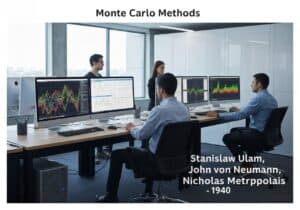
मोंटे कार्लो सिमुलेशन

मोंटे कार्लो सिमुलेशन

मोंटे कार्लो सिमुलेशन

उद्देश्य:

एक प्रक्रिया में विभिन्न परिणामों की संभावना को मॉडल करना जिसे यादृच्छिक चर के हस्तक्षेप के कारण आसानी से भविष्यवाणी नहीं की जा सकती है।
इसका उपयोग कैसे किया जाता है:

फायदे

नुकसान

श्रेणियाँ:

इसके लिए सबसे अच्छा:

मोंटे कार्लो Simulation finds extensive application in various industries such as finance, engineering, project management, and healthcare, often during the planning and design phases of projects where uncertainty is prevalent. For instance, in finance, it can be employed to assess the risk associated with investment portfolios, allowing analysts to simulate thousands of possible market scenarios to understand potential returns and risks. In engineering, this method may be utilized to predict the performance and reliability of safety systems in aerospace or automotive industries, where many variables can affect outcomes such as material properties and loading conditions. Within project management contexts, Monte Carlo Simulation serves as an effective tool for evaluating project timelines, costs, and resource allocation, helping teams identify the probabilistic impacts of potential delays and cost overruns. Participants typically include project managers, risk analysts, and data scientists who input historical data and define the variables and probability distributions fundamental to the simulation. One significant advantage lies in its ability to illustrate a wide spectrum of potential outcomes along with their probabilities, thereby enabling informed decision-making that incorporates risk management. Organizations looking to minimize uncertainties and enhance their predictive capabilities often initiate the use of this methodology, incorporating it as a standard practice in जोखिम आकलन frameworks. The बहुमुखी प्रतिभा मोंटे कार्लो सिमुलेशन की सुविधा इसे विभिन्न परिदृश्यों के अनुकूल बनाने की अनुमति देती है, जिससे यह उन स्थितियों में एक पसंदीदा विकल्प बन जाता है जहां जोखिम और अनिश्चितता का मात्रात्मक विश्लेषण सर्वोपरि होता है।

इस पद्धति के प्रमुख चरण

  1. समस्या को परिभाषित करें और वांछित परिणाम निर्धारित करें।
  2. प्रणाली या प्रक्रिया का प्रतिनिधित्व करने वाला एक गणितीय मॉडल विकसित करें।
  3. मॉडल में अनिश्चितता के स्रोतों की पहचान करें और उनका मात्रात्मक विश्लेषण करें।
  4. अनिश्चित चरों के लिए उपयुक्त प्रायिकता वितरणों का चयन करें।
  5. इनपुट मानों को यादृच्छिक रूप से उत्पन्न करते हुए मोंटे कार्लो सिमुलेशन को लागू करें।
  6. विभिन्न परिणामों को समझने के लिए बड़ी संख्या में सिमुलेशन पुनरावृति चलाएं।
  7. विभिन्न परिणामों की संभावना निर्धारित करने के लिए परिणामों का विश्लेषण करें।
  8. ज्ञात डेटा या बेंचमार्क के साथ तुलना करके मॉडल और परिणामों को सत्यापित करें।
  9. सत्यापन परिणामों और नई जानकारी के आधार पर आवश्यकतानुसार मॉडल को परिष्कृत करें।

प्रो टिप्स

  • सिमुलेशन के भीतर संवेदनशीलता विश्लेषण को शामिल करने पर विचार करें ताकि यह पता लगाया जा सके कि कौन से चर परिणामों को सबसे अधिक प्रभावित करते हैं और तदनुसार शमन रणनीतियों पर ध्यान केंद्रित किया जा सके।
  • अधिक विश्वसनीय पूर्वानुमानों के लिए परिणामों के संभाव्यता वितरणों के अभिसरण को सुनिश्चित करने के लिए पर्याप्त संख्या में सिमुलेशन का उपयोग करें, जो अक्सर हजारों या लाखों में होते हैं।
  • अपने इनपुट अनुमानों में बहुभिन्नरूपी वितरणों का उपयोग करें ताकि सहसंबंधित जोखिमों और परियोजना या डिजाइन पर उनके संयुक्त प्रभावों को सटीक रूप से दर्शाया जा सके।

विभिन्न पद्धतियों को पढ़ने और उनकी तुलना करने के लिए, हम अनुशंसा करते हैं

> व्यापक कार्यप्रणाली भंडार  <
अन्य 400 से अधिक पद्धतियों के साथ।

इस कार्यप्रणाली पर आपकी टिप्पणियाँ या अतिरिक्त जानकारी का स्वागत है। नीचे टिप्पणी अनुभाग देखें ↓ , साथ ही इंजीनियरिंग से संबंधित कोई भी विचार या लिंक।

ऐतिहासिक संदर्भ

1928
1930
1936
1940
1943
1950
1950
1925
1930
1931
1939
1940
1950
1950
1952

(यदि तिथि अज्ञात है या प्रासंगिक नहीं है, उदाहरण के लिए "द्रव यांत्रिकी", तो इसके उल्लेखनीय उद्भव का एक अनुमानित आंकड़ा प्रदान किया गया है)


नवीनतम परिवर्धन

शीर्ष पोस्ट और लेख

शीर्ष मूल उपकरण

10वां वर्ष सालगिरह

पंजीकृत सदस्यों के लिए पूर्ण आकार की छवियाँ और डाउनलोड 100% निःशुल्क उपलब्ध हैं।