Product Design, Manufacturing & Innovation Resources
بيت » معادلة صاروخ تسيولكوفسكي

معادلة صاروخ تسيولكوفسكي

1903-05-10
  • Konstantin Tsiolkovsky
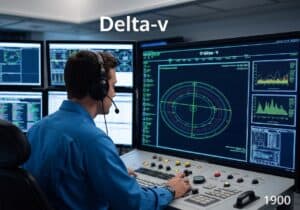
مهندسو الفضاء يناقشون معادلة تسيولكوفسكي للصواريخ في مكتب حديث.

(صورة توضيحية فقط)

تصف هذه المعادلة حركة المركبات التي تتبع المبدأ الأساسي للصاروخ: وهو جهاز يمكنه تطبيق تسارع على نفسه عن طريق إطلاق جزء من كتلته بسرعة عالية. وهي تربط بين دلتا-في يمكن للصاروخ أن يصل إلى سرعة العادم الفعالة والكتلة الأولية والنهائية، المعطاة بواسطة [latex]Delta v = v_e ln frac{m_0}{m_f}[/latex].

تُعد معادلة تسيولكوفسكي الصاروخية حجر الزاوية في علم الصواريخ، وهي مشتقة من مبدأ حفظ الزخم. In the formula, [latex]\Delta v[/latex] is the maximum change of velocity of the vehicle, [latex]m_0[/latex] is the initial total mass (including propellant), [latex]m_f[/latex] is the final total mass (without propellant), and [latex]v_e[/latex] is the effective exhaust velocity of the propellant. The term [latex]\ln(m_0/m_f)[/latex] represents the natural logarithm of the mass ratio.

The equation reveals several critical insights into rocketry. Firstly, the delta-v is directly proportional to the exhaust velocity; higher exhaust velocity engines (like ion thrusters) can achieve the same delta-v with less propellant. Secondly, the relationship with the mass ratio is logarithmic. This means that to achieve a linear increase in delta-v, an exponential increase in the mass ratio is required. This ‘tyranny of the rocket equation’ illustrates why achieving high delta-v is so difficult: each additional unit of propellant not only provides thrust but also adds to the initial mass that must be accelerated, leading to diminishing returns. This is the fundamental reason for using multi-stage rockets, which shed mass (empty stages) during flight to improve the mass ratio of the remaining stages.

UNESCO Nomenclature: 3301
هندسة الطيران والفضاء

يكتب

نظام مجرد

خلل

Revolutionary

الاستخدام

استخدام واسع النطاق

مقدمات

  • قانونا الحركة الثاني والثالث لإسحاق نيوتن
  • مبدأ حفظ الزخم
  • التطور الرياضي للوغاريتمات بقلم جون نابير

التطبيقات

  • تصميم الصواريخ متعددة المراحل
  • حساب نسبة كتلة الوقود للمركبات الفضائية
  • تحليل أداء أنظمة الدفع الكيميائية والكهربائية
  • دراسات جدوى لمفاهيم السفر بين النجوم

براءات الاختراع:

NA

أفكار ابتكارية محتملة

  • برنامج تحسين الحمولة في الوقت الفعلي استنادًا إلى معادلة الصاروخ للقاذفات القابلة لإعادة الاستخدام
  • advanced material science research focused on minimizing structural mass (m0 – mf)
  • تطوير أنظمة الدفع الكهربائي على مراحل للمسبارات الفضائية العميقة
  • modular spacecraft designs where ‘mass fraction’ can be adjusted by adding/removing propellant tanks
  • خوارزميات الذكاء الاصطناعي لتصميم محركات صاروخية جديدة تعمل على تعظيم سرعة العادم الفعالة
  • نماذج اقتصادية للخدمات اللوجستية الفضائية تعتمد على تحسين نسبة التكلفة لكل وحدة كتلة
  • حلقة مغلقة life support systems designed to minimize consumable mass loss (mf) on long-duration missions
  • in-situ resource utilization (isru) التقنيات to increase initial mass (m0) at destination
  • أنظمة الدفع الحراري النووي المصممة لكسر قيود سرعات العادم الكيميائي
  • educational simulators that allow users to design rockets by manipulating the equation’s variables
Related to: Tsiolkovsky rocket equation, rocket science, دلتا-في, specific impulse, mass ratio, propellant, exhaust velocity, spaceflight, astrodynamics, konstantin tsiolkovsky.

السياق التاريخي

معادلة صاروخ تسيولكوفسكي

1897
1900
1900
1903-05-10
1910
1910
1910
1890
1899-01-01
1900
1903
1906
1910
1910
1910

(إذا كان التاريخ غير معروف أو غير ذي صلة، على سبيل المثال "ميكانيكا الموائع"، يتم توفير تقدير تقريبي لظهوره الملحوظ)

أحدث الإضافات

أهم المنشورات والمقالات

أفضل الأدوات الأصلية

السنة العاشرة عيد

الصور والتنزيلات بالحجم الكامل متاحة فقط، ومجانية تمامًا، للأعضاء المسجلين.