Product Design, Manufacturing & Innovation Resources
بيت » صب مادة تي إن تي المنصهرة

صب مادة تي إن تي المنصهرة

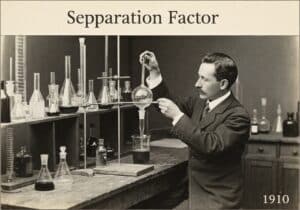
1910
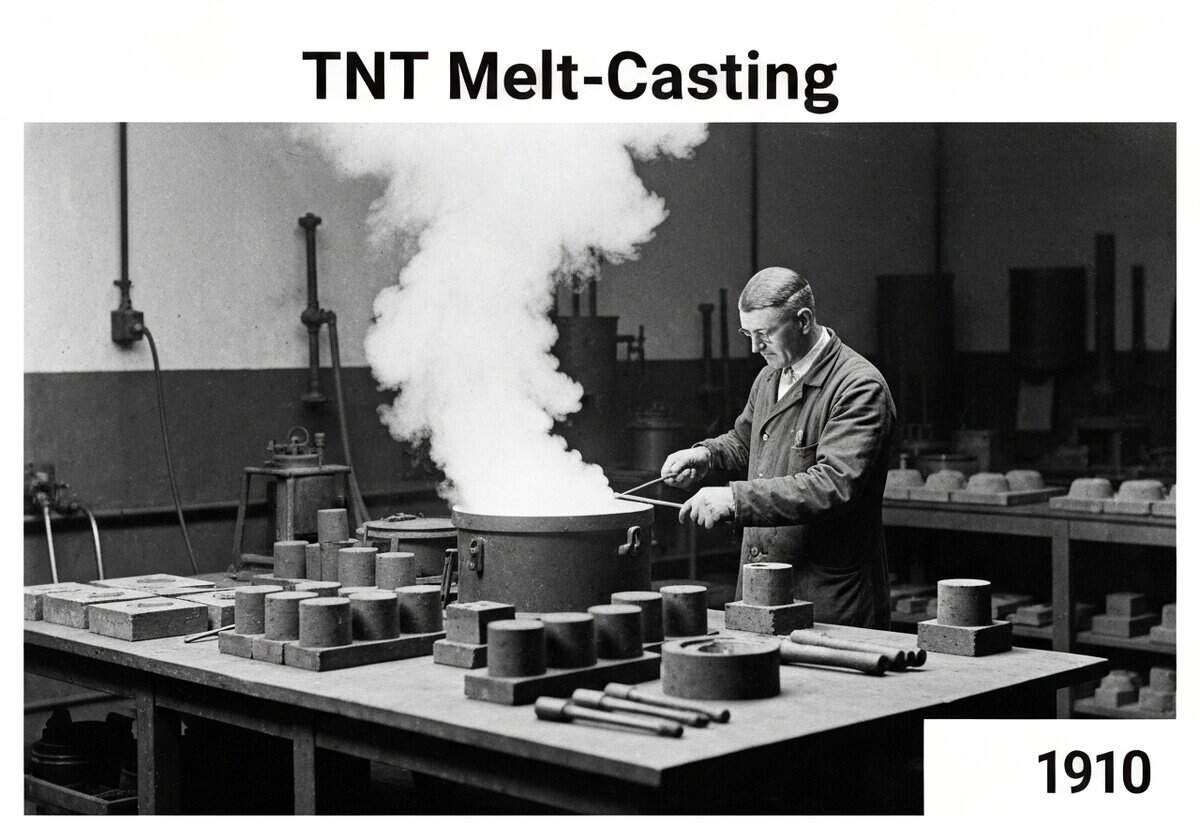
Chemical engineering workshop for TNT melt-casting in 1910.

(صورة توضيحية فقط)

من أهم خصائص مادة TNT انخفاض درجة انصهارها، حيث تبلغ 80.6 درجة مئوية (177.1 درجة فهرنهايت)، وهي أقل بكثير من درجة اشتعالها الذاتي البالغة 240 درجة مئوية. يسمح هذا الفارق الكبير في درجة الحرارة بصهر مادة TNT بأمان باستخدام البخار أو الماء الساخن، ثم سكبها في أغلفة الذخيرة، في عملية تُسمى الصب بالصهر. وهذا يُمكّن من إنتاج شحنات متفجرة كثيفة وموحدة وخالية من التشققات.

The ability to melt-cast TNT was a revolutionary development in munitions technology. Before TNT, explosives like picric acid were used, but they were corrosive to metal casings and more sensitive. TNT’s chemical inertness and thermal stability provided a significant advantage. The process involves heating solid TNT flakes in large, steam-jacketed kettles until it becomes a liquid with a اللزوجة similar to water. This liquid explosive can then be poured directly into shell casings, bombs, or molds of any shape.

As the liquid TNT cools and solidifies, it contracts slightly. This requires careful management of the cooling process to avoid the formation of voids or cracks, which can create dangerous “hot spots” that might lead to premature detonation upon impact. To achieve a dense, uniform charge, the molten TNT is often poured in stages, with subsequent pours filling the contraction voids of the previous layer. This technique ensures the final explosive charge is solid, stable, and has a predictable detonation performance. The melt-castability of TNT also facilitated the creation of composite explosives, such as Composition B, where molten TNT acts as a castable matrix for more powerful but non-meltable crystalline explosives like RDX, combining the safety of TNT with the power of RDX.

UNESCO Nomenclature: 3305
– Chemical engineering

يكتب

Chemical Process

خلل

Incremental

الاستخدام

استخدام واسع النطاق

مقدمات

  • اكتشاف المعادن المستخدمة في الصب مثل البرونز والحديد
  • تطوير تكنولوجيا التدفئة بالبخار
  • تركيب مادة تي إن تي بواسطة جوليوس ويلبراند
  • فهم التحولات الطورية (من الصلب إلى السائل) وانتقال الحرارة
  • اختراع قذائف المدفعية الحديثة التي تتطلب حشوًا مستقرًا

التطبيقات

  • تصنيع قذائف المدفعية ذات الحشوات المتفجرة الكثيفة والمستقرة
  • إنتاج كتل الهدم المصبوبة
  • إنشاء شحنات مشكلة لاختراق الدروع
  • ملء القنابل الجوية والألغام البحرية
  • إنتاج المتفجرات المركبة مثل التركيبة ب (تي إن تي ممزوجة مع آر دي إكس)

براءات الاختراع:

NA

أفكار ابتكارية محتملة

NA (the above information was provided as technical culture; but “innovations” in this field is out of the scope of this site)

Related to: melt-casting, TNT, explosives, munitions, artillery shell, melting point, composition b, shaped charge, demolition block, chemical engineering.

السياق التاريخي

صب مادة تي إن تي المنصهرة

1906
1910
1910
1910
1920
1920
1920
1903-05-10
1910
1910
1910
1910
1920
1920
1920

(إذا كان التاريخ غير معروف أو غير ذي صلة، على سبيل المثال "ميكانيكا الموائع"، يتم توفير تقدير تقريبي لظهوره الملحوظ)

أحدث الإضافات

أهم المنشورات والمقالات

أفضل الأدوات الأصلية

السنة العاشرة عيد

الصور والتنزيلات بالحجم الكامل متاحة فقط، ومجانية تمامًا، للأعضاء المسجلين.