"المستقبل ملك لأولئك الذين يستعدون له اليوم." - مالكوم إكس
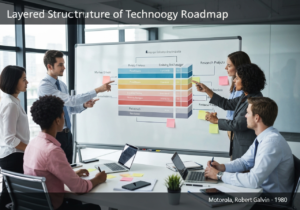
In our tech world, making a technology roadmap for تطوير المنتجات is key. It’s like a map that guides innovation and aligns projects with your goals. Through a technology roadmap, companies see the big picture, noting important goals and how to use resources.
وهذا يساعد في تحديد الأولويات واتخاذ خيارات ذكية. سننظر في أفضل الطرق لوضع خارطة الطريق هذه. ستساعدك على دمج التكنولوجيا بسلاسة في عملك لتحقيق نجاح أفضل.
النقاط الرئيسية
- تتضمن خرائط طريق التكنولوجيا أنواعاً مختلفة مثل خرائط طريق خطة المشروع، وخرائط طريق المنتج، وخرائط طريق المنصة.
- تتضمن خارطة الطريق التكنولوجية الجيدة أهدافًا ذكية وجداول زمنية محددة مخطط جانت، والمعالم الرئيسية، والتحقق من المخاطر.
- إن إنشاء واحدة تعني تحديد الأهداف الاستراتيجية، والتحقق من التكنولوجيا الحالية، وإشراك أصحاب المصلحة، واختيار ما يجب العمل عليه أولاً.
- يحتاج الحفاظ على فائدة خارطة الطريق إلى العمل الجماعي بين الأقسام والتحديثات المستمرة.
ما هي خارطة طريق التكنولوجيا في تطوير المنتجات؟
أ خارطة طريق التكنولوجيا يرشد الشركات في استخدام التكنولوجيا للوصول إلى أهدافها. فهو يساعدها على التركيز على المشاريع التقنية المهمة، وتجنب إهدار الموارد، واغتنام الفرص التقنية الجديدة.
التعريف والغرض
إنها خطة توضح كيف ستستخدم الشركة التكنولوجيا لتحقيق أهدافها. تجعل خارطة الطريق هذه التخطيط التكنولوجي أسهل. فهي تعمل على مواءمة المشاريع التقنية مع أهداف الشركة واستثماراتها. تعمل هذه الخطة الواضحة على تحسين مشاركة أصحاب المصلحة وتوجيه خيارات الاستثمار التقني الحكيمة.
أنواع خرائط طريق التكنولوجيا
هناك العديد من أنواع خرائط الطريق التكنولوجية، ولكل منها تركيز خاص:
- خرائط طريق المنتج: وهي قصيرة الأجل، وتتطلع إلى الأمام من 6 إلى 12 شهرًا. وهي تهدف إلى التكيف بسرعة مع تغيرات السوق والعملاء.
- خرائط الطريق التقنية: تغطي من سنة إلى 3 سنوات، وتوضح بالتفصيل خطوات الوصول إلى الأهداف التقنية للشركة. وهذا يضمن الاستخدام الجيد للموارد ومشاركة الرؤية التقنية.
- خرائط طريق المنصة: فهم يرسمون خريطة لتطوير ومزج المنصات التقنية الرئيسية في الإعداد التقني للشركة.
- خرائط طريق التطبيق: يقومون بتخطيط عمر وتحديثات برامج الأعمال الرئيسية.
- خرائط طريق أنظمة تكنولوجيا المعلومات: التركيز على تخطيط الأنظمة الكبيرة مثل إدارة علاقات العملاء وتخطيط موارد المؤسسات. فهي تتأكد من أنها تدعم الأنشطة التجارية المهمة.
تساعد خرائط الطريق المختلفة في إدارة الديون التقنية من خلال التخطيط للتحديثات والتحسينات. وهذا يحافظ على استقرار المكدس التقني وقابليته للنمو. كما أنها تربط فرق التكنولوجيا بأهداف الشركة، مما يساعد على اتخاذ خيارات تقنية وبنية ذكية.
تمكّن المواءمة الاستراتيجية التي توفرها خارطة الطريق التقنية المؤسسات من التكيف بكفاءة مع الاتجاهات التكنولوجية الجديدة ومتطلبات السوق.
| نوع خارطة الطريق | الإطار الزمني | ركز |
|---|---|---|
| خارطة طريق المنتج | 6-12 شهراً | احتياجات العملاء واتجاهات السوق |
| خارطة الطريق التقنية | 1-3 سنوات | الموارد والمهارات والتقنيات |
| خارطة طريق المنصة | عامل | تطوير المنصة الرئيسية والتكامل |
| خارطة طريق التطبيق | عامل | دورة حياة البرنامج وتحديثاته |
| خارطة طريق أنظمة تكنولوجيا المعلومات | عامل | الأنظمة الرئيسية ووظائفها |
إن وجود خارطة طريق تقنية متينة أمر بالغ الأهمية للتخطيط التقني الفعال. فهي تدعم نهجًا تدريجيًا للأهداف الرقمية، سواء للمشاريع قصيرة وطويلة الأجل. إنها أساس الهيكل التكنولوجي للشركة. فهي ترشدهم من خلال التقدم التكنولوجي والنمو الاستراتيجي.
تقييم قدرات مصنع التصنيع الحالية
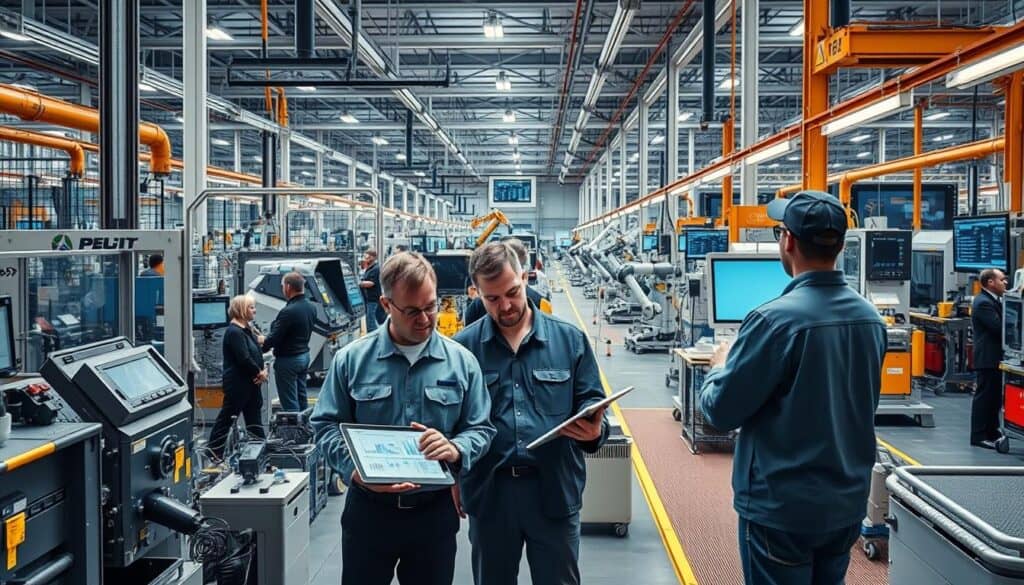
من الضروري تقييم إمكانيات مصنعك للاستعداد للتطورات التقنية المستقبلية. يتضمن ذلك فحص أنظمتك ومعداتك الحالية. فهو يساعد على تحديد نقاط القوة ومجالات التحسين.
إجراء تدقيق تقني
التدقيق التكنولوجي أمر بالغ الأهمية لفهم الوضع الحالي للتكنولوجيا. فهو يتطلب إدراج أنظمتك والتحقق من وظائفها واكتشاف نقاط الضعف. يشير تقرير ديلويت لعام 2023 إلى أن 86% من قادة التصنيع يعتقدون أن تكنولوجيا المصانع الذكية ستعزز القدرة التنافسية في السنوات القادمة. وهذا يدل على أهمية إجراء تقييم تقني شامل، والتأكد من أن مصنعك جاهز للتحول الرقمي.
يحتاج الانتقال من مرحلة العمل اليدوي التقليدي إلى مرحلة العمل الرقمي أولاً إلى تخطيط استراتيجي. وهو يستدعي الاستثمار في التكنولوجيا الجديدة وفي كثير من الأحيان، تغيير ثقافة الشركة. تعتمد هذه المراحل على الابتكار المستمر والتكنولوجيا المتقدمة مثل التحليلات والذكاء الاصطناعي والتعلم الآلي.
| منصة | صفات | أمثلة |
|---|---|---|
| المرحلة التقليدية | العمليات اليدوية والطرق التقليدية | إعدادات التصنيع الأساسية |
| المرحلة الناشئة | البدء في استخدام التكنولوجيا الرقمية | إدارة المخزون الرقمي، الأتمتة الأساسية |
| المرحلة الأولى الرقمية | الابتكار المستمر واستخدام التكنولوجيا المتقدمة | الذكاء الاصطناعي والتعلم الآلي في العمليات |
مقابلات واستطلاعات رأي المستخدمين
يعتمد التبديل بين مراحل النضج الرقمي أيضًا على التعلم من ملاحظات المستخدمين. فهو يعطي رؤى في الوقت الفعلي حول تأثير التكنولوجيا ويشير إلى ما يجب تحسينه. يقول خبراء الصناعة إن التغيير الرقمي لا يتعلق فقط بالتكنولوجيا الجديدة. إنه يتعلق بخطة مفصلة تلبي الاحتياجات التشغيلية واحتياجات المستخدم.
تحديد أهداف المشروع وأهداف مصنع التصنيع المستقبلية
من المهم في عالم اليوم تحديد أهداف مشروعك وأهداف مصنعك المستقبلي بوضوح. من خلال تحديد أهداف SMART، تصبح مشاريعك محددة وقابلة للقياس وقابلة للتحقيق وذات صلة ومحددة زمنيًا. يجب أن تتماشى هذه الأهداف مع الاستراتيجية العامة لمؤسستك.
تحديد الأهداف الذكية والقابلة للقياس والتحديد
إن وضع أهداف SMART يعني النظر بعناية في ما يمكن أن يفعله التصنيع الخاص بك الآن وما سيحتاج إلى القيام به. يجب أن تكون الأهداف واضحة لتوفير خارطة طريق. يجب أن تتضمن طرقًا لقياس النجاح، وأن تكون قابلة للتحقيق، وأن تتناسب مع أهداف العمل الأوسع نطاقًا، وأن تكون لها مواعيد نهائية. تضمن هذه الطريقة أن تساعد الأهداف استراتيجيتك وأن تكون عملية.
المواءمة مع الأهداف الاستراتيجية
المواءمة مع الأهداف الاستراتيجية أمر بالغ الأهمية لتحويل الخطط إلى نتائج حقيقية. من خلال مطابقة أهدافك مع الأهداف الرئيسية للأعمال، تتوحد جهودك بشكل أكبر. هذا يجعل الأقسام تعمل معًا بشكل أفضل، ويساعد على استخدام الموارد بشكل جيد، ويعالج مجالات رئيسية مثل الحفاظ على سير العمل، وجعل العمليات تلقائية، وتحديث الأنظمة.
يساعد تحديد أهداف المشروع بما يتماشى مع الاستراتيجية على إدارة التغييرات والمفاجآت. ويجعل مؤسستك أكثر مرونة وقوة.
| المجالات الرئيسية | الأهداف |
|---|---|
| تقييم الاستراتيجية والنظم | Align business and system goals, support growth or خفض التكاليف |
| الأمن السيبراني | ضمان حماية البيانات واستمرارية الأعمال |
| استمرارية الأعمال | الحفاظ على العمليات أثناء الاضطرابات، ومحاور السوق |
| أتمتة العمليات وتحسينها | Increase الكفاءة, reduce operational costs |
استثمار الموارد في البحث بدلاً من استثمارها في التطوير الحالي
إن استثمار الأموال في البحث والتطوير الحالي يبقي الشركات في المقدمة. يجب عليهم إدارة الموارد بشكل جيد. وهذا يعني الموازنة بين الأفكار الجديدة وتحسين ما لديهم بالفعل. وجزء مهم من هذا هو الاستثمار بذكاء في التكنولوجيا. يجب أن تذهب الأموال إلى المشاريع الواعدة.

تحقيق التوازن بين الابتكار والتحسين
Managing resources well means finding a middle ground. It’s about funding tech that’s cutting-edge and improves existing processes. Take the infrastructure bill as an example. It put $9.5 billion into clean الهيدروجين and $10 billion into احتجاز الكربون. تمزج هذه المشاريع بين التكنولوجيا الجديدة والتحديثات، مما يدل على نهج استراتيجي للابتكار.
تخصيص الموارد
Deciding which projects get money is key in planning tech investments. It’s about judging their potential payoff and how important they are. For instance, $12 billion is going towards advanced nuclear reactors. Also, the National Science Foundation will get $3.5 billion for research and upgrades. Allocating resources this way helps companies grow sustainably.
Dealing with challenges like shifting goals and focusing too much on resources can be improved. It requires an integrated tech roadmap. This starts with setup and is followed by refinement. Here, managers choose priorities that fit the company’s strategy. They also check if they have everything needed to succeed. This organized strategy in managing resources can spark efficient, impactful innovations.
Creating a Technology Planning Framework
Building a strong technology planning framework is key for success. It helps align tech efforts with the goals of the organization. At the same time, it ensures resources are used well and stakeholders stay involved.
المكونات الرئيسية
A good planning framework has clear goals, and identifies needs for resources and training. Goals must be SMART: specific, measurable, achievable, relevant, and time-bound. This makes sure everyone knows the purpose behind tech projects.
Identifying new system capabilities and noting potential risks are critical steps. This complete view helps predict challenges and improve efficiency. It aids in boosting productivity across various departments.
أفضل الممارسات
Following best practices for roadmap creation is vital for a strong technology framework. It’s important to include different teams in making the roadmap. Such collaboration sparks innovation and links tech strategies to business goals.
 It keeps communication clear and ensures everyone is on the same page. Laying out a release schedule, prioritizing tasks, and setting a timeline are key for success.
| فوائد | وصف |
|---|---|
| Clear Direction | Provides a strategic framework for guiding technology initiatives, enhancing business processes. |
| تخصيص الموارد | Enables effective allocation of resources by prioritizing projects based on impact and feasibility. |
| Risk Mitigation | Outlines potential risks and dependencies, facilitating proactive management and risk mitigation. |
| Stakeholder Engagement | Encourages input and buy-in from cross-functional teams, fostering collaboration and alignment. |
| Evaluation and Adaptation | Utilizes performance metrics for continuous evaluation and adaptation of the roadmap. |
Stakeholder Engagement and Collaboration
Effective إشراك أصحاب المصلحة is key for tech roadmap development. It involves different groups like top bosses, IT experts, and users. This means everyone understands the plans and feels they have a part in them.
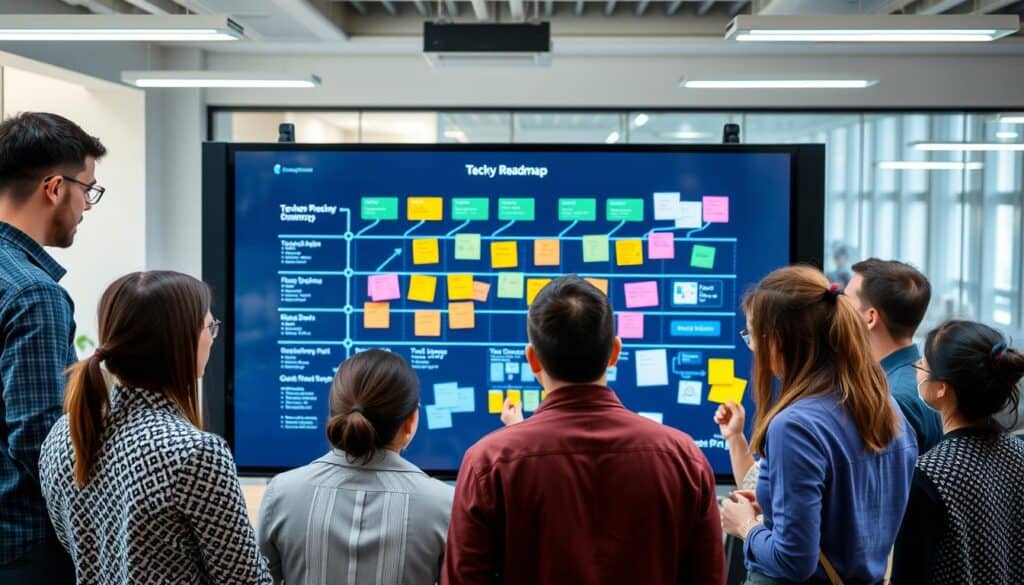
A good technology roadmap is like a guide. It shows what needs to be done and why, in line with the company’s goals. It talks about the tech we have, our aims, plans, progress, resources, challenges, and timelines. This way, everyone involved knows what’s expected and works together well.
Asking for ideas from the team helps make the roadmap suit their needs. This makes the plan better and more likely to succeed in bringing change.
| Benefits of stakeholder engagement | تفاصيل |
|---|---|
| Alignment with Business Objectives | Ensures technology initiatives are in line with strategic goals. |
| Enhanced Collaboration | Facilitates input from diverse teams for a more comprehensive roadmap. |
| Resource Efficiency | Promotes optimal allocation of resources and minimizes duplicate efforts. |
| Improved Communication | Ensures all stakeholders are aware of their roles and the roadmap’s direction. |
It’s vital to share the tech roadmap with everyone involved. Break down the goals so they’re clear and measurable. Use KPIs to see how things are going. Tech roadmaps are crucial for meeting the company’s big picture goals, making sure tech investments help us reach our vision.
Developing a Timeline for Implementation
Creating a realistic timeline is key to a successful technology plan. It’s important to look at several factors to make a good timeline. This includes checking resource availability, market trends, and what the organization needs.
عوامل يجب مراعاتها
When making a timeline, you need to think about:
- Resource Availability: It’s critical to know what human, financial, and tech resources are available to meet deadlines.
- Market Conditions: Understanding current and upcoming market trends can help adjust the timeline to grab opportunities and avoid risks.
- Organizational Priorities: The timeline should match the organization’s goals to ensure the tech plan helps the business.
Using Gantt Charts
جانت charts are great for showing the project schedule. They make it easy to see project steps and how they depend on each other. Here’s why Gantt charts are helpful:
| فوائد | تفاصيل |
|---|---|
| Clear Visualization | Gantt charts show the project timeline clearly, helping everyone understand key moments and how tasks are linked. |
| Enhanced Communication | With Gantt charts, teams can share the project schedule clearly, making sure all understand the plan. |
| Realistic Scheduling | Gantt charts allow for making schedules that really fit with available resources and timelines, avoiding impossible deadlines. |
Using Gantt charts helps in planning and managing tech projects better. They support a more organized and clear way of working. This approach minimizes problems and supports steady progress and growth.
Prioritizing Technology Initiatives
It’s key to get technology initiatives in order for a great tech roadmap. We’ll look at how to weigh both the impact and the effort needed. We’ll also consider the risks. Picking the right projects to start with helps make sure we’re going for the ones that help most.
Impact vs. Effort
It’s crucial to match each initiative’s impact with the effort it requires. We need to see how these efforts help achieve business goals and better the tech setup.
- High Impact, Low Effort: these projects are top priority. They offer big benefits for little input.
- High Impact, High Effort: these need more resources but are worth it for their alignment with company goals.
- Low Impact, Low Effort: these can wait or be scheduled for later.
- Low Impact, High Effort: requires lots of work for minimal returns. Think carefully before committing resources here.
تقييم المخاطر
Assessing risks along with impact and effort is key. Understanding potential hurdles lets us plan how to overcome them. This way, we can keep projects on track and aim for success.
| Risk Factor | وصف | Mitigation Strategy |
|---|---|---|
| Technical Challenges | Potential technical hurdles that could delay implementation. | Thorough testing and flexible project plans. |
| Resource Constraints | Limited human or financial resources to execute the project. | Effective resource allocation and continuous monitoring. |
| Market Changes | Shifts in market conditions that affect project relevance. | Dynamic and responsive roadmap adjustments. |
Using these methods for picking initiatives and managing risks helps shape doable tech roadmaps. It tackles IT problems while improving the tech setup for success in both strategy and operation.
Monitoring and Adapting the Technology Roadmap
Keeping a technology roadmap up to date is crucial for success. Using project tracking tools is key. These tools give teams immediate updates. This lets them change the roadmap quickly as needed.
Project Tracking Tools
Tools like Jira, Asana, or Trello are great for watching technology projects closely. They make it easy to update everyone on progress. And they help make sure tasks are clearly assigned.
They come with Gantt charts and can track milestones. This keeps teams focused on near and far-off goals.
| الإطار الزمني | وصف |
|---|---|
| Short-term | Projects planned for the next few months to a year. |
| Medium-term | Initiatives scheduled for one to three years. |
| Long-term | Tech initiatives spanning beyond three years. |
Adjusting for Changes
Being able to adapt is key in adaptive planning. Technology and business change fast. So, technology roadmaps need regular updates. Using project tracking tools helps teams shift things like resources and goals with ease.
Teams should check on milestones and possible risks often. It’s also smart to keep talking to stakeholders. This way, the roadmap stays relevant and useful.
Summary of Technology Roadmap Best Practices
To create a successful technology roadmap, focusing on technology planning excellence is key. Organizations should follow key best practices to build an effective roadmap strategy.
Setting clear goals is crucial. It’s important to outline goals, timelines, key milestones, and performance metrics. By matching these goals with business objectives, firms can link their vision to practical plans in the roadmap.
Starting with a detailed current state assessment helps identify tech needs. This includes looking at current systems, processes, and tech setups. Engaging stakeholders through interviews and surveys adds valuable insights.
Being flexible in planning is vital. Roadmaps should list projects by importance, urgency, and doability. It’s essential to think about using money, people, and tech wisely. Including strategies for handling risks, like laying out plans for problems and monitoring, is also key.
Employing strong tools like Jira makes managing the roadmap easier. These tools help by providing visual guides, focusing on objectives, and allowing for quick changes. Also, updating the roadmap regularly keeps it current with new trends or needs.
| العنصر | وصف |
|---|---|
| Goal Setting | Defines clear objectives, timelines, milestones, and performance metrics aligned with strategic business goals. |
| Current State Assessment | Evaluates existing systems, processes, and technology stack for comprehensive understanding. |
| Stakeholder Engagement | Gathers input through interviews, workshops, surveys, and questionnaires for a well-rounded perspective. |
| تخصيص الموارد | Consideration of financial, human, and technological resources for project implementation. |
| إدارة المخاطر | Includes risk identification, mitigation strategies, contingency planning, and performance monitoring. |
| Project Tracking Tools | Utilizes tools like Jira for visual roadmaps, real-time visibility, and agile planning. |
| Regular Reviews and Updates | Ensures the roadmap remains dynamic and responsive to changing business needs. |
Following these best practices helps companies build a strong technology planning excellence. This leads to smarter tech investments and uses.
خاتمة
In our fast-paced tech world, having a good technology roadmap is key. It helps plan out our tech needs in line with the best standards. This plan makes sure we use our resources well, boosting our work and new ideas.
Creating this roadmap starts with a detailed tech check and setting clear, smart goals. Each step is vital for bringing in new tech smoothly. It helps everyone understand why we’re spending on new tech. This unity is key for getting the support needed to meet our goals.
With set timelines and costs, companies can plan better. This makes sure everyone moves together in a well-thought-out way towards tech changes.
Tech roadmaps look at the big and small picture, making them useful on many levels. Keeping them up-to-date lets companies stay on track with their tech and business plans. It leads to smarter choices and lets everyone do their best, pushing growth and new ideas.
قراءات وأساليب تكميلية
- التخطيط الاستراتيجي: كدح التحليل (نقاط القوة، نقاط الضعف، الفرص، التهديدات)، تخطيط السيناريوهات
- Change management: Kotter’s 8-Step Process, ADKAR Model
- تحليل السوق: تحليل بيستل، قوى بورتر الخمس
- Product Lifecycle Management (PLM): عملية البوابات المرحلية، تطوير المنتجات الرشيق
- ابتكار نموذج الأعمال: نموذج العمل التجاري، اقتراح القيمة تصميم
- التحول الرقمي: نموذج النضج الرقمي، تكامل الحوسبة السحابية
- تحليل الاتجاهات: تحليل بيست (السياسي، الاقتصادي، الاجتماعي، التكنولوجي)
التعليمات
ما هي خارطة الطريق التكنولوجية في تطوير المنتجات؟
خارطة طريق التكنولوجيا هي خطة استراتيجية تستخدم التكنولوجيا لتحقيق أهداف العمل. فهي تحدد الفرص التكنولوجية مع تجنب هدر الموارد، مما يحافظ على مرونة الشركات وتركيزها.
ما هي أنواع خرائط الطريق التكنولوجية الموجودة؟
تُستخدم أنواع عديدة من خرائط الطريق التقنية، مثل خرائط طريق المشاريع وخرائط طريق المنتجات. وتشمل أنواع أخرى خرائط طريق المنصات والخرائط التقنية وخرائط طريق التطبيقات. ولكل نوع منها تركيز خاص لمساعدة الصناعات والشركات على تحقيق النجاح.
كيف يمكن إجراء تدقيق تكنولوجي؟
لإجراء تدقيق تقني، ابدأ بقائمة أنظمتك التقنية. حدد نقاط قوتها ونقاط ضعفها. سيساعدك هذا على معرفة التقنيات المتوفرة لديك والتخطيط لتحسينها.
لماذا تعتبر مقابلات المستخدمين واستطلاعات الرأي مهمة في عمليات التدقيق التقني؟
تُتيح مقابلات المستخدمين واستطلاعات الرأي الحصول على تعليقات مباشرة من المستخدمين النهائيين، وتُسلط الضوء على أداء التكنولوجيا ومجالات التحسين الممكنة، مما يضمن سير خططك التقنية على المسار الصحيح.
كيف ينبغي تخصيص الموارد بين الابتكار والتطوير الحالي؟
يعني تحقيق التوازن في الموارد النظر في احتياجات عملياتك الحالية وما يمكن أن تجلبه الابتكارات. اختر المشاريع التي تقدم قيمة وتتوافق مع استراتيجيتك. بهذه الطريقة، تدعم الخدمات الحالية وتستكشف أفكارًا جديدة.
ما هي المكونات الرئيسية لإطار عمل تخطيط التكنولوجيا؟
يتضمن إطار التخطيط التقني المتين معالم واضحة، وخططًا للموارد، ومؤشرات للنجاح. ومن المهم أيضًا التعاون مع فرق من مختلف المجالات للحصول على أفكار ودعم متنوعين.
كيف يمكن ضمان مشاركة أصحاب المصلحة في تطوير خارطة الطريق التقنية؟
لضمان مشاركة الجميع في التخطيط التقني، يُنصح بعقد ورش عمل ومقابلات. اعملوا معًا. هذا النهج يُرسّخ التزامًا مشتركًا ويضمن أن تكون خارطة الطريق التقنية مُلائمة للجميع.
كيف يمكن تحديد أولويات المبادرات التكنولوجية؟
يتطلب تحديد التقنية التي يجب التركيز عليها النظر في مقدار الجهد المطلوب مقابل فوائدها المحتملة. ويساعد تحديد المخاطر مسبقًا على معالجة التحديات في وقت مبكر.
ما مدى أهمية المراقبة المستمرة في خارطة طريق التكنولوجيا؟
يُعدّ الرصد المستمر لسير الأمور في خطتك التقنية أمراً بالغ الأهمية. فاستخدام أدوات تتبع التقدم يُمكّنك من التكيف مع التقنيات الجديدة، والتحولات التجارية، أو التغيرات في رغبات العملاء.
مسرد المصطلحات المستخدمة
Conversion Rate (CR): نسبة زوار موقع الويب أو صفحة الهبوط الذين يكملون إجراءً مرغوبًا فيه، مثل إجراء عملية شراء أو الاشتراك في النشرة الإخبارية، ويتم حسابها عن طريق قسمة عدد التحويلات على إجمالي عدد الزوار.
Customer Relationship Management (CRM): نظام لإدارة تفاعلات الشركة مع العملاء الحاليين والمحتملين، باستخدام تحليل البيانات لتحسين علاقات العمل، وتعزيز استبقاء العملاء، ودفع نمو المبيعات. يدمج النظام قنوات اتصال متنوعة، ويُؤتمت العمليات لتبسيط تفاعل العملاء.
Enterprise Resource Planning (ERP): حل برمجي يدمج العمليات التجارية الأساسية، بما في ذلك التمويل والموارد البشرية والتصنيع وسلسلة التوريد، في نظام موحد لتبسيط العمليات وتحسين دقة البيانات وتعزيز عملية اتخاذ القرار عبر المؤسسة.
Key Performance Indicator (KPI): قيمة قابلة للقياس توضح مدى فعالية المنظمة في تحقيق الأهداف التجارية الرئيسية، وغالبًا ما تستخدم لتقييم النجاح في الوصول إلى الأهداف.
Product Lifecycle Management (PLM): نهج منهجي لإدارة دورة حياة المنتج من البداية، من خلال التصميم الهندسي والتصنيع، إلى الخدمة والتخلص منها، ودمج الأشخاص والعمليات والبيانات والتكنولوجيا لتحسين جودة المنتج وتقليل الوقت المستغرق لطرح المنتج في السوق وتعزيز التعاون بين أصحاب المصلحة.
Specific Measurable Achievable Relevant Timely (SMART): إطار عمل لتحديد الأهداف الواضحة والقابلة للقياس والقابلة للتحقيق والمتوافقة مع الأهداف الأوسع والمحددة بالوقت، مما يسهل التخطيط الفعال وتقييم التقدم.