“The future belongs to those who prepare for it today.” – Malcolm X
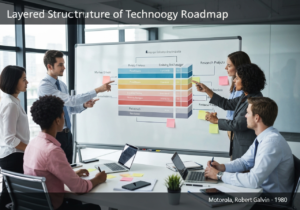
In our tech world, making a technology roadmap for product development is key. It’s like a map that guides innovation and aligns projects with your goals. Through a technology roadmap, companies see the big picture, noting important goals and how to use resources.
This helps in setting priorities and making smart choices. We will look at the best ways to make this roadmap. It’ll help your tech smoothly blend into your work for better success.
关键要点
- Technology roadmaps include various types like project plan roadmaps, product roadmaps, and platform roadmaps.
- 一个好的技术路线图应该包含SMART目标、时间表以及相应的措施。 Gantt chart关键里程碑和风险检查。
- Creating one means setting strategic goals, checking current tech, involving stakeholders, and choosing what to work on first.
- Keeping a roadmap useful needs teamwork across departments and constant updates.
What is a Technology Roadmap in Product Development?
一个 技术路线图 guides companies in using tech to reach their goals. It helps them focus on tech projects that matter, avoid wasting resources, and embrace new tech chances.
Definition and Purpose
It’s a plan that shows how a company will use technology to meet its aims. This roadmap makes tech planning easier. It aligns tech projects with company goals and investments. This clear plan improves stakeholder involvement and guides wise tech investment choices.
Types of Technology Roadmaps
There are many kinds of technology roadmaps, each with a special focus:
- 产品路线图: 这些都是短期计划,着眼于未来6到12个月。它们旨在快速适应市场和客户的变化。
- 技术路线图: 该计划涵盖1至3年,详细阐述了公司实现技术目标的步骤。这确保了资源的有效利用和技术愿景的共享。
- 平台路线图: 他们规划了关键技术平台在公司技术架构中的开发和融合。
- 应用路线图: 他们负责规划关键业务软件的生命周期和更新。
- IT系统路线图: 他们专注于CRM和ERP等大型系统规划,确保这些系统能够支持重要的业务活动。
The different roadmaps help manage tech debt by planning for updates and improvements. This keeps the tech stack stable and growable. They also link tech teams with company goals, aiding in smart tech and architecture choices.
技术路线图提供的战略调整能够使组织有效地适应新的技术趋势和市场需求。
| Type of Roadmap | Timeframe | 重点 |
|---|---|---|
| Product Roadmap | 6-12 months | Customer needs and market trends |
| Technical Roadmap | 1-3 years | Resources, skills, and technologies |
| Platform Roadmap | 多变的 | Key platform development and integration |
| Application Roadmap | 多变的 | Software lifecycle and updates |
| IT Systems Roadmap | 多变的 | Major systems and their functionality |
一份完善的技术路线图对于有效的技术规划至关重要。它支持循序渐进地实现数字化目标,无论是短期项目还是长期项目。它是公司技术架构的基石,指导公司进行技术进步和战略增长。
Assessing Current Manufacturing Plant Capabilities
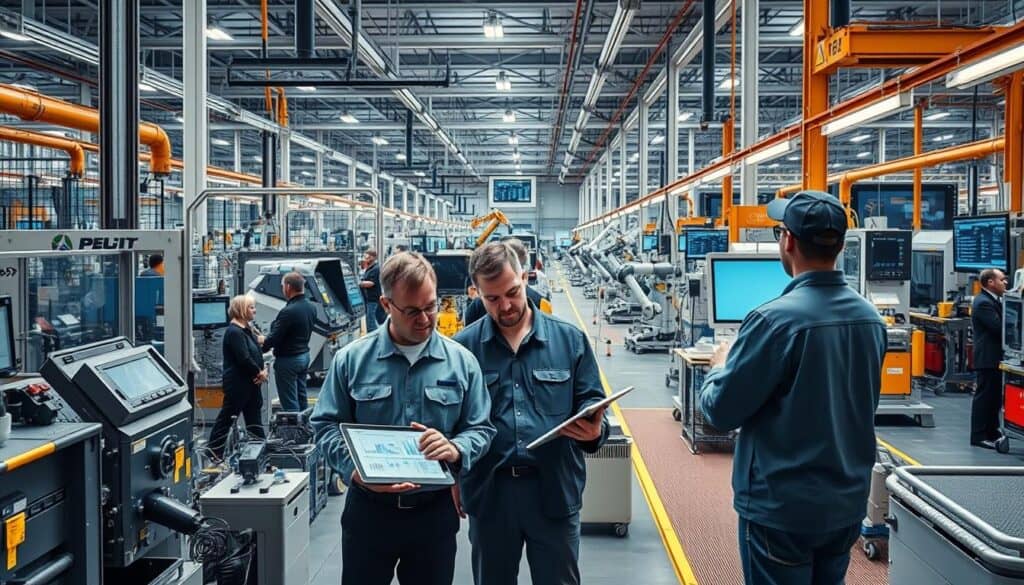
It’s vital to assess your manufacturing plant’s capabilities to prepare for future tech advancements. This involves examining your present systems and equipment. It helps pinpoint strengths and areas for improvement.
Conducting a Technology Audit
技术审计对于掌握当前的技术状况至关重要。它需要列出您的系统,检查其功能,并找出薄弱环节。德勤2023年的一份报告显示,86%的制造企业领导者认为智能工厂技术将在未来几年提升企业的竞争力。这凸显了全面技术评估的重要性,确保您的工厂为数字化转型做好准备。
Moving from a Traditional Stage of manual work to a Digital-First Stage needs strategic planning. It calls for investing in new tech and often, changing the company culture. These stages rely on continuous innovation and advanced tech like analytics, AI, and machine learning.
| 阶段 | 特征 | 示例 |
|---|---|---|
| Traditional Stage | Manual processes, traditional methods | Basic manufacturing setups |
| Emergent Stage | Starting to use digital tech | Digital inventory management, basic automation |
| Digital-First Stage | Constant innovation, advanced tech use | AI, machine learning in processes |
User Interviews and Surveys
数字化成熟度阶段的转换也取决于从用户反馈中学习。它能实时洞察技术的影响,并指出需要改进的地方。行业专家表示,数字化变革不仅仅是新技术,更是一个满足运营和用户需求的详细计划。
Defining Project and Future Manufacturing Plant Goals
In today’s world, it’s key to define your project goals and the aims of your future manufacturing plant clearly. By setting SMART goals, your projects become specific, measurable, achievable, relevant, and time-bound. These goals must align with your organization’s overall strategy.
Setting SMART Goals
Creating SMART goals means carefully looking at what your manufacturing can now do and what it will need to do. Goals need to be clear to provide a roadmap. They must include ways to measure success, be achievable, fit with the wider business aims, and have deadlines. This method ensures goals help your strategy and are practical.
Aligning with Strategic Objectives
Aligning with strategic objectives is crucial for turning plans into real results. By matching your goals with the business’s main aims, your efforts are more united. This makes departments work better together, helps use resources well, and tackles key areas like keeping the business going, making processes automatic, and updating systems.
Setting project goals in line with strategy helps manage changes and surprises. It makes your organization more flexible and strong.
| Key Areas | Objectives |
|---|---|
| Strategy and Systems Assessment | Align business and system goals, support growth or cost reduction |
| 网络安全 | Ensure data protection and business continuity |
| Business Continuity | Maintain operations during disruptions, market pivots |
| Process Automation and Improvement | Increase efficiency, reduce operational costs |
Investing Resources in Research rather than in Current Development
Putting money into research and current development keeps companies ahead. They must manage resources well. This means balancing new ideas with improving what they already have. A crucial part of this is investing smartly in technology. Funds should go to projects with great promise.

Balancing Innovation and Improvement
Managing resources well means finding a middle ground. It’s about funding tech that’s cutting-edge and improves existing processes. Take the infrastructure bill as an example. It put $9.5 billion into clean hydrogen and $10 billion into 碳捕获. These projects mix new tech with upgrades, showing a strategic approach to innovation.
Resource Allocation
Deciding which projects get money is key in planning tech investments. It’s about judging their potential payoff and how important they are. For instance, $12 billion is going towards advanced nuclear reactors. Also, the National Science Foundation will get $3.5 billion for research and upgrades. Allocating resources this way helps companies grow sustainably.
Dealing with challenges like shifting goals and focusing too much on resources can be improved. It requires an integrated tech roadmap. This starts with setup and is followed by refinement. Here, managers choose priorities that fit the company’s strategy. They also check if they have everything needed to succeed. This organized strategy in managing resources can spark efficient, impactful innovations.
Creating a Technology Planning Framework
Building a strong technology planning framework is key for success. It helps align tech efforts with the goals of the organization. At the same time, it ensures resources are used well and stakeholders stay involved.
Key Components
A good planning framework has clear goals, and identifies needs for resources and training. Goals must be SMART: specific, measurable, achievable, relevant, and time-bound. This makes sure everyone knows the purpose behind tech projects.
Identifying new system capabilities and noting potential risks are critical steps. This complete view helps predict challenges and improve efficiency. It aids in boosting productivity across various departments.
最佳实践
Following best practices for roadmap creation is vital for a strong technology framework. It’s important to include different teams in making the roadmap. Such collaboration sparks innovation and links tech strategies to business goals.
 It keeps communication clear and ensures everyone is on the same page. Laying out a release schedule, prioritizing tasks, and setting a timeline are key for success.
| 好处 | 描述 |
|---|---|
| Clear Direction | Provides a strategic framework for guiding technology initiatives, enhancing business processes. |
| Resource Allocation | Enables effective allocation of resources by prioritizing projects based on impact and feasibility. |
| Risk Mitigation | Outlines potential risks and dependencies, facilitating proactive management and risk mitigation. |
| Stakeholder Engagement | Encourages input and buy-in from cross-functional teams, fostering collaboration and alignment. |
| Evaluation and Adaptation | Utilizes performance metrics for continuous evaluation and adaptation of the roadmap. |
Stakeholder Engagement and Collaboration
Effective stakeholder engagement is key for tech roadmap development. It involves different groups like top bosses, IT experts, and users. This means everyone understands the plans and feels they have a part in them.
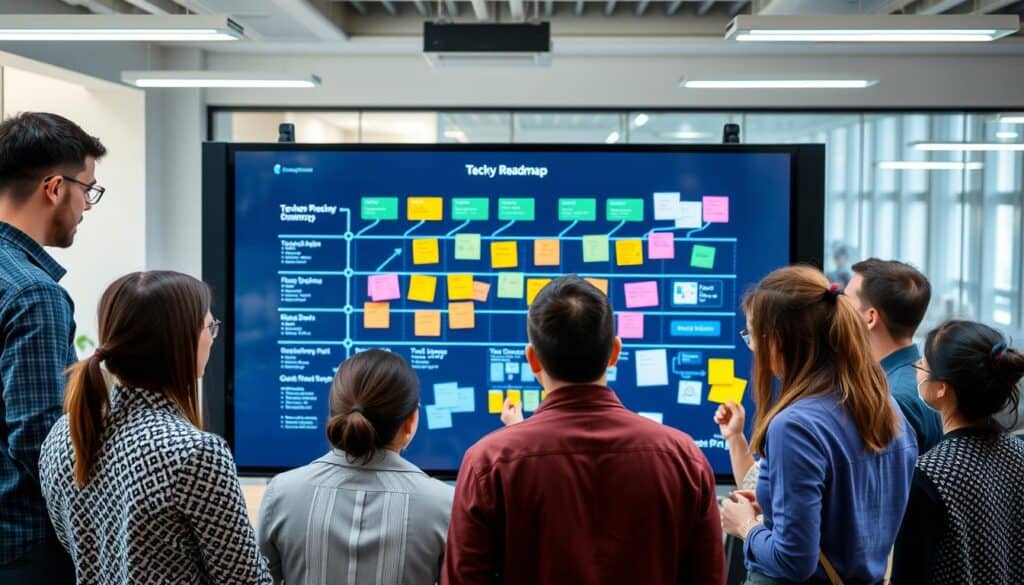
A good technology roadmap is like a guide. It shows what needs to be done and why, in line with the company’s goals. It talks about the tech we have, our aims, plans, progress, resources, challenges, and timelines. This way, everyone involved knows what’s expected and works together well.
Asking for ideas from the team helps make the roadmap suit their needs. This makes the plan better and more likely to succeed in bringing change.
| Benefits of stakeholder engagement | 细节 |
|---|---|
| Alignment with Business Objectives | Ensures technology initiatives are in line with strategic goals. |
| Enhanced Collaboration | Facilitates input from diverse teams for a more comprehensive roadmap. |
| Resource Efficiency | Promotes optimal allocation of resources and minimizes duplicate efforts. |
| Improved Communication | Ensures all stakeholders are aware of their roles and the roadmap’s direction. |
It’s vital to share the tech roadmap with everyone involved. Break down the goals so they’re clear and measurable. Use KPIs to see how things are going. Tech roadmaps are crucial for meeting the company’s big picture goals, making sure tech investments help us reach our vision.
Developing a Timeline for Implementation
Creating a realistic timeline is key to a successful technology plan. It’s important to look at several factors to make a good timeline. This includes checking resource availability, market trends, and what the organization needs.
Factors to Consider
When making a timeline, you need to think about:
- Resource Availability: It’s critical to know what human, financial, and tech resources are available to meet deadlines.
- Market Conditions: Understanding current and upcoming market trends can help adjust the timeline to grab opportunities and avoid risks.
- Organizational Priorities: The timeline should match the organization’s goals to ensure the tech plan helps the business.
Using Gantt Charts
Gantt charts are great for showing the project schedule. They make it easy to see project steps and how they depend on each other. Here’s why Gantt charts are helpful:
| 好处 | 细节 |
|---|---|
| Clear Visualization | Gantt charts show the project timeline clearly, helping everyone understand key moments and how tasks are linked. |
| Enhanced Communication | With Gantt charts, teams can share the project schedule clearly, making sure all understand the plan. |
| Realistic Scheduling | Gantt charts allow for making schedules that really fit with available resources and timelines, avoiding impossible deadlines. |
Using Gantt charts helps in planning and managing tech projects better. They support a more organized and clear way of working. This approach minimizes problems and supports steady progress and growth.
Prioritizing Technology Initiatives
It’s key to get technology initiatives in order for a great tech roadmap. We’ll look at how to weigh both the impact and the effort needed. We’ll also consider the risks. Picking the right projects to start with helps make sure we’re going for the ones that help most.
Impact vs. Effort
It’s crucial to match each initiative’s impact with the effort it requires. We need to see how these efforts help achieve business goals and better the tech setup.
- High Impact, Low Effort: these projects are top priority. They offer big benefits for little input.
- High Impact, High Effort: these need more resources but are worth it for their alignment with company goals.
- Low Impact, Low Effort: these can wait or be scheduled for later.
- Low Impact, High Effort: requires lots of work for minimal returns. Think carefully before committing resources here.
风险评估
Assessing risks along with impact and effort is key. Understanding potential hurdles lets us plan how to overcome them. This way, we can keep projects on track and aim for success.
| Risk Factor | 描述 | Mitigation Strategy |
|---|---|---|
| Technical Challenges | Potential technical hurdles that could delay implementation. | Thorough testing and flexible project plans. |
| Resource Constraints | Limited human or financial resources to execute the project. | Effective resource allocation and continuous monitoring. |
| Market Changes | Shifts in market conditions that affect project relevance. | Dynamic and responsive roadmap adjustments. |
Using these methods for picking initiatives and managing risks helps shape doable tech roadmaps. It tackles IT problems while improving the tech setup for success in both strategy and operation.
Monitoring and Adapting the Technology Roadmap
Keeping a technology roadmap up to date is crucial for success. Using project tracking tools is key. These tools give teams immediate updates. This lets them change the roadmap quickly as needed.
Project Tracking Tools
Tools like Jira, Asana, or Trello are great for watching technology projects closely. They make it easy to update everyone on progress. And they help make sure tasks are clearly assigned.
They come with Gantt charts and can track milestones. This keeps teams focused on near and far-off goals.
| Timeframe | 描述 |
|---|---|
| Short-term | Projects planned for the next few months to a year. |
| Medium-term | Initiatives scheduled for one to three years. |
| Long-term | Tech initiatives spanning beyond three years. |
Adjusting for Changes
Being able to adapt is key in adaptive planning. Technology and business change fast. So, technology roadmaps need regular updates. Using project tracking tools helps teams shift things like resources and goals with ease.
Teams should check on milestones and possible risks often. It’s also smart to keep talking to stakeholders. This way, the roadmap stays relevant and useful.
Summary of Technology Roadmap Best Practices
To create a successful technology roadmap, focusing on technology planning excellence is key. Organizations should follow key best practices to build an effective roadmap strategy.
Setting clear goals is crucial. It’s important to outline goals, timelines, key milestones, and performance metrics. By matching these goals with business objectives, firms can link their vision to practical plans in the roadmap.
Starting with a detailed current state assessment helps identify tech needs. This includes looking at current systems, processes, and tech setups. Engaging stakeholders through interviews and surveys adds valuable insights.
Being flexible in planning is vital. Roadmaps should list projects by importance, urgency, and doability. It’s essential to think about using money, people, and tech wisely. Including strategies for handling risks, like laying out plans for problems and monitoring, is also key.
Employing strong tools like Jira makes managing the roadmap easier. These tools help by providing visual guides, focusing on objectives, and allowing for quick changes. Also, updating the roadmap regularly keeps it current with new trends or needs.
| Element | 描述 |
|---|---|
| Goal Setting | Defines clear objectives, timelines, milestones, and performance metrics aligned with strategic business goals. |
| Current State Assessment | Evaluates existing systems, processes, and technology stack for comprehensive understanding. |
| Stakeholder Engagement | Gathers input through interviews, workshops, surveys, and questionnaires for a well-rounded perspective. |
| Resource Allocation | Consideration of financial, human, and technological resources for project implementation. |
| 风险管理 | Includes risk identification, mitigation strategies, contingency planning, and performance monitoring. |
| Project Tracking Tools | Utilizes tools like Jira for visual roadmaps, real-time visibility, and agile planning. |
| Regular Reviews and Updates | Ensures the roadmap remains dynamic and responsive to changing business needs. |
Following these best practices helps companies build a strong technology planning excellence. This leads to smarter tech investments and uses.
结论
In our fast-paced tech world, having a good technology roadmap is key. It helps plan out our tech needs in line with the best standards. This plan makes sure we use our resources well, boosting our work and new ideas.
Creating this roadmap starts with a detailed tech check and setting clear, smart goals. Each step is vital for bringing in new tech smoothly. It helps everyone understand why we’re spending on new tech. This unity is key for getting the support needed to meet our goals.
With set timelines and costs, companies can plan better. This makes sure everyone moves together in a well-thought-out way towards tech changes.
Tech roadmaps look at the big and small picture, making them useful on many levels. Keeping them up-to-date lets companies stay on track with their tech and business plans. It leads to smarter choices and lets everyone do their best, pushing growth and new ideas.
补充阅读材料及方法
- 战略规划: SWOT Analysis (Strengths, Weaknesses, Opportunities, Threats), Scenario Planning
- Change management: Kotter’s 8-Step Process, ADKAR Model
- 市场分析: PESTLE分析,波特五力模型
- Product Lifecycle Management (PLM): 阶段式流程、精益产品开发
- 商业模式创新: 商业模式画布 价值主张 设计
- 数字化转型: 数字成熟度模型、云计算集成
- 趋势分析: PEST分析(政治、经济、社会、技术)
常问问题
What is a technology roadmap in product development?
A technology roadmap is a strategic plan that uses tech to meet business goals. It spots tech opportunities while preventing wasted resources. This keeps companies agile and focused.
What types of technology roadmaps exist?
Many types of technology roadmaps are used, such as project plan and product roadmaps. Others include platform, technical, and application roadmaps. Each type has a special focus to help industries and companies succeed.
How does one conduct a technology audit?
To do a technology audit, start with a list of your tech systems. Check what they do well and what they don’t. This helps you know what tech you have and plan tech improvements.
Why are user interviews and surveys important in tech audits?
User interviews and surveys give feedback directly from end-users. They highlight how technology performs and where it can get better. This makes sure your tech plans are on the right track.
How should resources be allocated between innovation and current development?
Balancing resources means looking at what your operations need now and what innovations could bring. Choose projects that offer both value and align with your strategy. This way, you support existing services while exploring new ideas.
What are the key components of a technology planning framework?
一个完善的技术规划框架应包含清晰的里程碑、资源计划和成功衡量标准。此外,与不同领域的团队合作,获取各种想法和支持也至关重要。
How can stakeholder engagement be ensured in tech roadmap development?
To get everyone involved in tech planning, hold workshops and interviews. Work together. This approach builds a shared commitment and ensures the tech roadmap works for everyone.
How can technology initiatives be prioritized?
Deciding what tech to focus on means looking at how much effort something needs versus its potential benefits. Identifying risks up front helps you tackle challenges early on.
How important is ongoing monitoring in a technology roadmap?
Constantly watching how things are going with your tech roadmap is key. Using tools to track progress lets you adjust to new tech, business shifts, or changes in what customers want.
常用术语表
Conversion Rate (CR): 转化率是指网站或着陆页的访问者完成所需操作(例如购买商品或注册新闻通讯)的百分比,计算方法是将转化次数除以访问者总数。
Customer Relationship Management (CRM): 该系统用于管理公司与现有客户和潜在客户的互动,利用数据分析来改善业务关系、提高客户保留率并推动销售增长。它整合了各种沟通渠道,并实现了流程自动化,从而简化了客户互动流程。
Enterprise Resource Planning (ERP): 一种软件解决方案,将核心业务流程(包括财务、人力资源、制造和供应链)集成到统一的系统中,以简化运营、提高数据准确性并增强整个组织的决策能力。
Key Performance Indicator (KPI): 一个可衡量的值,表明组织实现关键业务目标的效率,通常用于评估实现目标的成功程度。
Product Lifecycle Management (PLM): 一种系统的方法,用于管理产品从开始到工程设计和制造、再到服务和处置的生命周期,整合人员、流程、数据和技术,以提高产品质量、缩短上市时间并加强利益相关者之间的协作。
Specific Measurable Achievable Relevant Timely (SMART): 制定明确、可量化、可实现、与更广泛的目标相一致且有时间限制的目标的框架,有助于有效规划和评估进展。