“The future belongs to those who prepare for it today.” – Malcolm X
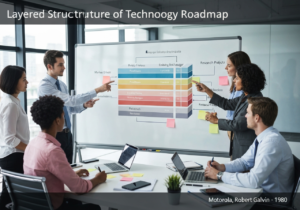
In today’s fast-paced tech world, making a technology roadmap for product development is key. It’s like a map that guides innovation and aligns projects with your goals. Through a technology roadmap, companies see the big picture, noting important goals and how to use resources.
This helps in setting priorities and making smart choices. We will look at the best ways to make this roadmap. It’ll help your tech smoothly blend into your work for better success.
Key Takeaways
- Technology roadmaps include various types like project plan roadmaps, product roadmaps, and platform roadmaps.
- A good technology roadmap has SMART goals, timelines on a Gantt chart, key milestones, and checks for risks.
- Creating one means setting strategic goals, checking current tech, involving stakeholders, and choosing what to work on first.
- Keeping a roadmap useful needs teamwork across departments and constant updates.
What is a Technology Roadmap in Product Development?
A technology roadmap guides companies in using tech to reach their goals. It helps them focus on tech projects that matter, avoid wasting resources, and embrace new tech chances.
Definition and Purpose
It’s a plan that shows how a company will use technology to meet its aims. This roadmap makes tech planning easier. It aligns tech projects with company goals and investments. This clear plan improves stakeholder involvement and guides wise tech investment choices.
Types of Technology Roadmaps
There are many kinds of technology roadmaps, each with a special focus:
- Product roadmaps: these are short-term, looking ahead 6 to 12 months. They aim to quickly adapt to market and customer changes.
- Technical roadmaps: covering 1 to 3 years, they detail steps to reach the company’s tech goals. This ensures good use of resources and sharing of the tech vision.
- Platform roadmaps: they map out the development and mixing of key tech platforms into the company’s tech setup.
- Application roadmaps: they plan the life and updates of key business software.
- IT Systems roadmaps: focus on big systems planning like CRM and ERP. They make sure these support important business activities.
The different roadmaps help manage tech debt by planning for updates and improvements. This keeps the tech stack stable and growable. They also link tech teams with company goals, aiding in smart tech and architecture choices.
The strategic alignment provided by a tech roadmap enables organizations to adapt efficiently to new technological trends and market demands.
| Type of Roadmap | Timeframe | Focus |
|---|---|---|
| Product Roadmap | 6-12 months | Customer needs and market trends |
| Technical Roadmap | 1-3 years | Resources, skills, and technologies |
| Platform Roadmap | Variable | Key platform development and integration |
| Application Roadmap | Variable | Software lifecycle and updates |
| IT Systems Roadmap | Variable | Major systems and their functionality |
A solid technology roadmap is crucial for effective tech planning. It supports a step-by-step approach to digital goals, for both short and long-term projects. It’s the foundation of a company’s tech structure. It guides them through tech advances and strategic growth.
Assessing Current Manufacturing Plant Capabilities
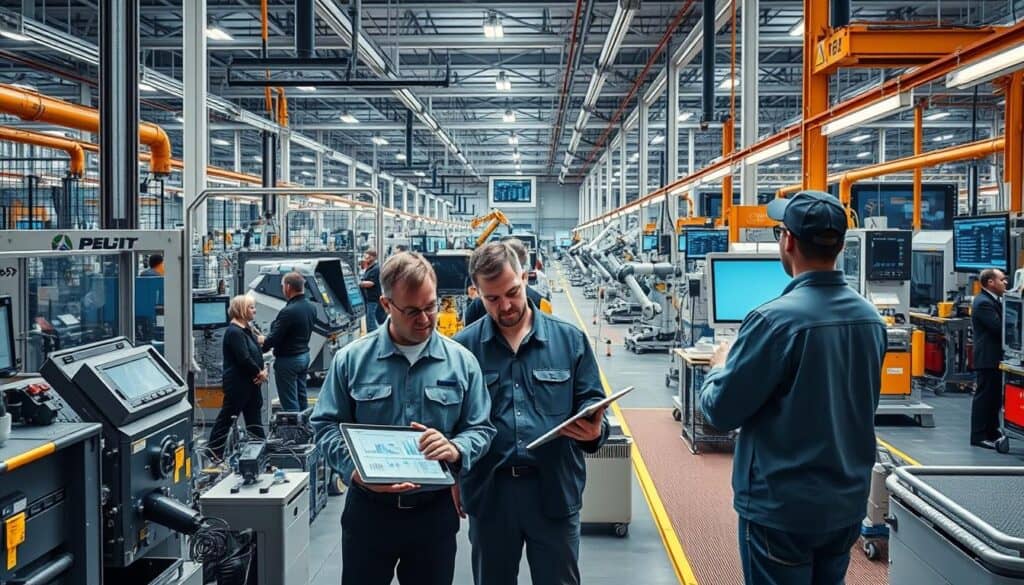
It’s vital to assess your manufacturing plant’s capabilities to prepare for future tech advancements. This involves examining your present systems and equipment. It helps pinpoint strengths and areas for improvement.
Conducting a Technology Audit
A technology audit is crucial for grasping the current state of tech. It requires listing your systems, checking their functions, and spotting weaknesses. A 2023 Deloitte report says 86% of manufacturing leaders think smart factory tech will boost competitiveness in the coming years. This shows the importance of a thorough technology assessment, making sure your plant is set for a digital makeover.
Moving from a Traditional Stage of manual work to a Digital-First Stage needs strategic planning. It calls for investing in new tech and often, changing the company culture. These stages rely on continuous innovation and advanced tech like analytics, AI, and machine learning.
| Stage | Characteristics | Examples |
|---|---|---|
| Traditional Stage | Manual processes, traditional methods | Basic manufacturing setups |
| Emergent Stage | Starting to use digital tech | Digital inventory management, basic automation |
| Digital-First Stage | Constant innovation, advanced tech use | AI, machine learning in processes |
User Interviews and Surveys
Switching between digital maturity stages also depends on learning from user feedback. It gives real-time insights into the tech’s impact and points out what needs to be better. Industry experts say digital change isn’t just about new tech. It’s about a detailed plan that meets operational and user needs.
The rest of this article is reserved for members
To limit scraping bots (currently 40,000 hits per day!),
we had to restrict access to full articles and tools to registered members only.
to access all the rest.