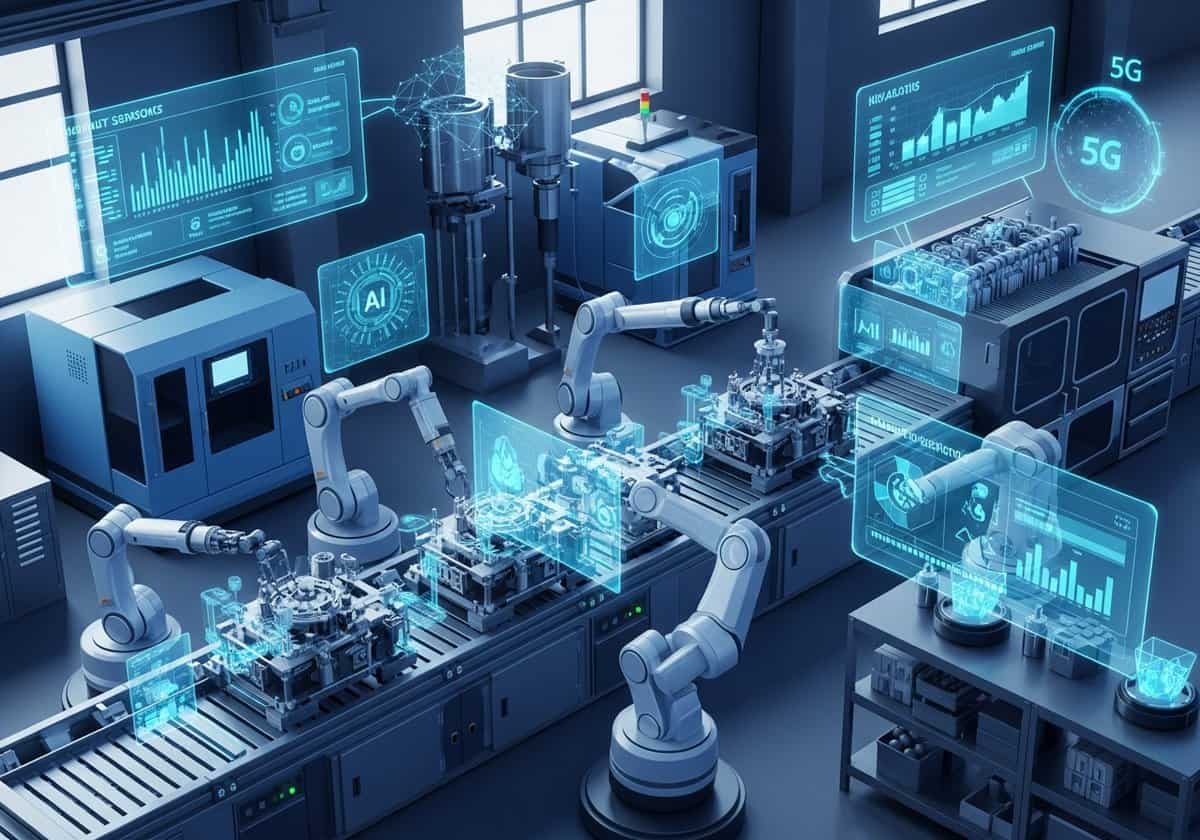
The Industrial Internet of Things (IIoT) is transforming industries by integrating advanced technologies into manufacturing and operational processes, with studies suggesting that IIoT could create $15 trillion in value by 2030 (McKinsey & Company). This article breaks down the definition and core components of IIoT, including sensors, actuators, and data analytics. You’ll discover the key differences between إنترنت الأشياء and IIoT, as well as the architecture and communication protocols that form the backbone of IIoT systems, such as MQTT and OPC UA. We will analyze the manifold benefits, including predictive maintenance and enhanced safety measures, while addressing the security challenges that arise in IIoT environments and strategies for mitigation.
النقاط الرئيسية
- يعزز إنترنت الأشياء الصناعية التصنيع التقليدي من خلال الاتصال.
- تُمكّن التنبؤات من إجراء الصيانة الاستباقية وتقليل وقت التوقف.
- تشمل البروتوكولات الرئيسية MQTT و OPC UA و DDS.
- التكامل مع الذكاء الاصطناعي وشبكات الجيل الخامس يُحدث ثورة في العمليات.
- يتطلب الأمن استراتيجيات متعددة الطبقات للتخفيف من المخاطر.
- تتنوع التطبيقات عبر مختلف الصناعات، مما يعزز الكفاءة والسلامة.
تعريف ومكونات أساسية لإنترنت الأشياء الصناعية
Industrial Internet of Things (IIoT) refers to the integration of smart sensors, devices, and machinery into industrial processes, enabling real-time data exchange and communication among equipment. It involves a network of connected devices that gather, monitor, and analyze data to optimize performance and increase efficiency. IIoT plays a big role in creating “smart factories,” where machinery communicates autonomously to streamline operations, enhance productivity, and reduce downtime significantly.
تشمل المكونات الأساسية لإنترنت الأشياء الصناعية أجهزة استشعار متطورة، ومحركات، وحلول اتصال تُسهّل جمع البيانات ونقلها. تعمل هذه المكونات عبر بروتوكولات اتصال متنوعة مثل MQTT وCoAP وHTTP، مما يسمح باتصال سلس بين الأجهزة. بالإضافة إلى ذلك، تعالج أجهزة البوابة البيانات الأولية من أجهزة الاستشعار قبل إرسالها.
حقيقة: في قطاعات مثل الطاقة، ثبت أن إنترنت الأشياء الصناعية يحسن الكفاءة التشغيلية بنسبة تصل إلى 25٪.
الاختلافات الرئيسية بين إنترنت الأشياء (IoT) وإنترنت الأشياء الصناعية (IIoT)
يركز إنترنت الأشياء (IoT) بشكل أساسي على ربط الأجهزة الاستهلاكية، مثل منظمات الحرارة الذكية والأجهزة القابلة للارتداء وأدوات المنزل الذكية. تُستخدم هذه الأجهزة عمومًا لتعزيز راحة المستخدم وكفاءته في الأنشطة اليومية. أما إنترنت الأشياء الصناعي (IIoT)، فيتمحور حول التطبيقات الصناعية، مثل آلات التصنيع ولوجستيات سلسلة التوريد، بهدف تحسين الأداء التشغيلي، وتعزيز السلامة، وزيادة الموثوقية في البيئات الصناعية.
Another differentiating factor lies in the scale and complexity of the systems involved. IoT solutions often address smaller networks of devices, which require straightforward integration and user interfaces. In contrast, IIoT involves large-scale systems within an industrial framework. These systems require advanced integration capabilities to manage complex data flows, interoperability among legacy machines, and seamless communication between various stakeholders, including suppliers, manufacturers, and service providers.
تختلف متطلبات الأمان اختلافاً كبيراً بين المجالين:
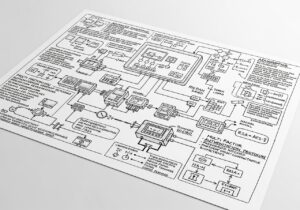
- قد تعطي إنترنت الأشياء الاستهلاكية الأولوية تجربة المستخدم والراحة،
- لقد زادت الحاجة إلى الأمن في إنترنت الأشياء الصناعية (IIoT) نظرًا للعواقب المحتملة للهجمات الإلكترونية على البنية التحتية الحيوية. فوصول المتسللين إلى نظام تحكم صناعي قد يعطل العمليات أو يتسبب في أضرار مادية. ونتيجة لذلك، غالبًا ما تطبق أنظمة إنترنت الأشياء الصناعية بروتوكولات أمنية صارمة، بما في ذلك بروتوكولات متقدمة. التشفير الأساليب والمصادقة متعددة العوامل، لحماية البيانات الحساسة من الوصول غير المصرح به.
صُممت أنظمة إنترنت الأشياء الصناعية (IIoT) أيضاً لضمان موثوقية عالية وتوافر مستمر، وهو ما قد يُغفل عنه غالباً في أجهزة إنترنت الأشياء الموجهة للمستهلكين. تتطلب التطبيقات الصناعية عادةً تشغيلاً متواصلاً، ولذلك، صُممت حلول إنترنت الأشياء الصناعية لتقليل وقت التوقف إلى أدنى حد من خلال الصيانة التنبؤية والكشف الفوري عن الأعطال.
يمكن أن يؤدي تطبيق الصيانة التنبؤية في البيئات الصناعية إلى خفض تكاليف الصيانة بنسبة تتراوح بين 25% و30% مع زيادة توافر المعدات بنسبة تصل إلى 20%.
فيما يتعلق بإدارة البيانات، يركز إنترنت الأشياء الصناعي (IIoT) على استخدام تحليلات البيانات الضخمة، مما يُمكّن المؤسسات من فرز كميات هائلة من بيانات المستشعرات لاستخلاص رؤى قابلة للتنفيذ. أما إنترنت الأشياء الاستهلاكي (Customer IoT)، فرغم اعتماده على البيانات أيضاً، إلا أنه قد يعتمد على تحليلات أبسط.
| Concept | IoT (Internet of Things) | IIoT (Industrial Internet of Things) |
|---|---|---|
| ركز | Connecting consumer devices (e.g., smart thermostats, wearables) | Industrial applications (e.g., manufacturing machines, supply chain logistics) |
| Primary Goals | Enhance user convenience and efficiency | Optimize operational performance, improve safety, increase reliability |
| Scale and Complexity | Smaller networks of devices, straightforward integration | Large-scale systems, advanced integration capabilities |
| Data Management | Simpler analytics | Big data analytics for actionable insights |
| Security Requirements | Prioritizes user experience and convenience | Heightened security needs with stringent protocols (e.g., encryption, multi-factor authentication) |
| Reliability and Availability | Less emphasis on continuous operation | Designed for high reliability and continuous operation, predictive maintenance |
| Productivity Impact | Not specifically mentioned | Can boost productivity levels by up to 30% |
| إدارة التكاليف | Not specifically mentioned | Predictive maintenance can reduce maintenance costs by 25% to 30% |
IIoT Architecture and Communication Protocols
The architecture of the Industrial Internet of Things (IIoT) can be broadly categorized into several layers, including the Edge Layer, Communication Layer, and Cloud Layer. In the Edge Layer, devices such as sensors and actuators collect data directly from manufacturing equipment or operational environments.
These devices may operate using low-power technologies like LoRaWAN or Zigbee. The Communication Layer facilitates data transmission between the edge devices and the cloud or on-premise servers, primarily through protocols such as MQTT, CoAP, and HTTP. This layered approach allows for effective data management and scaling as system requirements evolve.
| IoT (Internet of Things) | IIoT (Industrial Internet of Things) | |
|---|---|---|
| Data Volume | Typically lower data volume, focusing on individual consumer devices. | High data volume, involving numerous sensors and devices within industrial environments. |
| Protocols | HTTP, MQTT, CoAP, WebSocket. | OPC UA, MQTT, DDS, Profinet. |
Data generated in IIoT environments can be voluminous and complex. Utilizing protocols like OPC UA (Open Platform Communications Unified Architecture) enables interoperability among industrial systems. OPC UA allows devices from various manufacturers to communicate seamlessly, enhancing operational efficiency.
| Protocol | حالة الاستخدام | المزايا |
|---|---|---|
| MQTT | Messaging for low-bandwidth devices | Lightweight, efficient |
| OPC UA | Device interoperability | Standardized, secure |
| HTTP | Web services | इंटरपोलेशन एक सीएनसी कंट्रोलर के भीतर की जाने वाली गणना प्रक्रिया है जो प्रोग्राम किए गए अंतिम बिंदुओं के बीच एक सुगम पथ बनाने के लिए मध्यवर्ती निर्देशांक बिंदुओं का एक क्रम उत्पन्न करती है। इसके सबसे मूलभूत प्रकार हैं सीधी रेखाओं के लिए रैखिक इंटरपोलेशन (G01) और चापों के लिए वृत्ताकार इंटरपोलेशन (G02/G03)। यह जी-कोड प्रोग्राम में सरल ज्यामितीय आदेशों से जटिल प्रोफाइल की मशीनिंग करने की अनुमति देता है। |
نصيحة: Implementing a hybrid architecture combining edge and cloud computing can significantly enhance both data processing speed and system resilience.
Benefits and Impact of IIoT on Industries
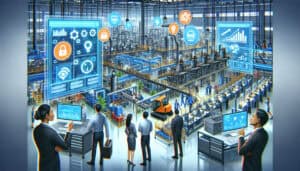
The integration of the Industrial Internet of Things (IIoT) into various industries has قاد to significant improvements in operational efficiency and productivity. By connecting machines and devices, manufacturers experience enhanced real-time monitoring and analytics, which result in better decision-making. This reduction directly correlates with increased production capacity and reduced operational costs, showing a clear pathway toward a more streamlined manufacturing process.
IIoT enhances asset management by enabling predictive maintenance strategies. Companies can track equipment performance and predict failures before they occur, thus minimizing unexpected downtime. A report by McKinsey highlighted that predictive maintenance can reduce maintenance costs by up to 25% and increase equipment عمر by 30%. This shift to proactive maintenance not only lowers costs but also ensures a more reliable operational environment.
The impact on energy and utilities sectors is tangible, particularly through smart grids that optimize energy consumption and distribution. These grids can reduce energy waste by approximately 10-15% through improved demand-response mechanisms. Additionally, organizations can better manage resources and anticipate peak loads. Below is a comparison of metrics before and after implementing IIoT in various sectors:
| قطاع | Metric Before IIoT | Metric After IIoT |
|---|---|---|
| تصنيع | 20% downtime | 10% downtime |
| Utilities | 10% energy waste | 5% energy waste |
نصيحة: utilizing edge computing alongside IIoT enhances data processing speeds and reduces latency, improving real-time analytics capabilities.
Security Challenges and Mitigation Strategies in IIoT

Security vulnerabilities in Industrial Internet of Things (IIoT) systems stem from a mix of interconnected devices, proprietary software, and outdated infrastructure. Data breaches can occur through insecure endpoints or during data transmission. For instance, a report indicated that 60% of IIoT devices have known vulnerabilities, making them prime targets for cyberattacks. Manufacturers must implement security measures like multi-factor authentication and encrypted communication protocols to safeguard sensitive data and maintain operational integrity.
A significant challenge in the IIoT ecosystem is the current lack of standardized security protocols across varied devices and networks.
Manufacturers need to adopt a security-by-design approach, which includes regular security assessments and updates for devices and systems.
نصيحة: regular employee training on security awareness can significantly mitigate human error, a major contributor to security breaches. A survey found that 95% of الأمن السيبراني incidents are due to human mistakes. Moreover, leveraging automated monitoring tools can help detect anomalies in network traffic, providing a real-time defense mechanism against potential threats.
Integration of IIoT with Emerging Technologies
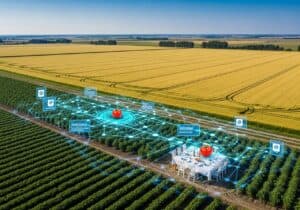
Integrating Artificial Intelligence (AI) with the Industrial Internet of Things (IIoT) significantly enhances predictive analytics and machine learning capabilities. Manufacturing plants employing AI-powered IIoT systems can analyze vast amounts of operational data. AI algorithms can dissect patterns and anomalies in the data collected from machinery, enhancing efficiency in processes such as quality control and equipment monitoring.
The convergence of IIoT with تقنية البلوك تشين technology ensures enhanced data integrity and security in supply chain management. By using decentralized ledgers, organizations can create immutable records of transactions that enhance traceability.
Companies like IBM have successfully implemented blockchain in agriculture for tracking the journey of food products from farm to table, thus ensuring authenticity and safety. The integration of these technologies results in a more transparent and trustworthy food supply chain.
نصائح: when integrating emerging technologies with IIoT, consider employing API gateways to facilitate seamless communication between devices and applications. This approach enhances interoperability and fosters innovation within the system.
Prioritize Security: implement a multi-layered security approach, including network segmentation, encryption, and regular security audits to protect sensitive data and devices.
Design for Scalability: before implementing, ensure that your IIoT system can easily scale to accommodate new devices and increased data flow without major redesigns.
خاتمة
As industries stand on the brink of a technological revolution, the Industrial Internet of Things (IIoT) plays a big role in redefining operational capabilities and efficiencies. By integrating devices that communicate and analyze data in real-time, companies are not only enhancing productivity but also creating new avenues for growth and innovation. The projected creation of $15 trillion in value by 2030 underscores the transformative impact IIoT will have across sectors.
التعليمات
ما هي المكونات الأساسية لإنترنت الأشياء الصناعية (IIoT)؟
تشمل المكونات الأساسية لإنترنت الأشياء الصناعية أجهزة الاستشعار التي تجمع البيانات، والمشغلات التي تتحكم في الأنظمة المادية، والاتصال لنقل البيانات، وتحليلات البيانات للحصول على رؤى، والحوسبة السحابية أو الحوسبة الطرفية للتخزين والمعالجة.
ما هي الاختلافات الرئيسية بين إنترنت الأشياء (IoT) وإنترنت الأشياء الصناعية (IIoT)؟
يركز إنترنت الأشياء بشكل أساسي على التطبيقات الاستهلاكية مثل المنازل الذكية، بينما يستهدف إنترنت الأشياء الصناعي العمليات الصناعية. ويؤكد إنترنت الأشياء الصناعي على الموثوقية والأمان وتحليلات البيانات في الوقت الفعلي لتعزيز الكفاءة في بيئات التصنيع والإنتاج.
ما هي بنية إنترنت الأشياء الصناعية النموذجية وبروتوكولات الاتصال الخاصة بها؟
تتضمن بنية إنترنت الأشياء الصناعية عمومًا طبقات مثل طبقات الجهاز، والحافة، والبيانات، والتطبيقات. ومن بروتوكولات الاتصال الشائعة الاستخدام MQTT للمراسلة الخفيفة، وOPC UA للتوافق الصناعي، وDDS للاتصالات التي تركز على البيانات.
ما هي الفوائد الرئيسية لتطبيق إنترنت الأشياء الصناعية في الصناعات؟
تشمل فوائد إنترنت الأشياء الصناعية الصيانة التنبؤية لتقليل وقت التوقف، وزيادة الكفاءة التشغيلية من خلال المراقبة في الوقت الفعلي، وبروتوكولات السلامة المحسنة، وتطوير نماذج أعمال جديدة لتوليد الإيرادات.
ما هي التحديات الأمنية المرتبطة ببيئات إنترنت الأشياء الصناعية؟
تواجه بيئات إنترنت الأشياء الصناعية تحديات أمنية مثل اختراقات البيانات، والوصول غير المصرح به، وثغرات الأجهزة. وتشمل استراتيجيات التخفيف من هذه التحديات تطبيق تشفير قوي، وتحديثات منتظمة للبرامج، ومصادقة متعددة العوامل.
هل يمكنك تقديم أمثلة واقعية لاستخدام إنترنت الأشياء الصناعية في مختلف الصناعات؟
In manufacturing, IIoT is used for predictive maintenance and asset management. In agriculture, it enables precision farming and automated irrigation. Transportation examples include fleet management and supply chain optimization, while in healthcare, IIoT aids equipment management.
كيف يتم دمج إنترنت الأشياء الصناعية مع التقنيات الناشئة؟
IIoT integrates closely with AI/ML for data analytics, digital twins for real-time simulation, and 5G for high-speed connectivity, enhancing capabilities across smart factories and various operational processes.
مواضيع ذات صلة
- التوأم الرقمي تكنولوجيا: تمثيل افتراضي للأصول المادية أو الأنظمة المستخدمة في التحليل والمحاكاة.
- الحوسبة الطرفية: معالجة البيانات بالقرب من المصدر لتقليل زمن الاستجابة واستخدام النطاق الترددي.
- Interoperability Standards: أطر عمل تضمن قدرة الأجهزة والأنظمة المختلفة على العمل معًا بسلاسة.
- التصنيع الذكي: نهج يدمج إنترنت الأشياء الصناعية لزيادة الكفاءة والمرونة في عمليات الإنتاج.
- المراقبة عن بعد: مراقبة وإدارة المعدات عن بعد باستخدام تقنيات إنترنت الأشياء الصناعية.
- التحليلات التنبؤية: استخدام الخوارزميات الإحصائية وتقنيات التعلم الآلي لتحديد المخاطر والفرص من البيانات.
- تكامل سلسلة التوريد: ربط العناصر المختلفة لسلسلة التوريد باستخدام إنترنت الأشياء الصناعية لتحسين الشفافية والكفاءة.
- Automation and Robotics: employing robotic systems in conjunction with IIoT to enhance operational performance.
- الشبكات المرنة: إنشاء شبكات اتصالات قادرة على تحمل الأعطال مع الحفاظ على وظائفها.
- معالجة البيانات في الوقت الفعلي: معالجة البيانات وتحليلها فور توليدها للحصول على رؤى فورية واتخاذ إجراءات فورية.
- تمكين القوى العاملة: دمج حلول إنترنت الأشياء الصناعية التي تزود العمال بمعلومات ورؤى في الوقت الفعلي لتعزيز الإنتاجية.
- Data Visualization Tools: برنامج يحول مجموعات البيانات المعقدة إلى تنسيقات مرئية لتسهيل تفسيرها وتحليلها.
- Cybersecurity Frameworks: استراتيجيات مصممة لحماية أنظمة إنترنت الأشياء الصناعية من التهديدات والثغرات الإلكترونية.
External Links on Industrial Internet Of Things (IIoT)
المعايير الدولية
(حرك الرابط لرؤية وصفنا للمحتوى)
مسرد المصطلحات المستخدمة
Application Programming Interface (API): مجموعة من القواعد والبروتوكولات التي تسمح لتطبيقات البرامج المختلفة بالتواصل والتفاعل مع بعضها البعض، مما يتيح تكامل الوظائف وتبادل البيانات بين الأنظمة.
Certificate of Analysis (CoA): وثيقة صادرة عن الشركة المصنعة أو مختبر الاختبار تؤكد مواصفات المنتج وجودته وامتثاله للمعايير التنظيمية، وتفصل نتائج الاختبار والطرق المستخدمة للتحليل.
Hypertext Transfer Protocol (HTTP): بروتوكول يُستخدم لنقل النصوص التشعبية عبر الإنترنت، مما يُمكّن الاتصال بين متصفحات الويب والخوادم. وهو يُحدد تنسيقات الطلبات والاستجابات، مما يُسهّل استرجاع موارد الويب مثل مستندات HTML والصور والوسائط الأخرى.
Industrial Internet of Things (IIoT): شبكة من الأجهزة والمستشعرات المترابطة في البيئات الصناعية تعمل على جمع البيانات وتبادلها وتحليلها لتعزيز الكفاءة التشغيلية وتحسين عملية اتخاذ القرار وتمكين الأتمتة في التصنيع وسلسلة التوريد وغيرها من العمليات الصناعية.
Internet of Things (IoT): شبكة من الأجهزة المترابطة والمدمجة بأجهزة استشعار وبرامج وتقنيات أخرى تمكنها من جمع البيانات وتبادلها عبر الإنترنت، مما يسهل أتمتة ومراقبة والتحكم في العمليات والأنظمة المختلفة.
Multi-Factor Authentication (MFA): عملية أمنية تتطلب طريقتي تحقق أو أكثر من فئات بيانات اعتماد مستقلة لمصادقة المستخدم، مما يعزز الحماية من الوصول غير المصرح به. تشمل العوامل المشتركة ما يعرفه المستخدم أو يمتلكه أو هو عليه.
Optical Proximity Correction (OPC): تقنية تحسين الطباعة الحجرية التي تعدل أنماط القناع للتعويض عن التشوهات البصرية أثناء تصنيع أشباه الموصلات، مما يحسن دقة الميزات على رقائق السيليكون عن طريق ضبط أشكال وأحجام الميزات لتحقيق الأبعاد المطلوبة بعد التعريض والتظهير.
User experience (UX): الرضا العام والإدراك لدى المستخدم عند التفاعل مع منتج أو نظام أو خدمة، بما في ذلك قابلية الاستخدام وإمكانية الوصول والتصميم والاستجابة العاطفية طوال عملية التفاعل بأكملها.
User Interface (UI): نظام يتيح التفاعل بين المستخدمين وتطبيقات البرامج، ويشمل عناصر مرئية، وأدوات تحكم، وتخطيطًا عامًا لتسهيل مهام المستخدم وتحسين التجربة.
Wide Area Network (WAN): شبكة اتصالات تمتد على مساحة جغرافية واسعة، تربط بين شبكات محلية متعددة (LANs) وتتيح نقل البيانات عبر المدن أو البلدان أو القارات، وعادة ما تستخدم خطوط اتصالات مستأجرة أو روابط عبر الأقمار الصناعية.